How to Transplant Rocky mountain pussytoes?
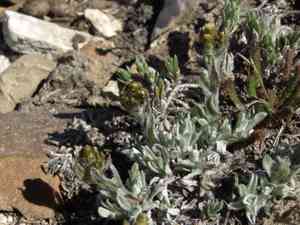
Rocky mountain pussytoes flourishes when relocated in warmer conditions, preferably from mid-to-late spring or early summer. Choose a site that receives ample sunlight and possesses soil with good drainage. If necessary, provide moderate watering to aid the plant in becoming firmly rooted.
What Preparations are Needed Before Transplanting Rocky Mountain Pussytoes?
What is the Ideal Time for Transplanting Rocky Mountain Pussytoes?
The best time to move rocky mountain pussytoes, a perennial, is from mid-spring to early summer. This timing ensures the ground is adequately warm and boosts the plant's survival rate. Relocating during these seasons allows rocky mountain pussytoes to establish roots effectively before summer heat, encouraging strong development and resilience.
How Much Space Should You Leave Between Rocky Mountain Pussytoes Plants?
When relocating rocky mountain pussytoes, ensure they are spaced approximately 6-12 inches (15-30 cm) apart. This provides each plant with sufficient room to grow without competing for resources.
What is the Best Soil Mix for Rocky Mountain Pussytoes Transplanting?
For rocky mountain pussytoes, prepare soil that drains well and is rich in organic matter. You can incorporate compost or a balanced, slow-release fertilizer to supply nutrients. Ensure the soil is loose and can easily shed excess water to prevent root decay.
Where Should You Relocate Your Rocky Mountain Pussytoes?
Position rocky mountain pussytoes in a spot that receives full sun to partial shade. Ideally, the location should get at least 6 hours of daily sunlight. This ensures the plant receives enough light to flourish and grow healthily.
What Equipments Should You Prepare Before Transplantation Rocky Mountain Pussytoes?
Gardening Gloves
To safeguard your hands while handling soil and the plant.
Shovel or Spade
For excavating around the plant and creating a new planting hole.
Hand Trowel
Useful for more precise digging tasks and working near the roots.
Watering Can or Hose
To hydrate the plant before and after its relocation.
Soil Knife or Garden Fork
For carefully extracting the plant from pots or seedling trays without harming the roots.
Bucket or Wheelbarrow
For moving the plant from its original spot to the new site.
Mulch
To help retain moisture and shield the roots post-transplant.
How Do You Remove Rocky Mountain Pussytoes from the Soil?
How Do You Remove Rocky Mountain Pussytoes from the Soil?
From Ground: First, moisten the rocky mountain pussytoes plant to soften the soil. Then, dig a wide trench around the plant using a shovel or spade, ensuring the plant's root ball remains intact. Carefully work the spade beneath the root ball to lift the plant from its original location.From Pot: Gently water the rocky mountain pussytoes plant to loosen the soil. Tilt the pot and tap its sides and bottom. Using a soil knife or garden fork, carefully ease the plant out of the pot, supporting the root ball to prevent disruption.From Seedling Tray: Ensure the soil is damp before beginning. Use the soil knife to gently lift the seedlings by sliding it under their roots. Handle the seedlings by their leaves (not stems) to avoid damage during transfer.
Step-by-Step Guide for Transplanting Rocky Mountain Pussytoes
Site Selection
Choose a spot with adequate sunlight and room for your rocky mountain pussytoes to reach its full size.
Prepare the New Location
Dig a hole in the new spot that is twice as wide and the same depth as the root ball of your rocky mountain pussytoes.
Amend the Soil
If needed, enrich the soil with compost or organic matter to boost its fertility and drainage.
Remove the Plant
Follow the appropriate steps outlined in the removal process to carefully lift the rocky mountain pussytoes from its initial location.
Transplant the Plant
Place the rocky mountain pussytoes in the new hole, ensuring the top of the root ball is level with the surrounding ground. Fill the hole with soil, gently pressing down to eliminate air pockets.
Water Thoroughly
Water the rocky mountain pussytoes well immediately after transplanting to help settle the soil around the roots.
Mulch
Apply a layer of mulch around the plant's base, but not touching the stem, to help retain moisture and regulate soil temperature.
How Do You Care For Rocky Mountain Pussytoes After Transplanting?
Watering
Keep the soil around the rocky mountain pussytoes consistently damp, but not waterlogged, for the initial few weeks post-transplant to aid in root establishment.
Monitoring
Observe the rocky mountain pussytoes for indications of stress such as wilting or discoloration. Address any problems promptly.
Weed Control
Keep the area surrounding the rocky mountain pussytoes free of weeds, which can compete for nutrients and water.
Protection
If necessary, use a temporary shade cloth to shield the rocky mountain pussytoes from intense sunlight until it settles into its new location.
Troubleshooting Common Issues with Rocky Mountain Pussytoes Transplantation.
When should I transplant rocky mountain pussytoes?
The optimal time to relocate rocky mountain pussytoes is from mid-spring to early summer.
How should I prepare the soil before transplanting rocky mountain pussytoes?
Ensure the soil drains well and loosen it to a depth of 10 inches (25 cm).
How much spacing is required between each rocky mountain pussytoes plant?
Space each rocky mountain pussytoes plant 6-12 inches (15-30 cm) apart for ideal growth.
What is the ideal environment for transplanting rocky mountain pussytoes?
Choose a sunny to partially shaded spot with well-draining soil for relocating rocky mountain pussytoes.
How do I minimize transplant shock for rocky mountain pussytoes?
Water thoroughly right after moving rocky mountain pussytoes and keep the soil consistently moist.
Should I prune rocky mountain pussytoes before transplanting?
Lightly trim any damaged roots and leaves before relocating rocky mountain pussytoes to lessen stress.
How often should I water rocky mountain pussytoes after transplanting?
Water rocky mountain pussytoes every few days for the first few weeks, then reduce to once a week.
What type of mulch works best for rocky mountain pussytoes?
Use organic mulch like compost or wood chips to help retain moisture and regulate soil temperature.
Can rocky mountain pussytoes tolerate transplanting in hot weather?
Avoid relocating rocky mountain pussytoes in extremely hot weather to prevent stress and dehydration.
Do I need to fertilize rocky mountain pussytoes after transplanting?
Lightly fertilize rocky mountain pussytoes with a balanced fertilizer a few weeks after transplanting to support growth.



