How to Prune Rocky mountain pussytoes?
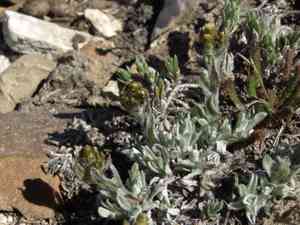
Antennaria parvifolia is a compact, ground-covering perennial featuring silver-gray leaves and white to pinkish blossom groupings. Perform trimming in early spring or late winter prior to the emergence of new shoots. Cut back faded flower stems and any impaired or elongated stalks to preserve a neat look and foster more compact development. Gentle trimming aids in averting excessive growth and improving air movement, thereby lowering the likelihood of illness. Consistent pruning boosts the plant's visual attractiveness and general well-being.
What Are the Benefits of Pruning Rocky Mountain Pussytoes?
What Are the Benefits of Pruning Rocky Mountain Pussytoes?
Rocky mountain pussytoes flourishes with trimming, as it promotes robust development and preserves its form, leading to a vibrant, appealing look. Pruning aids in managing its size and prevents congestion, fostering resistance to pests and illnesses.
What Is the Best Time for Pruning Rocky Mountain Pussytoes?
What Is the Best Time for Pruning Rocky Mountain Pussytoes?
Trimming or cutting rocky mountain pussytoes in early spring and late winter is advisable due to its growth cycle. Pruning during these periods helps stimulate new growth as the plant emerges from dormancy, boosting its overall health and vitality. Additionally, pruning at these times allows rocky mountain pussytoes to recover swiftly before the active growing and blooming seasons, ensuring the plant has ample time to thrive throughout the remainder of the growing period.
What Tools Do I Need to Prune Rocky Mountain Pussytoes?
Hand Pruners
Perfect for precise cuts on the smaller stems and flower heads of rocky mountain pussytoes without harming the plant.
Sharp Scissors
Useful for removing spent blooms and trimming back faded flowers, ensuring a neat, accurate cut to encourage fresh growth.
Gloves
Crucial for protecting your hands while handling rocky mountain pussytoes and reducing the risk of injury from any small but rough parts of the plant.
How to Prune Rocky Mountain Pussytoes
DiseasedLeaves
Examine the plant for any indications of diseased foliage. These might appear discolored, spotted, or moldy. Using sterilized pruning shears, carefully remove the infected leaves to stop the spread of disease.
WitheredLeaves
Look for dried-up leaves, which are typically dry and brown. Remove these leaves by cutting them at their base, close to the stem, to promote healthy development.
Disposal
Properly discard all trimmed diseased and withered leaves by placing them in a sealed bag and throwing them away, rather than composting, to avoid contaminating other plants.
CleanTools
After pruning, sanitize your pruning tools with alcohol or a bleach solution. This step is vital to prevent the transmission of diseases to other parts of rocky mountain pussytoes or to other plants.
Checkup
Regularly inspect rocky mountain pussytoes for new signs of disease or wilting. Periodic checks will help maintain the plant's health and allow for prompt action if issues arise.
Common Pruning Mistakes with Rocky Mountain Pussytoes
Incorrect Technique
Using dull or unsuitable tools can create jagged cuts that may harm rocky mountain pussytoes, making it vulnerable to disease.
Over-pruning
Removing too much foliage at once can stress rocky mountain pussytoes and hinder its development.
Pruning at Wrong Nodes
Cutting in inappropriate locations can impede rocky mountain pussytoes's natural growth pattern, affecting its overall shape and well-being.
Common Pruning Tips for Rocky Mountain Pussytoes
Use Sharp Tools
Always use sharp, clean pruning shears to make precise and neat cuts, minimizing damage to rocky mountain pussytoes.
Prune Moderately
Aim to remove only dead or diseased parts and avoid excessive pruning. Focus on reshaping and maintaining the plant's natural form.
Cut Above Leaf Nodes
Make cuts just above a leaf node to encourage new growth from these points, ensuring rocky mountain pussytoes maintains a healthy and compact shape.



