How to Transplant Wild custard apple?
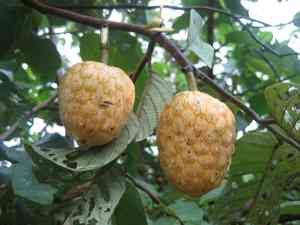
For wild custard apple, the transition from late winter to early spring is ideal for relocation, capitalizing on vigorous root expansion prior to summer. Select a location bathed in sunlight, guaranteeing soil with excellent drainage. Exercising extreme care with the root mass is crucial to prevent stress.
What Preparations are Needed Before Transplanting Wild Custard Apple?
What is the Ideal Time for Transplanting Wild Custard Apple?
The optimal period to relocate your wild custard apple is when winter's cold recedes and spring's gentle warmth emerges. This timeframe, typically spanning from the last winter frost until just before summer's arrival, provides an excellent opportunity for your wild custard apple to establish its root system. Moving your wild custard apple during this phase takes advantage of the season's mild temperatures and increasing daylight, promoting strong root development before the summer heat. This timing, much like a natural awakening for your wild custard apple, aligns with nature's cycle, leveraging the growth surge many perennials experience in spring. By transplanting within this window, you harmonize your wild custard apple with its natural rhythm, ensuring a smooth transition and vigorous growth.
How Much Space Should You Leave Between Wild Custard Apple Plants?
When planting wild custard apple, aim for ample room in your garden. An approximate distance of 15-20 feet (4.5-6 meters) between each plant is optimal. This spacing allows for sufficient growth, ensuring every wild custard apple receives the necessary nutrients and sunlight without competition.
What is the Best Soil Mix for Wild Custard Apple Transplanting?
Prepare a welcoming environment for your wild custard apple by blending rich, well-draining soil with a balanced foundational fertilizer. Loamy or sandy soil enriched with organic compost is an excellent starting point. Test the soil's pH; wild custard apple prefers a slightly acidic to neutral range (pH 6.0-7.5).
Where Should You Relocate Your Wild Custard Apple?
Select a sunny location for your wild custard apple that receives at least 6 to 8 hours of direct sunlight daily. Avoid areas prone to heavy shade, as wild custard apple thrives in full sun. This will encourage robust growth and abundant fruit production.
What Equipments Should You Prepare Before Transplantation Wild Custard Apple?
Gardening Gloves
To safeguard your hands while handling soil and plants.
Shovel or Spade
For digging and moving the wild custard apple from one spot to another.
Wheelbarrow
To transport the wild custard apple and soil, especially if the plant is large.
Watering Can or Hose
To hydrate the wild custard apple before and after its relocation.
Pruning Shears
For trimming any damaged roots or branches.
Stakes or Plant Supports
To offer stability to wild custard apple post-transplanting.
Measuring Tape
To ensure correct spacing between transplanted wild custard apple plants.
How Do You Remove Wild Custard Apple from the Soil?
How Do You Remove Wild Custard Apple from the Soil?
From Ground: Water the wild custard apple to moisten the soil before relocation. Dig a wide trench around the plant using a shovel or spade, keeping the root ball intact. Carefully lift the plant by working the spade beneath the root ball.From Pot: Tilt the pot sideways and gently tap the bottom to loosen the soil. Support the wild custard apple by its base and carefully extract the plant from the pot, aiming to keep the root ball undisturbed.From Seedling Tray: Gently push the wild custard apple seedling from the bottom of the tray with your fingers. If needed, use a dibber or a small tool to assist in easing the seedling out while preserving its root structure.
Step-by-Step Guide for Transplanting Wild Custard Apple
Digging The Hole
Excavate a hole that is twice as wide and of the same depth as the wild custard apple's root ball.
Preparing The Plant
Gently remove any broken roots or leaves and place the wild custard apple in the prepared hole, ensuring it's at the same depth as its original location.
Positioning The Plant
Center the wild custard apple in the hole and spread its roots outwards.
Re-filling The Hole
Backfill the hole with soil, gently tamping it down to eliminate any air pockets around the roots.
Staking
If the wild custard apple is tall or seems unstable, insert stakes around the plant and secure it with ties without harming its stems or roots.
Watering
Thoroughly water the plant to settle the soil and provide moisture to the roots.
Mulching
Apply a layer of organic mulch around the base of the wild custard apple to help retain moisture and suppress weed growth.
How Do You Care For Wild Custard Apple After Transplanting?
Monitoring
Regularly inspect the wild custard apple for signs of stress, such as wilting or discoloration, and address any issues promptly. Watch for pests or diseases and treat them as necessary.
Watering Consistency
Maintain consistent watering to help the wild custard apple establish itself in its new spot, especially during dry periods. Avoid overwatering to prevent root rot.
Support Maintenance
Periodically check and adjust the stakes and ties used to support the wild custard apple as it grows.
Pruning
Trim any damaged or dead growth to encourage healthy new growth and maintain the wild custard apple's shape.
Adaptation Observation
Observe how well the wild custard apple adjusts to its new environment and ensure it shows signs of healthy growth like new leaves or stems.
Limit Interference
Avoid fertilizing or heavy pruning immediately after transplanting to minimize additional stress on the wild custard apple. Allow the plant to acclimate to its new surroundings naturally.
Troubleshooting Common Issues with Wild Custard Apple Transplantation.
When is the best time to transplant wild custard apple?
Optimal transplanting occurs from early to late spring, during mild weather.
How far apart should I space wild custard apple when planting?
Space them 15-20 feet (4.5-6 meters) apart for proper growth and air circulation.
Why is my wild custard apple not thriving after transplanting?
Ensure it's in well-draining soil and receiving adequate, but not excessive, water.
How much sunlight does wild custard apple need after transplanting?
Wild custard apple flourishes in full sunlight to partial shade; adjust its location for best growth.
What type of soil is ideal for transplanting wild custard apple?
Wild custard apple prefers well-drained, fertile soil. Amend with organic matter if necessary.
How deep should the hole be when transplanting wild custard apple?
The hole should be twice the root ball's width and the same depth to promote growth.
How do I water wild custard apple after transplanting?
Water thoroughly after planting, then regularly to keep the soil moist but not saturated.
Can I use fertilizer immediately after transplanting wild custard apple?
It's best to wait until wild custard apple is established before applying balanced fertilizer to prevent burn.
What should I do if wild custard apple's leaves droop after transplanting?
Provide shade and water. Drooping often indicates shock, but it should recover with proper care.
How long does it take for wild custard apple to recover from transplant shock?
Recovery varies, but with appropriate care, wild custard apple should show new growth within a few weeks.



