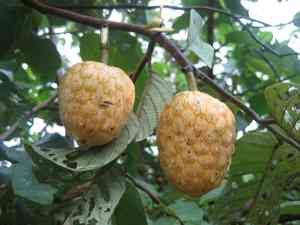
Wild custard apple (Annona senegalensis)
Also known as: Wild soursop
Wild custard apple, prevalent in African markets, is appreciated for its unique aroma similar to pineapple and its sweet flavor, making it a popular choice for fresh consumption and flavoring desserts like ice cream. Additionally, the plant serves multiple purposes: livestock often graze on it, and its bark can be used to produce insecticides. This versatility enhances its value in various communities.
In This Article
Attributes of Wild custard apple
Lifespan
Perennial
Plant Type
Tree, Shrub
Plant Height
2 m to 11 m
Spread
2-4 meters
Leaf Color
Blue Green
Flower Size
3 cm
Flower Color
Red Green
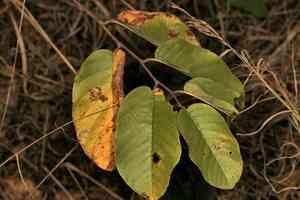
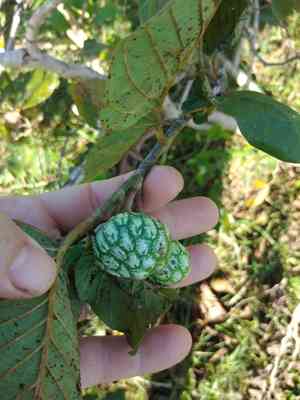
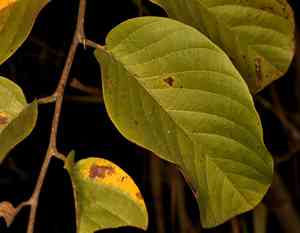
Images of Wild custard apple
Quickly Identify Wild custard apple
1
Identify Annona senegalensis by its distinctive round or oval fruits that turn yellow when ripe. The leaves are simple, alternate, and measure around 10-20 cm in length. Flowers are small, with six yellowish petals that may have red or purple spots.
Scientific Classification of Wild custard apple
Phylum
Vascular plants
Class
Dicotyledons
Order
Magnoliales
Family
Custard apple
Genus
Guanabana
Species
Wild custard apple
Planting and Growing of Wild custard apple
Care Difficulty
Easy
Watering Schedule
Every 2 days
Sunlight Requirements
Full sun
Sunshine Duration
4-6 hours
Ideal Temperature
77-86℉
Soil Type
Potting Mix, Peat Mix
Soil pH
6.5-7.5
Fertilizer Type
Balanced
Pruning Season
Spring, Summer
Pruning Area
Branches, Leaves
Pruning Frequency
2 times a year
Repotting Season
Spring
Pot Type
Plastic, Ceramic
 How to Water Wild custard apple?
When watering Annona senegalensis, ensure the soil is consistently moist, but not waterlogged. Aim to provide around 500 milliliters of water per session, allowing the water to penetrate the soil deeply. The key is to let the soil dry slightly between waterings without ever becoming completely dry.
What are the symptoms of an underwatered Wild custard apple?
›
What should I do if my Wild custard apple is not getting enough water?
›
What are the symptoms of an overwatered Wild custard apple?
›
How to save an overwatered Wild custard apple?
›
 What Are the Sunlight Requirements for Wild custard apple?
The ideal light range for Annona senegalensis is partial to full sun exposure. Receiving adequate sunlight is crucial for enhanced photosynthesis, robust growth, and optimal fruit production in this sun-loving plant.
What is the best light condition for Annona senegalensis?
›
How can you provide optimal lighting for this plant?
›
What benefits does optimal lighting bring?
›
 What Is the Ideal Temperature Range for Wild custard apple?
The ideal temperature range for Annona senegalensis is between 77°F and 86°F. This range promotes healthy growth, optimal photosynthesis, and fruit development. Outside this range, the plant may experience stress or reduced growth rates.
 What Soil is Best for Wild custard apple?
Annona senegalensis thrives in well-drained soils as it prevents root rot and ensures the plant's health by allowing optimal water flow and nutrient uptake. This plant benefits from soils rich in organic matter, which provides essential nutrients to support its vigorous growth and fruiting potential. It prefers soils that retain moderate moisture, providing sufficient water while preventing waterlogging, which could damage its roots.
 How to Fertilize Wild custard apple?
Annona senegalensis, commonly known as Wild Custard Apple, benefits from a balanced approach to fertilization. Liquid fertilizers should be applied bi-monthly at a strength of roughly 50% of the recommended dose for household plants, allowing the plant to thrive without risk of nutrient burn.
 How to Prune Wild custard apple?
Start by removing any dead or diseased branches as these can harbor pests or pathogens. Then, assess crowded areas and trim branches that are crossing or rubbing against each other. Prune to shape the plant into a balanced form. Remove any branches growing inward or toward the center of the plant which can cause congestion and limited light exposure. For best results, the primary pruning should be done just after harvesting in late summer. This timing reduces stress on the plant and allows it to focus energy on growth and fruiting.
More About Pruning Techniques→
 How to Propagate Wild custard apple plant?
1
Select healthy seeds and soak them in water for 24 hours to improve germination rates. This process helps the seed coat to loosen, allowing for easier sprouting.
2
Choose a healthy branch and cut a 6-8 inch segment below a node. Ensure that the cutting is from a mature but non-flowering stem to maximize rooting potential.
3
Insert the cut end of the cutting into a pot filled with a rooting medium. Keep the cutting upright and water gently, ensuring the soil is moist but not soggy.
 How to Repot Wild custard apple plant?
1
For Annona senegalensis, look for signs such as roots emerging from drainage holes or soil compactness indicating the need for repotting. Spring or summer is ideal, as the plant will have better chances of recovery and regrowth during these active growth periods.
2
Select a pot that is one or two sizes larger than the current one, with good drainage holes. A properly sized pot prevents root circling and provides room for growth, aiding in robust development. Ensure it matches your plant's aesthetic needs, balancing function with form.
3
Choose well-draining loamy soil with rich organic matter. This prevents waterlogging while retaining essential moisture and nutrients, creating an ideal environment for Annona senegalensis to thrive. Such soil supports porosity and aeration, allowing roots to develop healthily.



