How to Prune Wild custard apple?
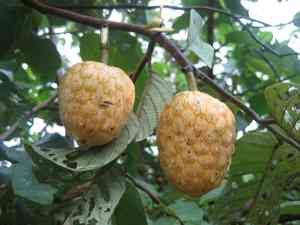
For wild custard apple, a resilient shrub recognized for its palatable fruit and therapeutic attributes, trimming ought to occur in late winter or early spring to encourage development and fruit yield. Eliminate any lifeless or ailing branches, and thin congested sections to improve light exposure and airflow. Restrict pruning to sculpt the plant and preserve its inherent structure. Pruning not only fosters more robust growth but can also boost the quantity and dimensions of the fruit.
Advantages of Trimming Wild Custard Apple
Advantages of Trimming Wild Custard Apple
Trimming wild custard apple promotes robust development by reallocating energy to strong branches and leaves. Strategic cuts help maintain the plant's desired form and size, fostering a neat appearance while also allowing light and air into the canopy, which can lower disease risk.
Optimal Time for Trimming Wild Custard Apple
Optimal Time for Trimming Wild Custard Apple
Trimming wild custard apple in late winter or early spring is beneficial as it typically precedes the growth cycle. Pruning at this time enables the plant to recover and produce new growth with stored energy from dormancy. It's also an ideal moment to shape the plant and remove any dead or diseased wood without stressing it, as the absence of foliage provides better visibility and access. This timing also prevents cutting off developing buds that will become flowers and fruits, ensuring the plant's reproductive ability is not compromised. Additionally, pruning before the spring growth spurt means wounds heal faster due to the plant's active growth phase, reducing disease risk.
Necessary Tools for Trimming Wild Custard Apple
Hand Pruners
Wild custard apple has relatively slender branches that hand pruners can easily cut. Opt for bypass pruners, which create clean cuts and are better for live plant tissue.
Loppers
For branches that are somewhat thicker and beyond the reach of hand pruners, loppers will provide the necessary leverage for clean cuts without harming wild custard apple.
Pruning Saw
When dealing with wild custard apple's branches that are too thick for hand pruners and loppers, a pruning saw can make quick and precise cuts.
Pole Pruner
If wild custard apple has grown tall and branches need trimming at a height, a pole pruner can be used to reach and trim them without needing a ladder.
Gloves
To shield your hands from scratches and potential sap irritation while trimming wild custard apple, wear durable gloves.
Cleaning Solution
To prevent the spread of diseases while trimming wild custard apple, always clean your tools with a solution like alcohol or a 10% bleach solution between cuts, especially when moving between plants.
How to Trim Wild Custard Apple
Sanitize tools
Before starting the trimming process, ensure all pruning tools are sterilized to prevent disease transmission to wild custard apple. Use a solution of 1 part bleach to 9 parts water or rubbing alcohol to wipe down the blades.
Inspect
Carefully examine wild custard apple to identify all dead branches, which often appear dry, brittle, and lack healthy green tissue or leaves. Locate diseased branches indicated by discoloration, growths, or visible signs of decay or pest infestation.
Remove dead branches
Using sanitized pruning shears or a saw for thicker branches, cleanly cut away any dead branches from wild custard apple. Make cuts at a 45-degree angle just above a node where a leaf or branch is attached to encourage healthy new growth.
Remove diseased branches
Trim diseased branches on wild custard apple, cutting well below any signs of infection to ensure all diseased tissue is removed. Dispose of these branches immediately and away from healthy plants to avoid contamination.
Clean up
After trimming wild custard apple, clear all cuttings and debris from the area to minimize the chance of disease spread. Sanitize the tools again after completion to be ready for the next trimming session.
Common Trimming Errors with Wild Custard Apple
Excessive trimming
Removing too much foliage from wild custard apple at once can stress the plant and lead to poor growth or susceptibility to pests and diseases.
Incorrect cutting technique
Making jagged or torn cuts on wild custard apple's branches can create open wounds that are vulnerable to infections and impede the plant's natural healing process.
Trimming active growth
Cutting away actively growing shoots on wild custard apple may limit fruit production as flowers and fruits develop on the current or previous season's growth.
Using dull trimming tools
Dull tools can damage wild custard apple's branches, leading to rough cuts that take longer to heal and may increase the risk of disease.
Ignoring diseased limbs
Not promptly removing diseased or damaged limbs from wild custard apple can allow diseases to spread throughout the entire plant.
General Trimming Advice for Wild Custard Apple
Sterilize pruning tools
Clean and sterilize all pruning tools before and after use on wild custard apple to prevent the spread of disease.
Trim for shape and health
Trim wild custard apple to maintain its natural shape and to remove any dead, diseased, or crossed branches, which will promote healthy growth and air circulation.
Make clean cuts
Use sharp tools to make clean, angled cuts just above a bud or branching point to ensure quick and effective healing on wild custard apple.
Thin dense growth
Thin out dense areas of wild custard apple's canopy to allow light to penetrate and air to circulate, which will encourage healthier foliage and fruiting.
Proper disposal
Dispose of the trimmed material, especially if it contains diseased or pest-infested matter, away from wild custard apple to avoid recontamination.



