How to Transplant Pond Apple?
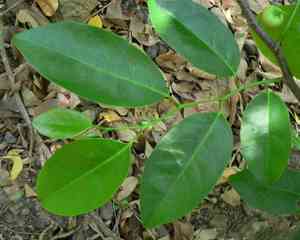
The optimal period for relocating pond Apple is during the spring, as nature revives, which encourages strong root establishment. Select a water-rich environment, guaranteeing pond Apple's prosperity. Maintain damp soil conditions and offer abundant sunlight to support its development after transplantation.
What Preparations are Needed Before Transplanting Pond Apple?
What is the Ideal Time for Transplanting Pond Apple?
Moving pond Apple as winter transitions to spring, typically early to mid-spring, is optimal. This timing aligns with pond Apple's natural growth cycle, promoting strong root development before summer's heat. This allows pond Apple to flourish, benefiting from spring's mild conditions, which are gentle on new roots. Additionally, this period often brings ample rain, helping the plant settle without dry stress.
How Much Space Should You Leave Between Pond Apple Plants?
When relocating pond Apple saplings, maintain an optimal spacing of 8-10 feet (2.4-3.0 meters) between each plant. This ensures they have sufficient room to grow without competing for resources.
What is the Best Soil Mix for Pond Apple Transplanting?
For pond Apple to thrive, soil choice is crucial! Well-draining soil is best. Also, enrich the soil with a balanced base fertilizer before planting. This boosts soil fertility and aids the young plants' growth.
Where Should You Relocate Your Pond Apple?
Find a sunny or partially shaded spot for the pond Apple. It prefers abundant sunlight but can tolerate slightly shaded areas. The perfect location receives at least six hours of direct sun daily.
What Equipments Should You Prepare Before Transplantation Pond Apple?
Gardening Gloves
To safeguard your hands when handling soil or any sharp tools.
Trowel or Shovel
Essential for digging soil during the removal or relocation of the pond Apple.
Gardening Fork
Useful for loosening the soil around the plant's root ball and preventing root damage while digging.
Pruners
Handy for trimming any dead or damaged roots or leaves.
Watering Can or Hose
To hydrate the plant before and after its relocation.
Wheelbarrow
Optional, but extremely convenient for transporting the pond Apple from its original spot to the new planting site.
How Do You Remove Pond Apple from the Soil?
How Do You Remove Pond Apple from the Soil?
From Ground: First, thoroughly water the pond Apple plant a day or two before you plan to move it. This makes the soil moist and easier to manage. Dig a wide circular trench around the pond Apple using a gardening fork or spade, ensuring the plant's vital root ball remains intact. Gradually work the spade beneath the root ball and carefully lift the plant from its original spot. Avoid harsh pulling or tugging.From Pot: Begin by watering the pot well in advance. Place your hand over the top of the pot, then invert it. Tap the pot's rim on a firm surface, which should loosen the soil and allow the pond Apple to slide out. Be careful to support the plant and its root ball during this process.From Seedling Tray: If pond Apple is in a seedling tray, water it thoroughly before gently pushing it up from the bottom to remove. Avoid pulling the plant by its stem, which can cause damage.
Step-by-Step Guide for Transplanting Pond Apple
Preparation
Dig a hole at the new site that is twice as wide and as deep as the pond Apple's root ball. This provides ample room for the plant to establish its roots.
Placing the Plant
Position the pond Apple in the hole by carefully lowering it. Ensure the top of the root ball is level with or slightly below the ground surface.
Refilling
Backfill the hole with the original soil, gently firming it around the base of the pond Apple. Avoid compacting the soil too tightly, as this can hinder root growth.
Watering
After transplanting, thoroughly water the area to eliminate any air pockets and help the soil settle. Water slowly at the base of the pond Apple plant.
How Do You Care For Pond Apple After Transplanting?
Mulching
Applying a layer of organic mulch around the base of the pond Apple can help retain soil moisture and regulate soil temperature, thereby reducing transplant shock. Do not pile the mulch against the trunk, as this can lead to rot.
Pruning
Trim off any damaged or dead branches or leaves to direct the pond Apple's energy towards root establishment and growth.
Checking
Monitor the pond Apple closely. If the plant's leaves turn yellow or wilt, this could indicate transplant shock. If the plant does not improve with watering and care, it might be best to consult a local nursery.
Troubleshooting Common Issues with Pond Apple Transplantation.
What is the ideal time of year to transplant pond Apple?
The best time to relocate pond Apple is during the S1-S2 period. The plant will successfully root in its new location during this season.
How much space does pond Apple need when being transplanted?
Provide pond Apple with ample room to grow. Aim for a spacing of approximately 8-10 feet (2.4-3 meters) between each plant. This allows sufficient space for each plant to thrive.
How deep should I dig the hole when transplanting pond Apple?
When relocating pond Apple, dig a hole that is twice the diameter and the same depth as the plant's root ball. This gives it enough space to establish its roots.
What type of soil is best for transplanting pond Apple?
Well-drained soil is optimal for pond Apple. It prefers a pH of about 5.5 to 7.5. The plant will not perform well in excessively wet or dry soil.
Should I water pond Apple immediately after transplanting?
Yes, watering pond Apple after relocation is crucial. Thoroughly moisten the soil around the base but avoid over-saturating. Water consistently afterward for the first 1-2 weeks.
Should I apply any fertilizer when Iâm transplanting pond Apple?
Applying fertilizer during the initial relocation can be beneficial but is not essential. If you choose to use one, ensure itâs a slow-release type to prevent root burn.
Why are my transplanted pond Apple leaves turning yellow?
If pond Apple's leaves turn yellow after relocation, it might be due to water stress or nutrient deficiencies. Review your watering and fertilizing schedule and adjust as needed.
What should I do if my transplanted pond Apple doesnât look well?
Pond Apple may experience 'transplant shock'. Keep the soil consistently moist but not waterlogged, ensure it receives plenty of sunlight, and protect it from harsh weather.
Can I transplant pond Apple in a pot?
Yes, pond Apple can be relocated to a pot. Ensure the pot is large enough to accommodate the plant's growth and provides adequate drainage.
How do I handle the root ball of pond Apple during transplanting?
Handle pond Apple's root ball with care during relocation. Avoid damaging the roots, as this can stress the plant and hinder its ability to establish in the new location.



