How to Prune Pond Apple?
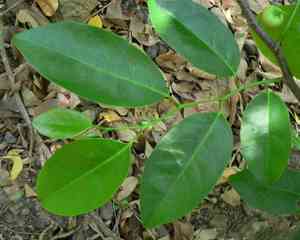
Originating from marshlands and bogs, pond Apple usually exhibits a wide, expansive crown. Essential pruning methods involve excising deceased or ailing timber and reducing dense limbs to improve air circulation and light access. The most effective pruning should occur in winter, while the plant is inactive, to lessen strain and avert illness. Trimming this specimen not only fosters more robust development but can also regulate its dimensions and preserve a preferred form, which is vital in curbing its potential for invasive proliferation.
What Are the Benefits of Pruning Pond Apple?
What Are the Benefits of Pruning Pond Apple?
Trimming pond Apple encourages robust development and can lead to a more plentiful yield. Strategic cutting helps maintain its desired form and dimensions, ensuring pond Apple remains visually appealing and manageable.
What Is the Best Time for Pruning Pond Apple?
What Is the Best Time for Pruning Pond Apple?
Winter is considered the ideal period for pruning pond Apple because the plant is inactive during this season. This dormant phase is when the plant's growth cycle slows, allowing it to recover better from pruning without diverting energy from fruit or flower production. Pruning in winter enables gardeners to shape the plant and remove dead or diseased wood without the risk of stressing the plant during its active growth in spring and summer. Additionally, the absence of leaves makes it easier to see the plant's structure and decide which branches to cut. Trimming pond Apple during winter also helps to stimulate new growth in the spring, ensuring a healthier plant with improved air circulation and light exposure.
What Tools Do I Need to Prune Pond Apple?
Hand Pruners
Perfect for cutting small branches and twigs of pond Apple, ensuring clean cuts without harming the plant.
Lopping Shears
Suitable for thicker branches of pond Apple, typically up to 1.5 inches in diameter, offering greater leverage and cutting force.
Pruning Saw
Essential for any branches exceeding 1.5 inches in diameter that hand pruners or lopping shears cannot manage, helping to prevent tearing of pond Apple's bark and branches.
Hedge Shears
Useful for shaping and trimming the foliage of pond Apple if a formal hedge appearance is desired.
Pole Pruner
Allows for the safe pruning of higher branches of pond Apple without needing a ladder, providing reach and accuracy.
How to Prune Pond Apple
Step1: Tool Sanitization
Disinfect your tools before pruning pond Apple to prevent disease transmission. Use a solution of 1 part bleach to 9 parts water or a commercial disinfectant to clean all pruning shears, saws, and tools.
Step2: Dead Wood Removal
Identify and remove all dead wood from pond Apple, which can be recognized by its dry, brown appearance and lack of flexibility. Make cuts just above a live bud or branch at a 45-degree angle to promote healing and prevent water accumulation.
Step3: Diseased Limb Cutting
Inspect pond Apple for any diseased limbs, which may show signs of discoloration, cankers, or abnormal growth. Remove these limbs by cutting back to healthy tissue, well below the affected area, to limit disease spread.
Step4: Weak Branch Pruning
Examine pond Apple for weak branches that may be crossing, rubbing against other branches, or growing at poor angles, which can create stress points. Prune these weak branches to a main branch or the trunk to enhance the overall structure and strength of pond Apple.
Step5: Canopy Thinning for Light and Air
To address an overgrown canopy of pond Apple, thin out select branches to improve light penetration and air circulation. Make cuts at lateral branches or buds that are facing outwards to encourage pond Apple to develop a more open and healthier branching pattern.
Step6: Natural Shape Maintenance
Shape pond Apple by selectively pruning branches to maintain its natural form. Avoid over-pruning, which can stimulate excessive growth and weaken pond Apple. Ensure that no more than one-third of the canopy is removed in a single season.
Step7: Post-Pruning Cleanup
After pruning pond Apple, clean up all debris from the area to prevent the potential spread of pests or diseases. Dispose of diseased limbs and leaves in a manner that minimizes risk of contamination.
Step8: Post-Pruning Monitoring
Monitor pond Apple after pruning for signs of stress or continued health issues. Provide appropriate care, which includes watering, feeding, and mulching, to support recovery and robust growth.
Post-Pruning Care for Pond Apple
Post-Pruning Care for Pond Apple
Immediately after pruning pond Apple, water the soil to ensure adequate moisture for recovery. Place pond Apple in an environment with gentle, indirect sunlight, maintaining high humidity and stable temperatures. Apply a balanced, slow-release fertilizer to replenish nutrients and support growth. Regularly inspect the pruning sites for signs of stress or infection; if detected, treat promptly with appropriate fungicides or insecticides. Adjust care as pond Apple adapts to its pruned state, ensuring optimal conditions for healthy regrowth.
Common Pruning Mistakes with Pond Apple
Failing to Sterilize Pruning Tools
Neglecting to sterilize pruning tools before and after use can introduce diseases to pond Apple.
Excessive Foliage Removal
Removing too much foliage at once can stress pond Apple, potentially impacting its health and growth.
Improper Branch Collar Cutting
Cutting branches flush against the trunk can damage pond Apple's collar, hindering proper healing and making the plant susceptible to infection.
Overlooking Dead or Diseased Limbs
Ignoring dead or diseased limbs, which can become vectors for pests or diseases that may spread to healthy parts of pond Apple.
Purposeless Pruning
Pruning without a clear purpose, such as to shape the plant or remove unhealthy limbs, can lead to unnecessary cuts and hinder pond Apple's natural growth pattern.
Common Pruning Tips for Pond Apple
Use Sharp, Clean Pruning Tools
Use sharp, clean tools to make precise cuts that will heal quickly, reducing the stress on pond Apple.
Prune Towards Desired Growth Direction
Prune back to a lateral branch or bud that faces the direction you wish new growth to take, encouraging pond Apple to develop a desired shape and direction.
Correctly Cut Outside Branch Collar
When removing larger branches, make cuts just outside the branch collar rather than flush with the trunk to promote healing and reduce the risk of decay in pond Apple.
Remove Dead or Diseased Branches
Always remove dead, diseased, or broken branches promptly to maintain pond Apple's health and prevent the spread of disease.
Thin Foliage for Airflow and Light
Thin out dense areas of foliage to improve air circulation and light penetration, which is crucial for the overall health and fruiting of pond Apple.
Prune Above Nodes for Healthy Shoots
When shortening branches, cut above a node where leaf buds occur to encourage pond Apple to produce new healthy shoots.



