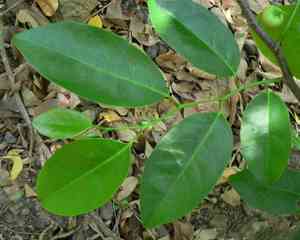
Pond Apple(Annona glabra)

Pond Apple (Annona glabra)

Also known as: Swamp Apple, Bobwood

The Pond Apple, a tropical fruit tree native to the Florida Everglades, is sometimes referred to as "alligator fruit" because alligators consume its mildly cantaloupe-flavored fruit. However, in other regions, it is regarded as an invasive species.

Attributes of Pond Apple

Lifespan
Perennial
Plant Type
Shrub
Plant Height
12 m
Spread
4.5 m to 6 m
Leaf Color
Green
Flower Size
2 cm to 2.5 cm
Flower Color
Yellow White Pink Green Red

ForwardPlant - Identify plants with a snap

Identify and diagnose plants, get toxicity alerts, and explore safety guides for all types of fungi.

Try for Free

Images of Pond Apple

Pond Apple(Annona glabra)

Quickly Identify Pond Apple

1
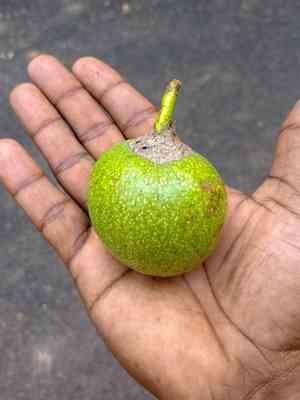
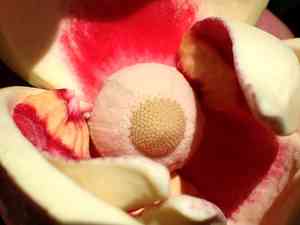
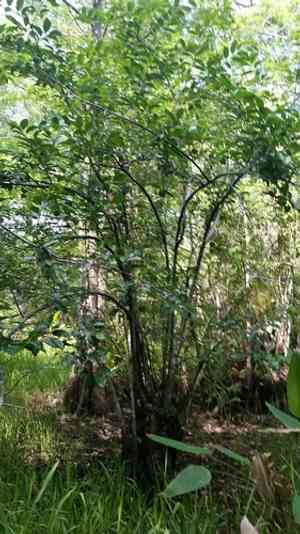
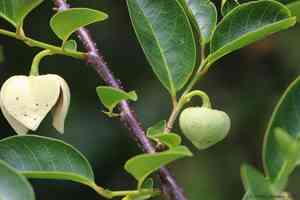
The Pond Apple can be identified by its shiny, dark green leaves, small yellow-green to pinkish flowers, and large, round fruit with a bumpy skin. The bark is grayish-brown and slightly fissured.

Scientific Classification of Pond Apple

Phylum
Vascular plants
Class
Dicotyledons
Order
Magnoliales
Family
Custard apple
Genus
Guanabana
Species
Pond Apple

Planting and Growing of Pond Apple

Care Difficulty
Easy
Watering Schedule
Every 4 days
Sunlight Requirements
Full sun
Sunshine Duration
4-8 hours
Ideal Temperature
68-86℉
Soil Type
Potting Mix, Peat Mix
Soil pH
4.5-7.5
Fertilizer Type
Balanced
Pruning Season
Spring, Summer
Pruning Area
Branches, Leaves
Pruning Frequency
2 times a year
Repotting Season
Spring
Pot Type
Plastic, Ceramic

water icon How to Water Pond Apple?

Annona glabra prefers its soil to be consistently moist but not waterlogged. It's crucial to ensure the water reaches the root zone, which often requires about 750 ml of water per session depending on soil and container size. The idea is to thoroughly wet the soil without causing water to pool, allowing the plant to absorb moisture effectively.
What are the symptoms of an underwatered Pond Apple? ›
What should I do if my Pond Apple is not getting enough water? ›
What are the symptoms of an overwatered Pond Apple? ›
How to save an overwatered Pond Apple? ›

sunlight icon What Are the Sunlight Requirements for Pond Apple?

Sunlight Requirements: Full sun, Partial sun
Duration of light: 6 to 8 hours
Annona glabra ideally thrives in full sun to partial sun settings. These conditions enhance its growth and fruit production by supplying sufficient light energy for robust photosynthesis.
What is the ideal lighting for Annona glabra? ›
How can we achieve ideal lighting for Annona glabra? ›
What benefits does ideal lighting provide Annona glabra? ›
More About Sunlight Requirements Techniques→

temperature icon What Is the Ideal Temperature Range for Pond Apple?

Ideal Temperature: 68 ~ 86℉
Annona glabra, commonly known as pond apple, thrives in a tropical climate. The ideal temperature range for this plant is between 68°F and 86°F. Within this temperature window, the plant can sustain optimal growth, vigorous leaf production, and healthy fruit development. Consistent exposure to these temperatures promotes overall plant vitality and efficiency in photosynthesis.

soil icon What Soil is Best for Pond Apple?

Soil type: Sandy soil, Loam, Clay soil, Sandy loam
Soil PH: 4.5 ~ 7.5
Annona glabra appreciates soil that is rich in nutrients. This not only promotes healthy growth but also ensures robust flowering. Using well-composted organic matter increases the nutrient availability, which is beneficial for its root system and overall vigor. While the plant can tolerate some waterlogging, it prefers soil with good drainage to prevent root rot. This ensures that excess water doesn't sit around the roots, which can cause fungal diseases. A slightly acidic soil pH is often ideal, as it enhances nutrient absorption. This helps Annona glabra to maintain its lush foliage and produce high-quality fruits.

fertilize icon How to Fertilize Pond Apple?

Fertilizer type: Balanced
When fertilizing Annona glabra, apply approximately 50 grams of balanced granular fertilizer for each square meter of soil. This ensures that the plant receives adequate nutrients without the risk of over-fertilization. Adjust this amount based on the plant's size and growth stage.

prune icon How to Prune Pond Apple?

Pruning Time: Spring, Summer, Autumn
Begin by identifying any dead, diseased, or damaged branches. These should be the first to be pruned to prevent the spread of disease and encourage the plant's energy to focus on healthy growth. Make clean cuts at a slight angle to prevent water from pooling on the cut surfaces. This helps in reducing the chances of fungal infections and rot. Ensure not to cut too close to the main stem to avoid damaging the main plant structure. Shape the plant by selectively pruning to achieve the desired size and shape. Focus on keeping the center of the plant open to allow for maximum sunlight exposure and air circulation, which can help reduce pest problems. More About Pruning Techniques→

propagate icon How to Propagate Pond Apple plant?

Propagate Time: Spring, Early summer
1
Collect mature Annona glabra seeds from ripe fruits. Clean the seeds thoroughly to remove any pulp. Allow the seeds to air-dry for a day before planting to improve germination chances.
2
Use a well-draining soil mix composed of equal parts sand and peat moss. Fill seedling trays or pots with the mix, ensuring a loose and aerated medium for optimal root growth.
3
Sow the seeds 1 inch deep in the growth medium and cover lightly with soil. Position the trays in a warm location with indirect sunlight to facilitate germination, usually taking 3-4 weeks.
More About Propagating Techniques→

repot icon How to Repot Pond Apple plant?

Repotting frequency: Every 1-2 years
1
Annona glabra needs repotting when roots start circling the pot perimeter or when water drainage becomes slow. Spring and early summer are ideal times when the plant is actively growing, making it easier to recover from repotting stress.
2
Select a pot that is only one size larger than the current one. A pot that is too large can retain excess moisture, leading to root rot. Ensure it has drainage holes to allow excess water to escape, maintaining soil aeration.
3
Opt for a well-draining, loamy soil mix. This type of soil prevents water logging and root rot and ensures aeration for root health. A good blend maintains moisture evenly while allowing for oxygen flow to the roots.

ForwardPlant - Identify plants with a snap

Find the best spots for them to optimize their health, simply using your phone.

Try for Free

Toxicity of Pond Apple

Is Pond Apple toxic to cat?

Pond Apple is considered to have moderate toxicity for cats, presenting a potential health hazard if consumed. The seeds of the pond Apple are particularly harmful, as they contain the toxic elements that can lead to feline poisoning. Following ingestion, a cat may show symptoms of distress or illness that require prompt veterinary intervention. It is crucial for pet owners to take precautions to restrict their cats' access to the seeds of pond Apple in order to mitigate the risk of poisoning. If a cat does ingest any portion of pond Apple, it is essential to obtain medical care at a veterinary clinic as soon as possible.

Is Pond Apple toxic to dog?

Pond Apple presents a moderate risk of toxicity to dogs. The primary way in which dogs can become poisoned is by consuming the plant. In particular, the seeds of the Pond Apple are recognized as toxic. If a dog ingests these seeds, it may show various symptoms associated with poisoning. While the specific toxic compounds are not identified, dog owners must remain alert for any signs of distress in their pets following possible exposure to Pond Apple. Symptoms may include vomiting, diarrhea, lethargy, or more severe reactions depending on the quantity ingested. If a dog exhibits poisoning symptoms after consuming any part of the Pond Apple, it is crucial to seek urgent veterinary assistance to ensure the most favorable outcome for the animal.

Identify toxic plants for your safety

Learn which plants are harmful to you and your pets, and make informed choices for a safer home!

Try for Free
WARNING
The judgment on toxicity and danger is for reference only. We DO NOT GUARANTEE any accuracy of such judgment. Therefore, you SHALL NOT rely on such judgment. It is IMPORTANT TO SEEK PROFESSIONAL ADVICE in advance when necessary.
More About Toxic Techniques→