How to Transplant Woodland madia?
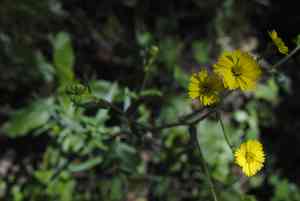
Relocating woodland madia is most effective from the onset of early spring until the close of late spring, facilitating robust root development. Select a sheltered spot featuring damp, well-draining earth for peak proliferation. Careful manipulation of the root system will foster a smooth acclimatization.
Essential Preparations Before Relocating Woodland Madia
Optimal Period for Moving Woodland Madia?
The prime time for relocating your woodland madia is as winter recedes and spring emerges. This renewal phase promotes strong root establishment, crucial for perennial vitality. Choosing this window enhances root growth, allowing your woodland madia to thrive with minimal stress. It's like providing your plant a comfortable home just as nature awakens, setting the stage for robust growth!
Recommended Spacing Between Woodland Madia Plants?
Hello, fellow gardener! When preparing to rehouse your woodland madia, ensure they have ample room. Aim for a comfortable 12-18 inches (30-46 cm) between each specimen. This provides sufficient space for them to flourish without competing for resources or nutrients!
Ideal Soil Blend for Woodland Madia Transplantation?
For your woodland madia, consider a well-draining, nutrient-rich soil. They thrive best when they feel established in their new spot. Incorporate some compost or a slow-release balanced fertilizer to give them a nourishing start. Happy planting!
Optimal Location for Replanting Your Woodland Madia?
When selecting a sunny spot for your woodland madia, look for an area with partial shade – bright but not excessively hot. They appreciate filtered sunlight, just enough to keep them vibrant without the harsh midday sun.
Equipment Needed Before Transplanting Woodland Madia
Gardening Gloves
To safeguard your hands while handling soil and plants.
Shovel or Spade
For excavating and lifting the plant.
Pruning Shears
To trim any dead or excess plant parts prior to transplanting.
Watering Can or Hose
To hydrate the plant in its new location.
Wheelbarrow or Garden Cart
For transporting the plant if it's large or if you're moving multiple specimens.
Mulch
To aid in retaining soil moisture after transplantation.
Method for Extracting Woodland Madia from the Ground
Method for Extracting Woodland Madia from the Ground?
From Ground: Begin by watering the woodland madia to soften the soil and reduce plant stress. Use a shovel or spade to dig around the plant, leaving a generous amount of soil attached to the root ball. Carefully slide the shovel beneath the root ball to loosen and lift the plant from the ground.From Pot: Water the woodland madia and gently tap the pot's sides to loosen the soil. Invert the pot and support the plant with your other hand. Carefully remove the plant, cradling the root ball to prevent damage.From Seedling Tray: Water the seedlings before starting the transplant to minimize root disturbance. Use a dibber or a small tool to gently lift the seedling out of the tray, ensuring you retrieve as much of the root system as possible.
Step-by-Step Guide for Relocating Woodland Madia
Preparation
Prepare the new planting site by loosening the soil. Ensure all weeds have been removed and the area is ready for the woodland madia.
Digging the Hole
Excavate a hole that is twice as wide and equally deep as the root ball of your woodland madia. This allows the roots ample room to spread.
Plant Positioning
Place the woodland madia in the center of the hole, ensuring it stands upright. The top of the root ball should be level with the surrounding ground.
Backfilling
Carefully refill the hole with soil, gently compacting it to eliminate air pockets. Water the soil to help it settle.
Mulching
Apply a layer of mulch around the woodland madia to conserve moisture and reduce weed competition, keeping the mulch away from the plant's stem to prevent rot.
Post-Transplantation Care for Woodland Madia
Watering
Maintain consistent moisture around the woodland madia, especially during the initial weeks to help the plant establish in its new location.
Checking
Regularly inspect the plant for signs of stress, such as wilting or discoloration, and address any issues promptly.
Mulching
Ensure the mulch remains in place and add more if necessary to conserve soil moisture and regulate soil temperature.
Supporting
If the woodland madia appears unstable, use plant supports or stakes to keep it upright as it grows.
Pruning
Trim any damaged or diseased stems to encourage healthy growth and improve air circulation around the plant.
Resolving Common Issues with Woodland Madia Transplantation
When is the optimal time to transplant woodland madia?
Ideally, transplant woodland madia from early to late spring, when temperatures are mild and favorable for root establishment.
What spacing should I use for woodland madia?
Space woodland madia approximately 12-18 inches (30-45 cm) apart to ensure they have sufficient room to grow and thrive.
Why is my woodland madia struggling after transplant?
Ensure woodland madia receives adequate water, is not exposed to extreme temperatures, and that the soil drains well. Review your care routine.
How deep should I plant woodland madia's root ball?
The root ball should be planted so its top is level with the surrounding soil to prevent stem rot or drying.
Can I transplant woodland madia on a hot day?
It's best to transplant woodland madia on a cloudy day or in the evening to avoid heat stress and ensure better acclimation.
What soil conditions are best for transplanting woodland madia?
Use fertile, well-draining soil with a good mix of organic matter to provide woodland madia with a healthy start.
How much should I water woodland madia after transplanting?
Water thoroughly after transplanting and keep the soil consistently moist, but not waterlogged, during the first growing season.
Should I use fertilizer when transplanting woodland madia?
Wait to fertilize until woodland madia has shown new growth to avoid root burn and give it time to settle.
Why are woodland madia's leaves wilting after transplanting?
Wilting may occur due to transplant shock. Keep the soil moist and protect woodland madia from direct sun until it recovers.
Can I transplant woodland madia next to other plants?
Yes, but ensure woodland madia has enough space and sunlight, and that it won't be outcompeted for nutrients by neighboring flora.



