How to Prune Woodland madia?
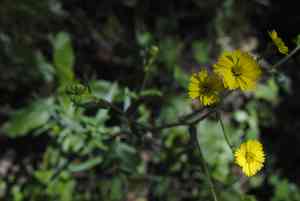
A perennial boasting abundant yellow blossoms, woodland madia flourishes with post-bloom trimming. Cut back faded flowers and sculpt the plant in late spring or summer to stimulate further flowering. Regularly remove spent blooms to preserve visual appeal and plant vigor. Light pruning is adequate, concentrating on excising impaired or lifeless stalks. This targeted method manages dimensions, fosters development, and boosts flowering, simultaneously averting energy expenditure on seed formation. Pruning during periods of active development guarantees rapid recuperation.
What Are the Benefits of Pruning Woodland Madia?
What Are the Benefits of Pruning Woodland Madia?
Trimming woodland madia promotes robust development and helps maintain its form, which is crucial for visual appeal and plant vitality. Regular cutting can prevent excessive growth and ensure improved air movement, lowering disease risk.
What Is the Best Time for Pruning Woodland Madia?
What Is the Best Time for Pruning Woodland Madia?
Trimming woodland madia in late winter or early spring is optimal as the plant remains dormant before its active growth period begins. This timing allows the plant to recover from cuts without diverting energy from blooming or other growth processes. Moreover, it minimizes the chance of disease infection, which is higher during warmer, more humid seasons. By pruning in early spring, gardeners also have a clearer view of the plant's structure for more precise cuts, ensuring the plant's health and aesthetic during its growth phase.
What Tools Do I Need to Prune Woodland Madia?
Bypass Hand Pruners
Perfect for making clean cuts on the live stems and small branches of woodland madia without crushing plant tissues.
Pruning Shears
For shaping and trimming the foliage of woodland madia, ensuring accuracy and minimal harm to the plants.
Gardening Gloves
To shield the gardener's hands from thorns and sap that might be present on woodland madia.
Loppers
Useful when needing to reach higher branches or for providing additional leverage for cutting through thicker stems of woodland madia, if necessary.
How to Prune Woodland Madia
Disinfect tools
Before beginning the pruning process, sanitize all pruning tools using a solution of 1 part bleach to 9 parts water or rubbing alcohol to prevent spreading diseases to woodland madia.
Remove diseased leaves
Carefully inspect woodland madia for any signs of disease on the leaves. Gently remove diseased leaves by cutting them at the base of the leaf stem using sharp, clean shears.
Remove withered leaves
Identify withered or dead leaves on woodland madia. These can be removed by hand or with shears, depending on the ease of detachment, to maintain plant health and appearance.
Remove diseased stems
Examine woodland madia for stems showing signs of disease. Prune these stems back to healthy tissue, cutting at a 45-degree angle to promote healing and prevent water accumulation on the cut surface.
Clean up
After pruning woodland madia, clear away all removed plant material from the area to prevent the spread of any pathogens and to maintain a clean growing environment for the plant.
Common Pruning Mistakes with Woodland Madia
Over-pruning
Removing too much foliage from woodland madia can shock the plant and stifle its growth. It's important not to remove more than a third of the plant's volume during a pruning session.
Improper cuts
Incorrect cutting techniques can lead to damage and disease. Ensure that cuts are made at a 45-degree angle just above an outward-facing bud or branch to promote proper healing and growth direction.
Using dull tools
Dull pruning tools can crush stems and create jagged cuts that are vulnerable to disease. Always use sharp, clean tools when pruning woodland madia.
Neglecting to thin
Failing to thin out the center of woodland madia can result in poor air circulation and light penetration, which could hamper healthy growth and flowering.
Pruning for size alone
Cutting woodland madia back for size control without considering its natural shape and growth patterns can lead to an unsightly appearance and potentially harm the plant's health.
Common Pruning Tips for Woodland Madia
Selective pruning
Carefully select which stems or branches to prune based on their health and position to maintain the natural shape of woodland madia and encourage a strong, healthy structure.
Promote airflow
Focus on thinning the center of woodland madia to improve air circulation and light penetration, which helps to prevent disease and promote even flowering.
Deadheading
Regularly remove spent flowers from woodland madia to encourage new blooms and prevent the plant from expending energy on seed production.
Sanitize tools
Before pruning woodland madia, sanitize tools to prevent the spread of disease. Consider using a mild bleach solution or rubbing alcohol to clean the blades between cuts.
Prune for health
Remove any dead, damaged, or diseased wood from woodland madia as soon as it's noticed to prevent further issues and maintain plant vigor.



