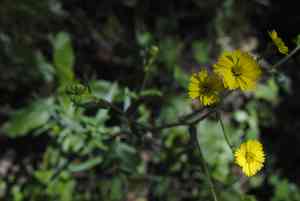
Woodland madia (Anisocarpus madioides)
Also known as: Woodland tarweed
Woodland madia is native to the coastal and foothill forests of western North America, particularly in California and Oregon. This perennial plant, known for its vibrant yellow blossoms, blooms from spring to summer and attracts numerous pollinators. It is also occasionally cultivated as an ornamental garden plant.
In This Article
Attributes of Woodland madia
Lifespan
Perennial
Plant Type
Herb
Plant Height
75 cm
Spread
25 - 50 centimeters (10 - 20 inches)
Leaf Color
Green Blue
Flower Size
1 cm
Flower Color
Yellow
Images of Woodland madia
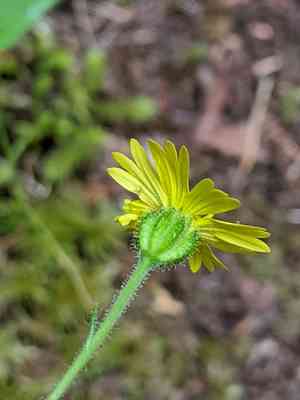
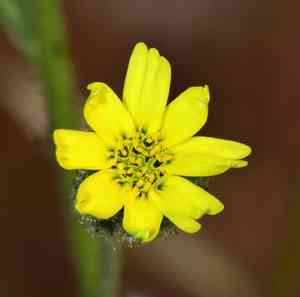
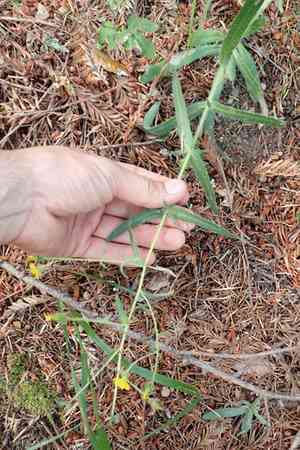
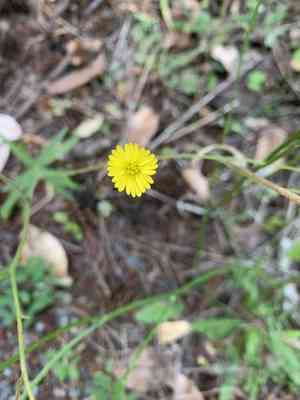
Quickly Identify Woodland madia
1
This plant can be identified by its yellow, daisy-like flowers with brownish centers and its sticky, glandular stems and leaves. The plant typically blooms in the late spring to early summer.
Scientific Classification of Woodland madia
Phylum
Vascular plants
Class
Dicotyledons
Order
Asterales
Family
Daisy
Genus
Anisocarpus
Species
Woodland madia
Planting and Growing of Woodland madia
Care Difficulty
Hard
Watering Schedule
Every 4 days
Sunlight Requirements
Partial sun
Sunshine Duration
4-8 hours
Ideal Temperature
60-75℉
Soil Type
Potting Mix, Peat Mix
Soil pH
6.5-7.5
Fertilizer Type
Balanced
Pruning Season
Spring, Summer
Pruning Area
Branches, Leaves
Pruning Frequency
2 times a year
Repotting Season
Spring
Pot Type
Plastic, Ceramic
 How to Water Woodland madia?
When watering Anisocarpus madioides, ensure the soil is moist but not soggy. The plant appreciates consistently damp conditions but not standing water. Each watering should provide approximately 300 ml to maintain healthy growth. Ensure the excess water can drain away to prevent root rot.
What are the symptoms of an underwatered Woodland madia?
›
What should I do if my Woodland madia is not getting enough water?
›
What are the symptoms of an overwatered Woodland madia?
›
How to save an overwatered Woodland madia?
›
 What Are the Sunlight Requirements for Woodland madia?
Ideally, Anisocarpus madioides enjoys dappled to partial sunlight, making it suitable for areas with filtered sunlight. Ensuring the right lighting fosters healthy foliage and strong growth, maintaining its vibrant leaf color and overall health.
Optimal Sun Exposure
›
Achieving Perfect Exposure
›
Benefits of Proper Lighting
›
 What Is the Ideal Temperature Range for Woodland madia?
Anisocarpus madioides thrives best in temperatures ranging from 60°F to 75°F. This range ensures that the plant can perform photosynthesis effectively, maintain healthy cellular functions, and reduce the risk of stress from temperature fluctuations. A stable temperature within this range mimics its natural habitat conditions, providing the necessary warmth for ideal growth and development.
 What Soil is Best for Woodland madia?
The loamy soil’s ability to retain moisture provides essential hydration for Anisocarpus madioides, ensuring consistent water availability which is crucial during dry periods. Sandy loam offers excellent drainage properties, preventing waterlogging and root rot, conditions detrimental to Anisocarpus madioides’ health, helping maintain a robust root system. Rich in organic matter, the loamy soil supplies Anisocarpus madioides with necessary nutrients, fostering healthy growth and vibrant foliage, emphasizing the dynamic interplay of nutrients and plant health.
 How to Fertilize Woodland madia?
For Anisocarpus madioides, it is crucial to apply fertilizer in moderate amounts to avoid nutrient burn. A typical liquid fertilizer should be diluted to half strength before application, and use about 1/4 cup of this diluted solution per plant. For slow-release granules, use about one tablespoon per square foot of planting area, evenly spread around the base of the plant.
 How to Prune Woodland madia?
Start by identifying dead, damaged, or diseased stems, and use sharp, sterilized pruners to remove these first. Next, focus on thinning dense areas to increase airflow and light penetration, which is crucial for the plant’s overall health. Aim to cut back no more than one-third of the plant at a time to minimize stress.
More About Pruning Techniques→
 How to Propagate Woodland madia plant?
1
Gather mature seeds from healthy plants during late summer. Clean and dry seeds thoroughly before storage. Use a stratification process if necessary to break dormancy by exposing the seeds to cold temperatures.
2
Use a well-draining potting mix and sterilize to prevent fungus and bacterial growth. Fill containers or trays evenly and water lightly before planting seeds or cuttings.
3
For cuttings, select healthy stems and cut 4-6 inch segments below a node. Dip in rooting hormone, plant in moist soil, and ensure a warm environment for root development.
 How to Repot Woodland madia plant?
1
Keep an eye on the roots peeking out from the drainage holes or the plant looking top-heavy as a sign that your Anisocarpus madioides wants more room. Spring and summer are ideal seasons for repotting, providing the plant ample time to acclimate.
2
A fresh pot should be only slightly larger than the current one—no more than 2 inches wider in diameter. This prevents excess moisture retention, reducing the risk of root rot, while still giving the roots room to expand healthily.
3
Opt for a well-draining potting mix. A medium with good aeration such as one containing bark, perlite, or sand facilitates root breathing and ensures the plant doesn't sit in water, which could lead to rot.
Learn More About Woodland madia Diseases
Anthracnose
Bacterial Leaf Spot
Bacterial Wilt
Black Spot
Chemical Injury
Crown Gall
Cyst Nematode
Damping-off
Downy Mildew
Drought Stress
Fusarium Wilt
Gray Mold
Leaf Curl
Leaf Spot
Mosaic
Nutrient Deficiency
Nutrient Toxicity
Powdery Mildew
Root Rot
Root-knot Nematode
Rusts
Sooty Mold
Spider Mites
Temperature Stress
Thrips Damage
White Mold



