How to Transplant Tuber anemone?
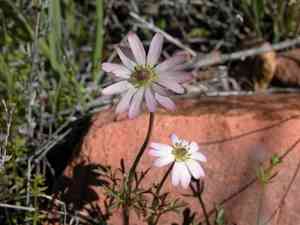
The most suitable period for relocating tuber anemone is between late autumn and mid-winter, enabling the plant to acclimate prior to its spring development. Confirm its placement in a site with good drainage and partial shade for optimal flourishing. Provide hydration solely when essential to avert root decay.
What Preparations are Needed Before Transplanting Tuber Anemone?
What is the Ideal Time for Transplanting Tuber Anemone?
The best period for relocating tuber anemone, a perennial, is from late autumn to early winter. This timing benefits the plant by allowing root development during dormancy, leading to vigorous spring growth. Additionally, cooler temperatures minimize transplant shock, ensuring healthier progress.
How Much Space Should You Leave Between Tuber Anemone Plants?
When moving tuber anemone, aim for a separation of 12-18 inches (30-45 cm) between plants. This provides them with sufficient room to develop and flourish without competing for nutrients and sunlight.
What is the Best Soil Mix for Tuber Anemone Transplanting?
Prepare well-draining soil enriched with organic material, such as compost, to support tuber anemone's development. Loamy soil with a slight acidity (pH 6-7) is optimal. A balanced base fertilizer with a 10-10-10 N-P-K ratio can be incorporated into the soil before planting.
Where Should You Relocate Your Tuber Anemone?
Select a new location that receives at least 6 hours of full sunlight daily. Tuber anemone thrives in bright spots, which promotes robust growth and more vibrant blooms. Ensure the area is not shaded by trees or structures.
What Equipments Should You Prepare Before Transplantation Tuber Anemone?
Gardening Gloves
To safeguard your hands while handling soil and plants.
Shovel or Spade
For digging and creating holes in the ground.
Garden Trowel
For more precise digging and managing small plants.
Watering Can or Hose
To hydrate the plant before and after relocation.
Mulch
To help retain moisture and regulate soil temperature around the plant.
Stakes or Supports
To provide stability if the plant requires assistance after transplanting.
How Do You Remove Tuber Anemone from the Soil?
How Do You Remove Tuber Anemone from the Soil?
From Ground: First, moisten the tuber anemone plant to dampen the soil. Then, dig a wide trench around the plant using a shovel or spade, ensuring the plant's root ball remains intact. Carefully work the spade beneath the root ball to lift the plant from its original spot.From Pot: Water the tuber anemone plant thoroughly. Turn the pot on its side and gently tap or squeeze the sides to loosen the soil. Carefully slide the plant out, holding the base of the stem and ensuring the root ball stays intact.From Seedling Tray: Water the tuber anemone seedling before removal. Use a garden trowel or your fingers to gently lift the seedling out, ensuring you take a good amount of soil with the roots. Handle the seedling by the leaves to avoid damaging the stem.
Step-by-Step Guide for Transplanting Tuber Anemone
Site Preparation
Ensure the new location's soil is well-prepared and loosened. Create a hole that is twice the size of the plant's root ball.
Plant Placement
Place the tuber anemone plant into the hole, ensuring the top of the root ball is level with the surrounding soil. Backfill the hole with soil, gently firming it around the roots to eliminate air pockets.
Watering
Thoroughly water the newly transplanted tuber anemone to settle the soil around the roots. Be gentle to avoid dislodging the plant.
Mulching
Apply a layer of mulch around the base of the plant to help retain moisture and regulate soil temperature, but keep it away from the stem to prevent rot.
Support
If necessary, use stakes or other supports to stabilize the tuber anemone plant until it establishes strong roots.
How Do You Care For Tuber Anemone After Transplanting?
Watering
Keep the soil around the tuber anemone consistently moist, but not waterlogged, for the first few weeks after transplanting to help establish strong roots.
Monitoring
Regularly check the plant for signs of stress, such as wilting or yellowing leaves, and adjust care as needed.
Feeding
After the initial transplant shock has passed, typically a few weeks, consider feeding the plant with a balanced fertilizer to encourage growth.
Weeding
Keep the area around the tuber anemone free of weeds to reduce competition for nutrients and water.
Troubleshooting Common Issues with Tuber Anemone Transplantation.
When is the best time to transplant tuber anemone?
Late fall to mid-winter is ideal for transplanting tuber anemone, promoting root establishment before spring.
How much space should I leave between tuber anemone plants?
Space tuber anemone plants 12-18 inches (30-45 cm) apart to allow for healthy growth and air circulation.
How should I prepare the soil for transplanting tuber anemone?
Ensure the soil is well-draining and enriched with organic matter to support tuber anemone's growth.
What size hole should I dig for tuber anemone?
Dig a hole approximately twice the width of the root ball to comfortably accommodate tuber anemone.
How deep should tuber anemone be planted?
Plant tuber anemone at the same depth it was growing previously to avoid stress and promote stabilization.
How often should I water tuber anemone after transplanting?
Water tuber anemone thoroughly after transplanting and keep the soil consistently moist but not waterlogged afterward.
What if the leaves turn yellow after transplanting tuber anemone?
Yellowing leaves may indicate transplant shock. Provide shade, consistent moisture, and avoid fertilizing immediately.
Can I transplant tuber anemone on a windy day?
Avoid transplanting tuber anemone on windy days, as strong winds can dry out and damage the fragile transplant.
How do I protect tuber anemone from frost after transplanting?
Use mulch to insulate the soil and cover tuber anemone with a frost cloth to protect from sudden freezes.
Should I fertilize tuber anemone immediately after transplanting?
Avoid fertilizing immediately after transplanting tuber anemone. Wait until you see new growth signaling establishment before feeding.



