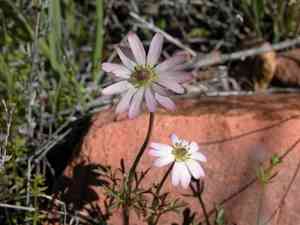
Tuber anemone (Anemone tuberosa)
Also known as: Desert Anemone
Anemone tuberosa thrives in dry, open woodlands, grasslands, and rocky terrains. It is a member of a species complex consisting of 6 to 9 species native to regions spanning from the southwestern and central USA to South America. These plants generally develop tubers or caudex-like structures.
In This Article
Attributes of Tuber anemone
Lifespan
Perennial
Plant Type
Herb
Plant Height
0 mm to 91 cm
Spread
Not typically described by crown diameter as it is more of a clump-forming plant rather than tree-like.
Leaf Color
Green
Flower Size
2-5 cm
Flower Color
White to pale pink
Images of Tuber anemone
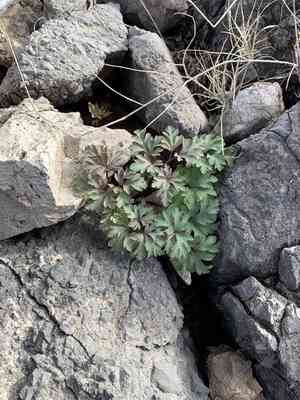
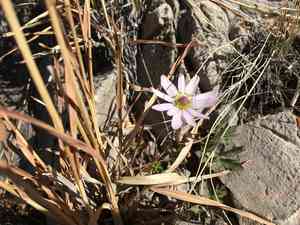
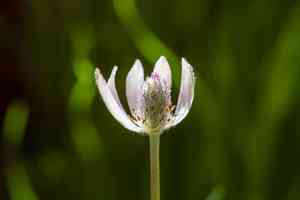
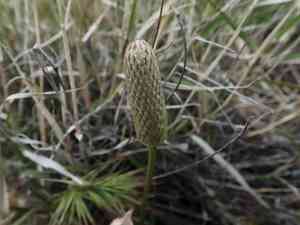
Quickly Identify Tuber anemone
1
To identify Anemone tuberosa, look for its distinctive cup-shaped flowers that bloom in spring. The flowers are typically white or pale pink, and the plant produces tuberous roots.
Scientific Classification of Tuber anemone
Phylum
Vascular plants
Class
Dicotyledons
Order
Ranunculales
Family
Buttercup
Genus
Windflowers
Species
Tuber anemone
Planting and Growing of Tuber anemone
Care Difficulty
Easy
Watering Schedule
Every 2 days
Sunlight Requirements
Full sun
Sunshine Duration
6-10 hours
Ideal Temperature
60-75℉
Soil Type
Potting Mix, Peat Mix
Soil pH
6.5-7.5
Fertilizer Type
Balanced
Pruning Season
Spring, Summer
Pruning Area
Branches, Leaves
Pruning Frequency
2 times a year
Repotting Season
Spring
Pot Type
Terracotta, Plastic
 How to Water Tuber anemone?
For Anemone tuberosa, the watering amount should ensure that the soil is thoroughly moistened without becoming waterlogged. The aim is to water deeply so that the moisture reaches the roots but the soil should be allowed to dry out considerably between each watering session.
What are the symptoms of an underwatered Tuber anemone?
›
What should I do if my Tuber anemone is not getting enough water?
›
What are the symptoms of an overwatered Tuber anemone?
›
How to save an overwatered Tuber anemone?
›
 What Are the Sunlight Requirements for Tuber anemone?
Anemone tuberosa thrives best in partial to full sun conditions. Adequate light exposure supports its lush growth, vibrant blooms, and maintains its resilience against diseases.
What is the best lighting condition for Anemone tuberosa?
›
How can I ensure my Anemone tuberosa receives optimal light?
›
What benefits does Anemone tuberosa gain from optimal lighting?
›
 What Is the Ideal Temperature Range for Tuber anemone?
Anemone tuberosa thrives best in a moderate temperature environment. An ideal range between 60°F to 75°F is perfect for its optimal growth and development. This range allows the plant to maintain its metabolic processes effectively, leading to healthier foliage and more vibrant blooms.
 What Soil is Best for Tuber anemone?
Anemone tuberosa thrives best in well-drained soil conditions. This allows for the roots to breathe and prevents waterlogging, which can lead to root rot. Ensuring good drainage helps the plant absorb nutrients efficiently, promoting robust growth. Soil with moderate fertility is ideal for Anemone tuberosa, as it provides enough nutrients without overwhelming the plant. Balanced nutrition supports healthy foliage and bright, prolific flowering, enhancing the plant’s ornamental appeal. Incorporating organic matter into the soil can significantly benefit Anemone tuberosa. Organic components such as compost enhance nutrient availability and improve soil structure, providing a nurturing environment for root development and plant vigor.
 How to Fertilize Tuber anemone?
Anemone tuberosa requires modest fertilization amounts due to its tolerance for nutrient-poor soils. Apply liquid fertilizer with low nitrogen content, approximately 5-10 ml per liter of water, to avoid excessive foliar growth.
 How to Prune Tuber anemone?
Begin by inspecting the plant for any dead, diseased, or damaged foliage. Use sharp, clean pruning shears to remove these parts to prevent the spread of disease. Trim back any overgrown branches to maintain a balanced shape, ensuring not to remove more than one-third of the plant at a time. The focus should be on maintaining airflow and light penetration.
More About Pruning Techniques→
 How to Propagate Tuber anemone plant?
1
Choose mature seeds that are free of blemishes. Stratify them by exposing them to a period of cold, mimicking winter conditions to trigger germination, before planting in warm soil.
2
Dig up the plant and carefully separate the tuberous roots at natural divisions, ensuring each section has a growth bud. This process should be done during the dormant period for best results.
3
Sow the stratified seeds about half an inch deep in fertile, well-draining soil. Maintain consistent moisture while avoiding waterlogging to promote germination.
 How to Repot Tuber anemone plant?
1
For Anemone tuberosa, the ideal time to consider repotting is when you notice its growth slowing down or roots growing out of the drainage holes. Spring and autumn are preferred as they coincide with moderate temperatures, reducing stress. If your plant has been in the same pot for a couple of years, it might be time to refresh its growing environment to ensure it gets adequate nutrients.
2
When selecting a new pot for Anemone tuberosa, aim for one that is about one size larger than the current pot with good drainage holes. A pot that is too big can lead to excessive moisture retention and root rot, while one too small can restrict growth. Terra cotta pots are an excellent choice as they allow for better airflow to the roots.
3
Choosing the right soil is crucial for the health of Anemone tuberosa. A well-draining sandy mix is ideal, as it mimics their natural habitat while providing necessary aeration and drainage. This type of soil helps prevent waterlogging and reduces the risk of root rot, allowing your plant to thrive.
Toxicity
Ingestion, Skin contact
WARNING
The judgment on toxicity and danger is for reference only. We DO NOT GUARANTEE any accuracy of such judgment. Therefore, you SHALL NOT rely on such judgment. It is IMPORTANT TO SEEK PROFESSIONAL ADVICE in advance when necessary.
Learn More About Tuber anemone Diseases
Anthracnose
Bacterial Leaf Spot
Bacterial Soft Rot
Crown Gall
Cyst Nematode
Damping-off
Downy Mildew
Drought Stress
Fusarium Wilt
Gray Mold
Leaf Spot
Mosaic
Nutrient Deficiency
Nutrient Toxicity
Powdery Mildew
Root Rot
Root-knot Nematode
Rusts
Sooty Mold
Spider Mites
Temperature Stress
Thrips Damage
White Mold



