How to Prune Tuber anemone?
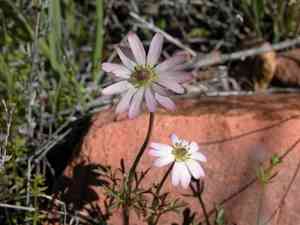
A prominent desert perennial, tuber anemone flourishes with little upkeep. Essential trimming methods include removing faded flowers to encourage fresh development and eliminating any compromised or ailing leaves to preserve the plant's well-being. The best periods for pruning are in late spring or early summer, following the flowering stage. Consistent trimming improves the aesthetic and vitality of tuber anemone, deters excessive growth, and fosters a dense shape. Always sanitize instruments to avert the transmission of pathogens.
Advantages of Trimming Tuber Anemone
Advantages of Trimming Tuber Anemone
Trimming tuber anemone promotes robust development and maintains its desired form. By eliminating old or surplus sections, it redirects vitality to healthier areas, boosting overall vigor and look.
Optimal Time for Trimming Tuber Anemone
Optimal Time for Trimming Tuber Anemone
Trimming tuber anemone in Spring is ideal as it coincides with the period after dormancy, allowing the plant to concentrate energy on new shoot growth, thereby fostering healthier and more vigorous development throughout the growing season. Summer trimming, conversely, is typically performed to remove faded blossoms and any undesirable or overgrown portions. This helps preserve the shape and size of tuber anemone, ensuring adequate sunlight and air circulation throughout the plant, which can aid in disease prevention and stimulate growth for the next season.
Necessary Tools for Trimming Tuber Anemone
Bypass Pruners
Bypass pruners are perfect for making clean cuts on live stems of tuber anemone without crushing them. This helps preserve the plant's health by lowering the risk of disease.
Pruning Snips
Pruning snips or micro-tip snips are excellent for deadheading tuber anemone and trimming small, delicate stems. Their precise blades allow for careful cutting, minimizing harm to nearby flowers or leaves.
How to Trim Tuber Anemone
Identify
Locate and inspect tuber anemone for any indications of diseased or withered leaves, and any diseased stems. Concentrate on areas that appear discolored, limp, or show signs of fungal infection.
Prepare tools
Ready your trimming tools, ensuring they are clean and sharp. Sanitize the blades before starting, especially if previously used on infected plants, to prevent disease transmission.
Trim leaves
Carefully remove diseased and withered leaves from tuber anemone. Use precise snips to cut the leaves at their base near the stem, making sure not to tear or damage healthy parts.
Trim stems
Trim diseased stems by cutting them back to a healthy section, ensuring the cut is made at a node or just above a healthy leaf. This encourages healthier growth and prevents disease spread.
Clean up
Properly dispose of all removed material, away from healthy plants. Clean and sanitize your tools after finishing to minimize disease risks in future trimming sessions.
Common Trimming Errors with Tuber Anemone
Excessive trimming
Removing too much foliage from tuber anemone at once can shock the plant, hindering its growth and reducing its blooming potential. It's vital to moderate the amount removed in a single trimming session.
Incorrect cutting technique
Using dull or unclean shears can result in jagged cuts that make tuber anemone more vulnerable to diseases and pests. Clean, sharp cuts are crucial for the plant's well-being.
Trimming healthy blooms
Accidentally cutting off healthy blossoms instead of just the spent flowers or overgrown parts can diminish the plant's overall blooming and aesthetic.
General Trimming Advice for Tuber Anemone
Selective thinning
Focus on removing only the dead or weak stems of tuber anemone to ensure light and air can reach the plant, promoting stronger growth and healthier blooms.
Shape maintenance
Lightly trim the outermost growth of tuber anemone to maintain its natural form and encourage denser foliage, which enhances its visual appeal and flowering capability.
Post-bloom care
After tuber anemone has finished flowering, trimming the spent flower stems back to a strong set of leaves can encourage more blooms and ensure the plant's energy is directed towards healthy growth.



