How to Transplant Black calabash?
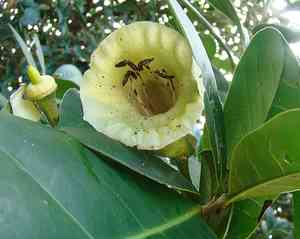
Black calabash, a perennial species, thrives when relocated between late fall and early spring. This period enables its root system to become firmly established prior to the active growth phase. Select a bright spot with soil that drains effectively. Maintain damp soil after transplanting to facilitate improved adaptation.
What Preparations are Necessary Before Relocating Black Calabash?
What is the Optimal Period for Moving Black Calabash?
The best time to move black calabash is from the beginning to the end of winter. This timing allows the plant to establish its root system in cooler soil, minimizing water stress and promoting root development. Relocating black calabash during this season ensures better adaptation before spring's active growth, leading to a healthier, more robust perennial.
How Much Space Should You Provide Between Black Calabash Plants?
When planning to relocate black calabash, ensure each plant has ample room to expand! Aim for a separation of 15-20 feet (4.5-6 meters) between each one. This spacing guarantees sufficient area for their roots and canopy to grow comfortably.
What is the Ideal Soil Mixture for Black Calabash Relocation?
For black calabash, you'll want to prepare well-draining soil rich in organic matter. Incorporating compost into the soil will enhance its fertility. Consider adding a foundational fertilizer high in nitrogen and phosphorus to give your plant a strong start.
Where Should You Replant Your Black Calabash?
Black calabash thrives in sunlight, so select a sunny spot that receives at least 6-8 hours of direct sun daily. This plant flourishes in full sun conditions, aiding its lush and vigorous growth.
What Equipment Should You Prepare Before Relocating Black Calabash?
Gardening Gloves
To safeguard your hands while handling soil and the plant.
Shovel or Spade
For excavating the hole to plant black calabash in its new spot.
Trowel
To assist in digging around the plant's root ball, especially when extracting it from containers or trays.
Watering Can
To hydrate the plant before removal and after replanting.
Pruners
To trim any damaged roots or branches.
How Do You Extract Black Calabash from the Ground?
How Do You Extract Black Calabash from the Ground?
From Ground: First, water the black calabash plant to moisten the soil. Then, dig a wide trench around the plant using a shovel or spade, ensuring the plant's root ball remains intact. Carefully work the spade beneath the root ball to lift the plant from its original position.From Pot: Water the black calabash plant thoroughly to help the soil cohere. Gently invert the pot while supporting the plant with your other hand. Tap the bottom of the pot to release the plant and its root ball. If it's stuck, gently squeeze or tap the pot's sides.From Seedling Tray: Water the tray to make the soil damp and easier to manage. Use a trowel or your fingers to gently scoop under the young plant, ensuring to support its roots and surrounding soil. Lift the plant carefully to avoid harming the delicate root system.
Step-by-Step Guide for Relocating Black Calabash
Hole Preparation
Excavate a hole that is twice as wide and of equal depth to the root ball of your black calabash.
Soil Enhancement
Incorporate some compost or well-decomposed manure into the excavated soil to boost its nutrient content.
Positioning the Plant
Place the black calabash into the hole, ensuring it sits at the same depth as it was in its original location. The top of the root ball should be level with or slightly above the surrounding soil.
Filling the Hole
Backfill the hole with the enriched soil, gently pressing it down to eliminate air pockets.
Watering
Water the plant thoroughly to help settle the soil and minimize transplant shock.
How Do You Care For Black Calabash After Relocation?
Watering
Keep the soil around the black calabash consistently moist, but not waterlogged, for the initial weeks after relocation to aid in establishing strong roots.
Mulching
Apply a layer of mulch around the plant's base to help retain soil moisture and regulate temperature.
Monitoring
Regularly inspect the plant for indications of stress or pest issues. Yellowing leaves, wilting, or stunted growth can signal problems.
Support
Provide support for your black calabash if necessary, such as staking, to shield it from strong winds or other factors while it settles into its new location.
Troubleshooting Common Issues with Black Calabash Relocation.
What is the optimal time to relocate black calabash?
Move black calabash from early to late winter for best growth and reduced stress.
How far apart should black calabash trees be spaced?
Space black calabash trees 15-20 feet (4.5-6 meters) apart for ample growth room.
How deep should I dig the hole for relocating black calabash?
Dig a hole twice as wide and as deep as black calabash's root ball for optimal results.
How to prepare soil for black calabash before relocating?
Loosen the soil and mix in compost to ensure a nutrient-rich environment for black calabash.
What should I do if black calabash leaves wilt post-relocation?
Water black calabash thoroughly and provide some shade to reduce relocation shock and wilting.
Can I relocate black calabash during summer?
Avoid relocating black calabash during summer as high temperatures may increase relocation stress.
Should I prune black calabash before relocating?
Lightly prune black calabash to reduce water loss and ease the transition after relocation.
How often should black calabash be watered after relocating?
Water black calabash every few days initially, then gradually reduce frequency as it establishes.
Is mulch beneficial for black calabash post-relocation?
Yes, apply mulch around black calabash to retain soil moisture and regulate temperature.
How to handle root damage during black calabash relocation?
Trim damaged roots with clean tools and avoid further stress by ensuring proper care post-relocation.



