How to Propagate Black calabash?
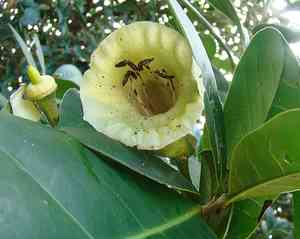
The black calabash flourishes in tropical climates, favoring permeable substrates and exposure to partial or full sun. To propagate, successfully obtain semi-hardwood cuttings from robust specimens. Ensure these cuttings measure approximately 6 inches, strip off the lower foliage, immerse the ends in rooting compound, and embed them in a damp, well-ventilated substrate. Maintain the cuttings in a humid setting, away from direct solar exposure, until root systems emerge. Diligence and attention will lead to prosperous development.
When Is the Optimal Time to Propagate Black Calabash?
Propagation Method
Cutting
Propagation Period
Autumn,Winter
What Equipment Is Used for Black Calabash Propagation?
Pruning Shears
Utilized for taking clean and precise cuttings from the parent plant. Ensures minimal harm to both the parent plant and the cutting, which is vital for successful black calabash propagation.
Rooting Hormone
Aids in initiating root development on the cuttings. Boosts the rate of successful rooting, especially beneficial for black calabash as it can improve cutting viability.
Propagation Tray
Holds the cuttings in a regulated environment. Offers sufficient space and suitable conditions for root development, which is crucial for young black calabash plants to flourish.
Humidity Dome
Maintains elevated humidity levels around the cuttings, preventing desiccation. Essential for reducing water stress on black calabash cuttings and fostering healthy growth.
Sharp Knife
Ensures accurate cuts when trimming cuttings. Helps minimize injury to black calabash cuttings, leading to better chances of successful rooting.
Spray Bottle
Provides a gentle mist to keep cuttings moist without over-saturating. Maintains the correct moisture level for black calabash cuttings, which is vital for root development.
Sterilizing Solution
Used to sanitize pruning tools and propagation equipment. Prevents the introduction and spread of diseases to black calabash cuttings, ensuring healthier propagation outcomes.
Heat Mat
Helps maintain an ideal soil temperature for rooting. Advantageous for black calabash as consistent warmth can enhance root development.
How to Propagate Black Calabash?
Propagation Difficulty
Moderately Difficult
How to Care for Your Newly Propagated Black Calabash?
How to Care for Your Newly Propagated Black Calabash?
Following successful propagation, continue to irrigate black calabash regularly, allowing the soil to dry slightly between waterings. Position the plant in an area with partial to full sunlight. Prune as needed to maintain shape and remove any dead or diseased branches. Fertilize with a balanced slow-release fertilizer during the growing season to encourage robust growth.
Common Errors to Avoid When Propagating Black Calabash
Overwatering
Many gardeners tend to overwater black calabash, which can lead to root rot and impede successful propagation.
Using unsuitable soil
Employing heavy clay or overly dense soil can restrict root growth and reduce oxygen availability, impacting the plant's development.
Insufficient light
Providing inadequate light can result in poor growth and weak seedlings, as black calabash requires ample sunlight for healthy propagation.
Improper plant depth
Planting seeds or cuttings too deep can prevent proper germination or rooting, while planting too shallow can expose them to environmental stressors.
Neglecting pest control
Failing to monitor and manage pests can lead to infestations that damage young plants and hinder their growth.
Tips For Propagating Black Calabash
Water management
Water black calabash adequately but ensure the soil is well-draining to prevent waterlogging and root-related issues.
Soil selection
Utilize a well-draining, sandy-loam soil mix that promotes healthy root development and provides essential nutrients.
Ensuring adequate light
Place black calabash in a location that receives abundant sunlight, or provide artificial grow lights if natural light is insufficient.
Optimal planting depth
Plant seeds or cuttings at the recommended depth to ensure they receive the appropriate contact with soil for germination or rooting.
Pest monitoring
Regularly check for signs of pests and apply appropriate organic or chemical treatments to protect young plants from damage.



