How to Transplant Mauritanian grass?
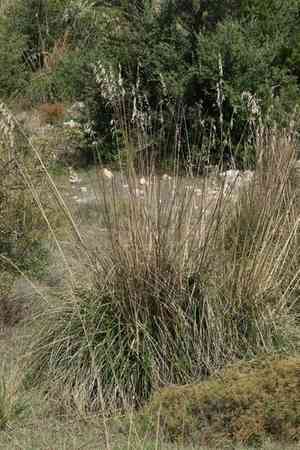
Mauritanian grass flourishes when relocated from the beginning to the middle of spring, which is perfect for its strong rooting. Select a bright area with soil that drains effectively to guarantee peak development and prevent excessive moisture. A minor pruning can assist mauritanian grass in adjusting more readily to its new environment.
What Preparations are Needed Before Transplanting Mauritanian Grass?
What is the Ideal Time for Transplanting Mauritanian Grass?
The prime window for relocating mauritanian grass, a perennial species, spans from early to late spring. This timing enables mauritanian grass to develop strong root systems in warming soil, boosting its growth and vigor. Moving it during this period maximizes survival rates, ensures better moisture retention, and prepares mauritanian grass for the demanding summer months.
How Much Space Should You Leave Between Mauritanian Grass Plants?
When preparing to move mauritanian grass, ensure each plant is spaced approximately 18-24 inches (45-60 cm) apart. This provides ample room for healthy development and prevents nutrient competition.
What is the Best Soil Mix for Mauritanian Grass Transplanting?
For relocating mauritanian grass, prepare soil that drains well, preferably sandy or loamy types. Enrich the soil with a balanced base fertilizer, such as a 10-10-10 (N-P-K) blend, to supply essential nutrients.
Where Should You Relocate Your Mauritanian Grass?
Select a site for transplanting mauritanian grass that receives full sun, meaning at least 6-8 hours daily. This ensures the plant gets sufficient light for optimal growth and health.
What Equipments Should You Prepare Before Transplantation Mauritanian Grass?
Gardening Gloves
To safeguard your hands while handling soil and plants.
Shovel or Spade
For excavating and lifting earth and vegetation.
Trowel
For more precise digging and lifting, especially for smaller plants.
Watering Can or Hose
To hydrate the plant before and after its relocation.
Pruning Shears
To trim any damaged roots or foliage.
Bucket or Container
To temporarily hold the plant if needed during its transfer.
How Do You Remove Mauritanian Grass from the Soil?
How Do You Remove Mauritanian Grass from the Soil?
From Ground: First, moisten the soil around the mauritanian grass plant. Then, dig a wide trench around the plant using a shovel or spade, ensuring the plant's root ball stays intact. Carefully work the spade beneath the root ball to lift the plant from its original spot.From Pot: Lightly water the mauritanian grass plant in its container. Gently tap the pot's sides to loosen the soil, then carefully slide the plant out, taking care to keep the root ball whole.From Seedling Tray: Ensure the mauritanian grass seedlings are well-hydrated before removal. Use a flat tool like a butter knife or plant label to gently lift each seedling from below, keeping roots and surrounding soil intact.
Step-by-Step Guide for Transplanting Mauritanian Grass
Site Preparation
Prepare the new location by digging a hole twice the width of the plant's root ball and of equal depth.
Soil Preparation
Amend the excavated soil with some organic compost. Mix thoroughly to create a fertile environment for the plant.
Plant Placement
Position the mauritanian grass plant in the hole, ensuring it sits at the same depth as in its previous spot. Backfill around the root ball with the amended soil.
Watering In
After placing the plant in its new home, water it thoroughly to help settle the soil around the roots and eliminate air pockets.
Mulching
Apply a layer of mulch around the plant's base. This will help retain moisture and regulate soil temperature.
How Do You Care For Mauritanian Grass After Transplanting?
Watering
Keep the soil around the mauritanian grass consistently moist, but not waterlogged, for the initial weeks post-transplant to aid in root establishment.
Monitoring
Regularly inspect the plant for signs of stress like wilting or yellowing leaves. Adjust watering as needed.
Support
If the plant is tall or top-heavy, consider using stakes or plant ties for extra support until it becomes established.
Pest Control
Watch for pests and treat them promptly if they appear to prevent additional stress on the newly transplanted plant.
Pruning
Remove any damaged or dead foliage to encourage healthy growth.
Troubleshooting Common Issues with Mauritanian Grass Transplantation.
When is the best time to transplant mauritanian grass?
Early to late spring is the optimal period for relocating mauritanian grass for best growth.
How far apart should I space mauritanian grass plants?
For ideal growth, space mauritanian grass plants 18-24 inches (45-60 cm) apart.
How deep should the hole be for transplanting mauritanian grass?
Dig a hole twice the root ball's size to comfortably accommodate mauritanian grass.
What type of soil is suitable for transplanting mauritanian grass?
Well-draining, sandy or loamy soil is perfect for transplanting mauritanian grass to foster healthy root development.
Should I fertilize mauritanian grass after transplanting?
Yes, but use a balanced, slow-release fertilizer to gently support mauritanian grass's growth post-transplant.
How much water does mauritanian grass need after transplanting?
Water mauritanian grass thoroughly after planting, then maintain consistently moist but not waterlogged soil during establishment.
How should I handle mauritanian grass during transplanting?
Handle mauritanian grass with care to avoid root damage; keep the root ball intact during relocation.
How can I protect mauritanian grass from transplant shock?
Minimize transplant shock by watering well, mulching, and avoiding excessive root disturbance during planting.
How long before mauritanian grass establishes after transplanting?
Typically, mauritanian grass takes several weeks to a few months to establish, depending on care and conditions.
What is the best environment for mauritanian grass after transplanting?
Mauritanian grass thrives in full sun to partial shade and in well-drained soil for optimal growth.



