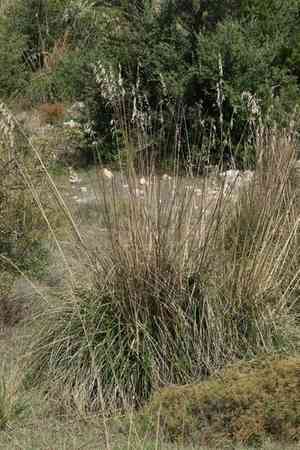
Mauritanian grass (Ampelodesmos mauritanicus)
Also known as: Diss grass, Rope grass
**Ampelodesmos** is a genus of grasses found in the Mediterranean region. Known by several common names, including stramma, Mauritania grass, rope grass, and dis grass, it is uniquely classified in its own tribe, Ampelodesmeae, within the Pooideae subfamily.
In This Article
Attributes of Mauritanian grass
Lifespan
Perennial
Plant Type
Grass
Plant Height
1.5 to 2 meters
Spread
1 to 1.5 meters
Leaf Color
Green
Flower Size
5 to 7 cm
Flower Color
Yellowish
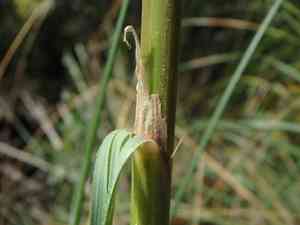
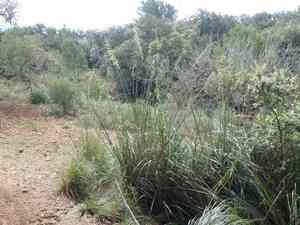
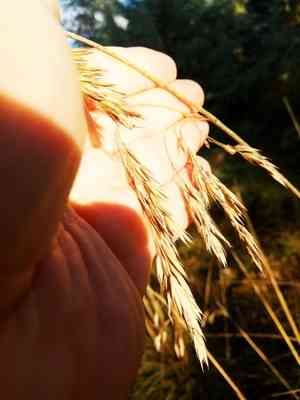
Images of Mauritanian grass
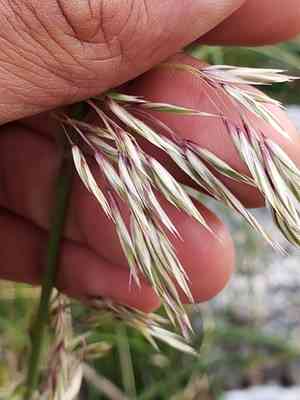
Quickly Identify Mauritanian grass
1
Ampelodesmos mauritanicus can be identified by its tall, dense tufts of leaves which are long, narrow, and tough. The leaves are typically about 1m long, and the plant can produce plume-like inflorescences that rise above the foliage.
Scientific Classification of Mauritanian grass
Phylum
Vascular plants
Class
Monocotyledons
Order
Poales
Family
Grass
Genus
Mauritanian grass
Species
Mauritanian grass
Planting and Growing of Mauritanian grass
Care Difficulty
Easy
Watering Schedule
Every 2 days
Sunlight Requirements
Full sun
Sunshine Duration
6-10 hours
Ideal Temperature
60-75℉
Soil Type
Potting Mix, Peat Mix
Soil pH
6.5-7.5
Fertilizer Type
Balanced
Pruning Season
Spring, Summer
Pruning Area
Branches, Leaves
Pruning Frequency
2 times a year
Repotting Season
Spring
Pot Type
Plastic, Ceramic
 How to Water Mauritanian grass?
Ampelodesmos mauritanicus prefers moderate watering. Ensure the soil stays consistently moist but not soggy. Aim for a well-balanced watering routine where each watering session fully moistens the topsoil to a depth of 2 inches but allows it to dry slightly between waterings. Avoid leaving standing water in the saucer.
What are the symptoms of an underwatered Mauritanian grass?
›
What should I do if my Mauritanian grass is not getting enough water?
›
What are the symptoms of an overwatered Mauritanian grass?
›
How to save an overwatered Mauritanian grass?
›
 What Are the Sunlight Requirements for Mauritanian grass?
Ampelodesmos mauritanicus prefers full to partial sun, ideally receiving 6 to 10 hours of light daily. Such conditions bolster its photosynthetic processes, supporting vigorous growth and overall plant health.
How much sun does Ampelodesmos mauritanicus need?
›
What are some solutions to achieve ideal lighting?
›
What are the benefits of ideal lighting for this plant?
›
 What Is the Ideal Temperature Range for Mauritanian grass?
Ampelodesmos mauritanicus thrives in temperatures ranging from 60°F to 75°F. This range provides the optimal conditions for growth, allowing the plant to efficiently photosynthesize and absorb nutrients. Maintaining this temperature ensures robust development and vibrant foliage.
 What Soil is Best for Mauritanian grass?
Ampelodesmos mauritanicus thrives in well-draining soils where water can easily move through. This minimizes root rot and other water-related plant issues, ensuring the plant remains healthy and vibrant. This plant benefits from nutrient-rich soil, which provides the necessary elements for robust growth. The presence of organic matter boosts soil fertility, giving the plant access to essential nutrients for development. The soil should maintain moderate humidity levels, balancing moisture retention and air flow. This aids in maintaining a stable root environment, particularly important during dry spells or heavy rainfall.
 How to Fertilize Mauritanian grass?
For Ampelodesmos mauritanicus, it's important to be moderate with fertilizer. During the growth season, use a 10-10-10 balanced liquid fertilizer diluted to half-strength, about 2 tablespoons per gallon of water.
 How to Prune Mauritanian grass?
To prune Ampelodesmos mauritanicus, start by removing any dead, damaged, or diseased stems to maintain the plant's health. Next, trim back side shoots to encourage a more open structure, allowing light and air to penetrate the center of the plant, which can help reduce disease risk. Shaping Ampelodesmos mauritanicus can be done by carefully pruning the outer edges to form a rounded silhouette. This will enhance the plant's aesthetic appeal and ensure that it fits well into your garden design. Be sure to step back frequently to assess the overall shape as you prune.
More About Pruning Techniques→
 How to Propagate Mauritanian grass plant?
1
Collect seeds from mature Ampelodesmos mauritanicus plants. Fill a seed tray with a well-draining soil mix, and lightly press the seeds into the soil. Cover them with a thin layer of soil and water gently.
2
Select mature clumps of Ampelodesmos mauritanicus for division. Use a sharp spade or knife to carefully separate the clumps into smaller sections, ensuring each section has roots attached. Replant immediately in a prepared location.
3
Once the seeds have germinated, ensure they receive adequate sunlight. Keep the soil consistently moist but not waterlogged. Transplant the seedlings into larger pots as they grow to avoid overcrowding.
 How to Repot Mauritanian grass plant?
1
Ampelodesmos mauritanicus typically signals its need for repotting when you notice that its roots start to circle the pot or emerge from the drainage holes. A good time for this task is during the growing seasons of spring or autumn, when the plant can recover quickly from the stress of moving.
2
When selecting a new pot, aim for one that is just a couple of inches larger in diameter than the current one. This allows some extra room for root expansion without overwhelming the plant with excess soil, which can retain too much moisture, potentially leading to root rot.
3
Opt for a well-draining sandy soil mix, which will support the plant’s native habitat requirements. High drainage is essential to prevent waterlogging. Incorporate sand or perlite to enhance the soil structure, ensuring adequate air flow to the roots.



