How to Prune Mauritanian grass?
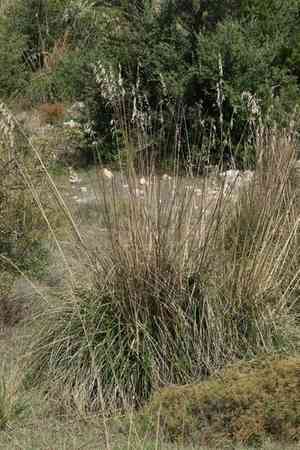
Mauritanian grass, a towering, enduring grass species, flourishes in dry environments and is recognized for its vigorous development. Trimming ought to be carried out in the initial part of spring or during winter to control its dimensions and foster more robust, thicker leaves. Prompt trimming guarantees the elimination of aged, lifeless matter, which improves air movement and lowers the likelihood of illness. This upkeep not only boosts the plant's visual attractiveness but also aids its strong development in the subsequent period.
What Are the Advantages of Trimming Mauritanian Grass?
What Are the Advantages of Trimming Mauritanian Grass?
Trimming mauritanian grass encourages robust development and preserves its form, which is vital for maximizing space and light exposure. Consistent cutting back helps manage size and fosters healthier, thicker foliage.
When Is the Optimal Time for Trimming Mauritanian Grass?
When Is the Optimal Time for Trimming Mauritanian Grass?
Trimming mauritanian grass in early spring is ideal as it aids in removing any damaged or dead foliage that may have occurred during the winter, promoting healthier and more vigorous growth as temperatures begin to rise. This timing also prevents cutting back mauritanian grass during its active growing season, ensuring that the plant maintains its energy reserves for optimal growth and development. Winter pruning is similarly advantageous as mauritanian grass is likely in a dormant state during this period. This minimizes stress on the plant and reduces the risk of disease transmission through fresh cuts, as most pests and pathogens are less active in cold weather. Additionally, the lack of foliage during winter provides better visibility and access for a thorough and precise pruning session.
What Tools Are Necessary to Trim Mauritanian Grass?
Bypass Pruners
Perfect for making neat and accurate cuts on the slender, younger stems of mauritanian grass. These tools inflict less damage to plant tissues, encouraging healthier regrowth.
Hedge Shears
Effective for shaping and maintaining the dense foliage of mauritanian grass, allowing for even and rapid trimming of larger areas.
Loppers
Suitable for cutting thicker, woodier stems that bypass pruners cannot handle, ensuring a clean cut without damaging the plant.
Manual Grass Sickle
Useful for managing and cutting through the grass-like leaves of mauritanian grass, especially in tighter spaces where larger tools are impractical.
How to Trim Mauritanian Grass
Preparation
Gather the appropriate tools including sharp pruning shears or scissors and wear gardening gloves for protection. This will help ensure a clean cut and prevent the spread of any plant diseases.
Identify
Inspect mauritanian grass for diseased or withered leaves. Look for leaves that appear brown, yellow, or have spots, which might suggest fungal infection or dehydration.
Sanitize
Sanitize the cutting tools with a solution of 1 part bleach to 9 parts water or use rubbing alcohol. This step is crucial to prevent the spread of disease from infected parts of mauritanian grass to healthy areas.
Trim
Carefully remove the diseased and withered leaves by cutting them at their base, close to the main stem. Ensure cuts are made at a slight angle to promote water runoff and avoid damage to the healthy tissue.
Disposal
Dispose of the trimmed leaves properly. Do not compost them as diseased or withered material may harbor pathogens or pests. Seal in a plastic bag and remove from the vicinity of healthy plants to avoid reinfection.
Common Trimming Errors with Mauritanian Grass
Over-trimming
A frequent error is removing too much foliage from mauritanian grass, which can stress the plant and lead to poor growth or reduced vitality. This species benefits from a lighter touch to maintain its natural shape and density.
Improper tool use
Using dull or unclean pruning tools can harm mauritanian grass's stems, potentially causing uneven cuts that poorly heal and invite pests or diseases.
Trimming at the wrong time
While specific seasonal timing is excluded, it's crucial to avoid pruning when mauritanian grass is showing signs of stress, such as during extreme weather conditions or immediately after planting, as it can hinder its ability to recover and grow robustly.
General Trimming Advice for Mauritanian Grass
Sanitized tools
Always use sharp, clean pruning shears. This ensures clean cuts that heal quickly, preventing disease and promoting healthier growth.
Selective thinning
Focus on selectively thinning out crowded areas to improve air circulation and light penetration. This helps promote stronger, more vigorous growth in mauritanian grass.
Maintenance pruning
Regularly remove dead or damaged stems to keep mauritanian grass looking tidy and to encourage new growth. This type of pruning also helps in maintaining the plant's natural form without over shaping.



