How to Transplant Panicled false indigo?
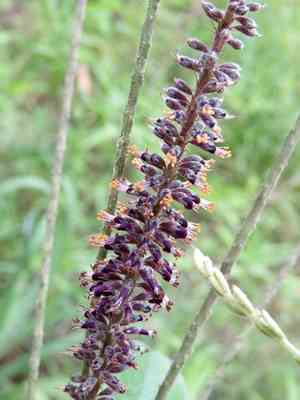
The ideal period for relocating panicled false indigo is between the beginning and end of spring, enabling root establishment prior to the summer season. Choose a spot that receives full sun or partial shade and features soil that drains effectively. Verify that the chosen location satisfies these requirements for the best possible development.
Essential Preparations Before Moving Panicled False Indigo?
What is the Ideal Time for Transplanting Panicled False Indigo?
For panicled false indigo, the best period for relocation spans from early to late spring. This timing allows the plant to establish its root system prior to the summer heat, boosting its chances of survival and vigorous development. Moving it during this season benefits panicled false indigo by offering moderate temperatures and sufficient moisture, vital for its initial establishment.
How Much Space Should You Leave Between Panicled False Indigo Plants?
When relocating panicled false indigo, ensure a spacing of 3-4 feet (0.9-1.2 meters) between them. This provides adequate room for the plants to grow and flourish without crowding, promoting proper air circulation.
What is the Best Soil Mix for Panicled False Indigo Transplanting?
Prepare well-draining soil enriched with organic compost for panicled false indigo. The soil should be fortified with a balanced base fertilizer (e.g., 10-10-10) to support its initial growth. Ensure the pH is neutral to slightly acidic.
Where Should You Relocate Your Panicled False Indigo?
Select a sunny location for moving panicled false indigo. This plant thrives best in full sun, meaning it requires at least 6-8 hours of direct sunlight daily. Ensure nearby plants do not cast significant shade.
What Equipment Should You Prepare Before Relocating Panicled False Indigo?
Gardening Gloves
To safeguard your hands while handling soil and the plant.
Shovel or Spade
For excavating around the plant and preparing the new planting site.
Hand Trowel
To assist with more precise digging and soil movement.
Watering Can or Hose
For keeping the plant hydrated throughout the relocation process.
Pruning Shears
To trim any damaged roots or branches.
Wheelbarrow or Bucket
For transporting the plant if necessary.
Mulch
To aid in retaining soil moisture after planting.
How Do You Extract Panicled False Indigo from the Ground?
How Do You Remove Panicled False Indigo from the Soil?
From Ground: First, hydrate the panicled false indigo plant to moisten the soil. Next, dig a wide trench around the plant using a shovel or spade, ensuring the plant's root ball remains intact. Carefully work the spade beneath the root ball to lift the plant from its original spot.From Pot: Water the panicled false indigo plant thoroughly to help the soil cohere. Gently tilt the pot on its side and tap the bottom to loosen the root ball. Carefully slide the plant out, supporting the root ball with your hand.From Seedling Tray: Water the seedlings to keep the soil intact. Use a hand trowel to gently lift each seedling from the tray, taking care not to harm the roots.
Step-by-Step Guide for Relocating Panicled False Indigo
Planting Hole Preparation
Dig a hole in the new spot that is twice as wide and equally deep as the panicled false indigo's root ball. This allows the roots to spread easily and establish quickly.
Replanting
Place the panicled false indigo plant into the hole, ensuring it sits at the same depth as it was in its initial location. Backfill with soil, pressing gently to remove air pockets.
Watering
Water the plant thoroughly immediately after planting to help settle the soil around the roots.
Mulching
Apply mulch around the base of the panicled false indigo plant to help retain moisture and regulate soil temperature.
How Do You Care For Panicled False Indigo After Relocation?
Watering
Keep the soil around the panicled false indigo consistently moist, but not waterlogged, for the initial few weeks post-transplant to aid in developing strong roots.
Pruning
Remove any dead or damaged branches to encourage healthy growth.
Observation
Regularly inspect the panicled false indigo plant for signs of stress, such as wilting or yellowing leaves, and take appropriate corrective measures.
Pest Control
Monitor for pests and treat promptly if any are discovered to prevent harm to the newly relocated plant.
Addressing Common Issues with Panicled False Indigo Relocation.
When is the best time to transplant panicled false indigo?
Relocate panicled false indigo from early spring to late spring for optimal growth and survival.
How much space should I leave between transplanted panicled false indigo plants?
Space panicled false indigo plants 3-4 feet (0.9-1.2 meters) apart to ensure ample growth room.
How should I prepare the soil before transplanting panicled false indigo?
Loosen the soil to a depth of 10 inches (25 cm) and mix in compost for nutrition.
How do I reduce transplant shock for panicled false indigo?
Water panicled false indigo thoroughly before and after transplanting, ensuring root moisture and minimizing shock.
Is it necessary to prune panicled false indigo before transplanting?
Yes, lightly prune panicled false indigo to remove damaged or excessively long roots and branches before transplanting.
How deep should I plant panicled false indigo during transplanting?
Plant panicled false indigo at the same depth as it was initially growing to avoid stress.
What should I do if panicled false indigo's leaves start wilting after transplanting?
Water regularly and provide shade during the hottest part of the day to reduce wilting.
How often should I water panicled false indigo after transplanting?
Water panicled false indigo every other day for the first two weeks to establish roots firmly.
What type of mulch is best for panicled false indigo after transplanting?
Use organic mulch like straw or wood chips to retain soil moisture and regulate temperature for panicled false indigo.
How can I protect panicled false indigo from pests immediately after transplanting?
Use natural pest repellents like neem oil to protect panicled false indigo from pests post-transplanting.



