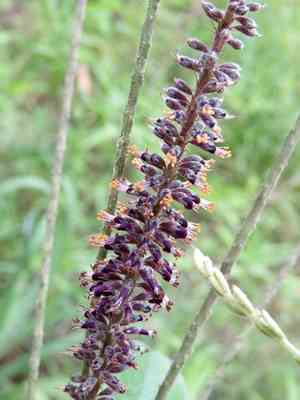
Panicled false indigo (Amorpha paniculata)
Also known as: none
Astilbe is a flowering plant known for its elegant, feathery bloom clusters that resemble panicles. It thrives in well-drained soils, often in partly shaded environments. This plant is characterized by its airy, fern-like leaves and produces vibrant flowers that attract pollinators. Its delicate appearance adds a touch of grace to any garden, despite its hardy nature.
In This Article
Attributes of Panicled false indigo
Lifespan
Perennial
Plant Type
Shrub
Plant Height
1.5 to 3 meters (5 to 10 feet)
Spread
1 to 2 meters (3 to 6 feet)
Leaf Color
Green
Flower Size
Approximately 1 cm
Flower Color
Purple
Images of Panicled false indigo
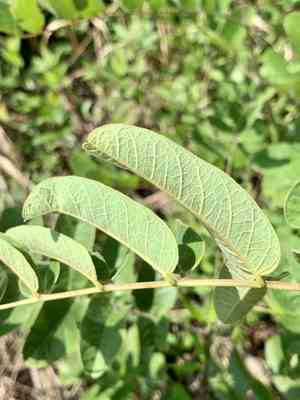
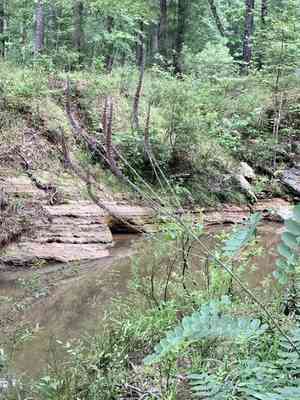
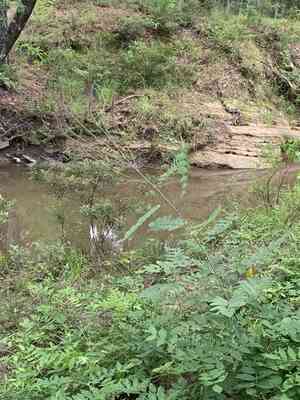
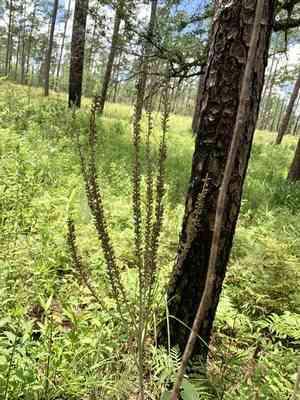
Quickly Identify Panicled false indigo
1
Look for a medium-sized shrub with compound leaves and small, densely-packed purple flowers. The plant also has a distinctive panicle inflorescence.
Scientific Classification of Panicled false indigo
Phylum
Vascular plants
Class
Dicotyledons
Order
Fabales
Family
Legume
Genus
False indigos
Species
Panicled false indigo
Planting and Growing of Panicled false indigo
Care Difficulty
Easy
Watering Schedule
Every 2 days
Sunlight Requirements
Partial sun
Sunshine Duration
4-8 hours
Ideal Temperature
60-75℉
Soil Type
Potting Mix, Peat Mix
Soil pH
6.5-7.5
Fertilizer Type
Balanced
Pruning Season
Spring, Summer
Pruning Area
Branches, Leaves
Pruning Frequency
2 times a year
Repotting Season
Spring
Pot Type
Plastic, Ceramic
 How to Water Panicled false indigo?
Amorpha paniculata requires enough water to keep the soil consistently moist but not soggy. A general rule of thumb is to water until excess moisture starts to drain from the bottom of the pot, ensuring the entire root system receives adequate hydration.
What are the symptoms of an underwatered Panicled false indigo?
›
What should I do if my Panicled false indigo is not getting enough water?
›
What are the symptoms of an overwatered Panicled false indigo?
›
How to save an overwatered Panicled false indigo?
›
 What Are the Sunlight Requirements for Panicled false indigo?
Partial sun exposure is crucial for Amorpha paniculata's ideal growth. Uniform lighting promotes lush foliage and boosts blooming, ensuring the plant remains healthy and attractive.
How much light does Amorpha paniculata ideally need?
›
How can I ensure the best lighting conditions for Amorpha paniculata?
›
What benefits will Amorpha paniculata receive from ideal lighting conditions?
›
 What Is the Ideal Temperature Range for Panicled false indigo?
For Amorpha paniculata, the optimal growth temperature range is critical for robust development. Ideally, this plant thrives best within a temperature range of 60°F to 75°F. These temperatures support effective photosynthesis and respiration, ensuring adequate energy production for growth. It's important to maintain consistent temperatures within this range to prevent stress and promote optimal physiological processes.
 What Soil is Best for Panicled false indigo?
Amorpha paniculata thrives in well-drained soil, preventing waterlogging, which can lead to root rot. Ensuring good drainage supports robust root development and healthy plant growth. A nutrient-rich soil composition enhances Amorpha paniculata's growth. Rich soil provides essential nutrients that fuel its vibrant foliage and optimize blooming, promoting an overall healthy plant. Loamy soil offers an ideal balance of clay, silt, and sand, supporting Amorpha paniculata. This texture aids in moisture retention and nutrient availability, ensuring sustained plant vigor.
 How to Fertilize Panicled false indigo?
For Amorpha paniculata, adjust the amount of fertilizer based on its growth stage and environment. Use approximately 10 grams of balanced granular fertilizer per plant, ensuring an even spread around the root zone without direct contact with stems.
 How to Prune Panicled false indigo?
Start by identifying and cutting back any dead, damaged, or crossing branches. Use clean, sharp pruning shears and cut at a 45-degree angle just above a bud, ensuring not to leave stubs. Removing excess foliage can help shape the plant and direct energy to stronger, healthier branches. Thinning cuts are essential for this plant as they help to reduce density, improving air circulation and sunlight penetration. Make cuts at the base of the branch, ensuring you maintain the plant's natural shape and avoiding excessive removal that could stress the plant. For older, leggy plants, consider rejuvenation pruning to stimulate vigorous growth. This involves cutting back the plant to 12-24 inches above the ground in late winter or early spring, setting the stage for robust new growth when the growing season begins.
More About Pruning Techniques→
 How to Propagate Panicled false indigo plant?
1
Seeds should be sown in well-draining soil mix in seed trays. It's vital to cover them lightly with soil, and keep the medium consistently moist but not waterlogged to encourage germination.
2
For cuttings, select healthy, non-flowering shoots. Use a sterilized knife to cut at a 45-degree angle just below a node. Remove the lower leaves to prevent rot and improve water absorption.
3
To propagate by division, carefully dig up a mature plant. Use a sharp knife to divide the root ball into smaller sections, each containing shoots and roots. Replant immediately to minimize stress.
 How to Repot Panicled false indigo plant?
1
Amorpha paniculata signals the need for repotting when roots begin to emerge from drainage holes, the soil dries out very quickly, or growth seems stunted. Ideally, repotting should be done in the growing seasons of spring or autumn, avoiding the extremes of summer heat or winter cold.
2
Choose a pot that is 2 inches larger in diameter than the current one. This ensures ample space for root expansion without overwhelming the plant, which can lead to water retention issues. Ensure the pot has adequate drainage holes to prevent waterlogged soil.
3
Opt for a well-draining peat mix that allows excess water to flow away. This type of soil simulates the plant's natural habitat, reducing the risk of root rot and providing aeration crucial for healthy growth.
Learn More About Panicled false indigo Diseases
Anthracnose
Bacterial Leaf Spot
Bacterial Wilt
Crown Gall
Cyst Nematode
Damping-off
Downy Mildew
Drought Stress
Fusarium Wilt
Gray Mold
Leaf Spot
Mosaic
Nutrient Deficiency
Nutrient Toxicity
Powdery Mildew
Root Rot
Root-knot Nematode
Rusts
Sooty Mold
Spider Mites
Temperature Stress
Thrips Damage
White Mold



