How to Prune Panicled false indigo?
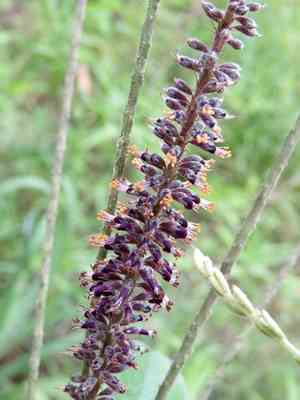
A deciduous bush recognized for its appealing, violet floral spikes and compound foliage, panicled false indigo thrives with early spring trimming. Eliminate any lifeless, injured, or intersecting limbs to preserve its form and stimulate robust development. Trim to create an open core, fostering air movement and diminishing the likelihood of illness. This additionally boosts blooming by directing the plant's vitality toward fresh development. Consistent trimming contributes to peak plant well-being and vivid blossoms.
Advantages of Trimming Panicled False Indigo
Advantages of Trimming Panicled False Indigo
Trimming panicled false indigo is beneficial as it encourages robust development and aids in maintaining the plant's form. Pruning also boosts blooming, manages plant dimensions, enhances aesthetics, and increases resistance to pests and illnesses.
Optimal Period for Trimming Panicled False Indigo
Optimal Period for Trimming Panicled False Indigo
Trimming panicled false indigo in early spring is advisable because it allows the plant to recuperate and generate new growth prior to its blooming phase. During this time, panicled false indigo is in a dormant state, which lessens stress and the likelihood of disease. Early spring trimming also assists in shaping the plant and removing any damaged or diseased branches, fostering overall health and vitality.
Essential Tools for Trimming Panicled False Indigo
Bypass pruners
Perfect for making precise cuts on living stems and branches, crucial for preserving the plant's health and form.
Loppers
Useful for severing thicker branches that are too large for bypass pruners, ensuring you can manage older, more robust growth.
Pruning saw
Required for cutting through larger branches that loppers cannot handle, important for older, more established plants.
Gloves
Shield your hands from thorns and rough branches, ensuring safe handling of the plant during trimming.
How to Trim Panicled False Indigo
Examine
Carefully inspect panicled false indigo to pinpoint all areas requiring trimming, including diseased foliage, withered leaves, dead branches, and infected branches.
Sanitize
Clean and disinfect your trimming tools to prevent disease transmission. Use a solution of one part bleach to nine parts water.
Remove diseased leaves
Snip off any diseased leaves by making clean cuts near the stem without harming healthy sections. Properly dispose of the infected material to prevent re-infection.
Trim withered leaves
Cut away all withered leaves by trimming at the base where they connect to the stem. Ensure that only withered parts are removed while preserving as much of the healthy plant as possible.
Cut dead and diseased branches
Trim dead and diseased branches by making cuts just above a healthy node or branch junction. Ensure each cut is clean and straight to encourage healthy regrowth. Dispose of all trimmed materials to prevent contamination or disease spread.
Common Trimming Errors with Panicled False Indigo
Incorrect technique
Using dull or dirty trimming tools can result in jagged cuts and introduce disease. It's crucial to use sharp, sterilized pruning shears for clean cuts.
Timing mistakes
Trimming at the wrong time, such as during active growth periods, can stress the plant and hinder its development. Trim during the appropriate season to avoid this error.
Excessive trimming
Removing too much foliage at once can weaken the plant, reducing its ability to photosynthesize effectively. Limit trimming to remove no more than 1/3 of the plant's overall size at a time.
Ignoring plant structure
Failing to consider the natural shape and growth pattern of panicled false indigo can lead to an unnatural appearance and reduced flowering. Always take the plant's natural structure into account when trimming.
General Trimming Advice for Panicled False Indigo
Utilize sharp tools
Ensure your trimming shears are sharp and clean. This prevents plant damage and reduces disease risk.
Focus on deadwood
Begin by removing any dead, damaged, or diseased wood. This helps maintain plant health and promotes new growth.
Maintain equilibrium
Trim to preserve a balanced structure. Remove any crossing or rubbing branches to improve air circulation and lessen the risk of fungal infections.
Targeted trimming
When making cuts, do so just above a bud or lateral branch. This encourages new growth in a controlled direction and helps maintain the plant's shape.
Adapt to growth pattern
Understand and work with panicled false indigo's natural growth pattern. Trim to enhance its organic shape rather than forcing an unnatural form.



