How to Transplant Valley redstem?
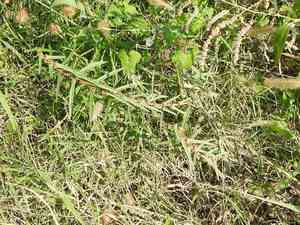
Relocate valley redstem once the threat of cold weather has diminished, generally from the onset of early spring through late spring. Select a sunny spot with damp earth to foster robust development. Gentle handling assists in root establishment.
What Preparations are Needed Before Relocating Valley Redstem?
What is the Ideal Time for Relocating Valley Redstem?
The optimal period for moving valley redstem spans from early spring through late spring. This duration, encompassing the season's gentle onset and its gradual warming, ensures that valley redstem's delicate root system establishes robustly under favorable conditions. Transplanting during this time capitalizes on increasing daylight hours and moderate temperatures, which are vital for root development. It also allows valley redstem to acclimate to its new spot before summer's heat arrives. Additionally, spring rains provide natural hydration, easing the transition and fostering healthy growth. By selecting this opportune moment, you'll give valley redstem the best chance to flourish in its new environment.
How Much Space Should You Leave Between Valley Redstem Plants?
When preparing to rehome valley redstem in your garden, ensure ample room for growth. Position them approximately 12-18 inches (30-46 cm) apart. This spacing will allow their roots to expand and leaves to capture sunlight effectively, promoting vigorous and healthy development.
What is the Best Soil Mix for Valley Redstem Relocation?
For an optimal beginning, valley redstem will thrive in soil that is consistently moist yet drains effectively. A loamy soil composition is perfect. Prior to planting, enrich the soil with a balanced, slow-release fertilizer to supply continuous nutrients as valley redstem matures.
Where Should You Relocate Your Valley Redstem?
Select a bright location for your valley redstem. These plants prefer to be bathed in full sunlight for the majority of the day. A site receiving at least 6 hours of direct sun will ensure your valley redstem displays its most vibrant characteristics.
What Equipments Should You Prepare Before Relocating Valley Redstem?
Gardening Gloves
To safeguard your hands while handling soil and the plant.
Shovel or Spade
For excavating the plant and preparing a new hole in the ground.
Watering Can or Hose
To hydrate the plant before and after relocation to minimize stress.
Pruners or Sharp Knife
To trim any damaged roots or foliage if necessary.
Wheelbarrow or Garden Cart
To move the valley redstem if it's large or if you're relocating multiple plants.
Mulch
To apply around the plant's base after relocation to retain moisture and suppress weeds.
How Do You Remove Valley Redstem from the Soil?
How Do You Remove Valley Redstem from the Soil?
From Ground: First, moisten the valley redstem plant to dampen the soil. Next, excavate a wide trench around the plant using a shovel or spade, ensuring the plant's root ball remains intact. Carefully work the spade beneath the root ball to lift the plant from its original spot.From Pot: Begin by thoroughly watering the valley redstem. Tilt the container to the side and gently tap or squeeze the sides to loosen the soil. Carefully slide the plant out, being cautious not to pull on the stems or leaves.From Seedling Tray: Hydrate the soil of the valley redstem seedling to facilitate smoother removal. Use a spoon or a small gardening tool to gently scoop out each seedling by lifting from under the root ball.
Step-by-Step Guide for Relocating Valley Redstem
Prepare the New Location
Dig a hole that is twice as wide and equally as deep as the valley redstem's root ball.
Inspect the Root Ball
Before placing the valley redstem in its new hole, examine the root ball. Trim any broken or excessively long roots.
Positioning the valley redstem
Place the valley redstem in the center of the hole, ensuring it is upright and at the same depth it was previously growing.
Backfill the Hole
Fill the hole with soil around the roots, gently firming as you go to eliminate air pockets.
Water Thoroughly
Once the valley redstem is in place, water it well to settle the soil and hydrate the roots.
Apply Mulch
Spread a layer of mulch around the base of the valley redstem, being careful not to pile it against the stem, to conserve moisture and regulate soil temperature.
How Do You Care For Valley Redstem After Relocation?
Watering
Keep the soil around the valley redstem consistently moist, but avoid overwatering or allowing the soil to completely dry out.
Observation
Monitor the valley redstem for indications of relocation shock, such as wilting leaves, and address them as necessary.
Adjust Mulch and Soil
Check the mulch and soil frequently to ensure proper moisture retention and to make adjustments if needed.
Protection
Shield the valley redstem from harsh weather conditions, such as heavy rainfall or intense afternoon sun, during its initial adjustment period.
Troubleshooting Common Issues with Valley Redstem Relocation.
Why is my valley redstem not thriving after relocation?
Ensure proper spacing at 12-18 inches (30-45 cm) to give each plant room to grow and verify they are planted in a location with ample sunlight and moist soil.
When is the best time to relocate valley redstem seedlings?
Relocate valley redstem during the optimal window from early to late spring, utilizing cooler temperatures and increased moisture for root establishment.
Can I relocate valley redstem in the summer or fall?
Relocating valley redstem in summer or fall might stress the plant due to less ideal conditions; adhere to the recommended spring timeframe.
Do valley redstem require special soil conditions after relocation?
Amend the soil with organic matter to retain moisture and ensure it's well-draining. Valley redstem thrives in full sunlight and moist conditions.
Should I water valley redstem immediately after relocation?
Yes, water valley redstem thoroughly after relocation to settle the soil around the roots and aid recovery from transplant shock.
How deep should I plant valley redstem when relocating?
Dig a hole as deep as the root ball and twice as wide to ensure roots can easily spread out without crowding.
What are signs of relocation shock in valley redstem?
Wilting, yellowing leaves, or stunted growth indicate relocation shock. Counteract by ensuring proper watering, spacing, and avoiding harsh sunlight initially.
How do I protect relocated valley redstem from pests?
Keep the area free of debris and use organic pest deterrents if necessary. Healthy, well-spaced plants are less prone to infestation.
Can I use mulch around newly relocated valley redstem?
Yes, mulch helps retain soil moisture and regulates temperature. Apply a 2-3 inch (5-7.5 cm) layer, leaving some space around the stem.
Why are my valley redstem seedlings wilting after relocation?
Wilting may be due to root disturbance or insufficient watering. Ensure a gentle relocation process and maintain even soil moisture.



