How to Prune Valley redstem?
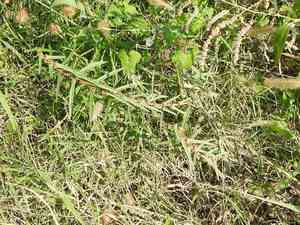
Valley redstem, recognized for its vivid crimson stalks and abundant leaves, flourishes with consistent trimming. Essential pruning techniques involve reducing dense stems and removing faded flowers to foster a more compact form and extend the blooming period. It is most effectively carried out from spring to early autumn to coincide with periods of active development. Pruning benefits valley redstem by preserving an attractive form, enhancing well-being, and guaranteeing robust development. Meticulous elimination of any ailing or compromised sections is vital to avert the dissemination of pests or illnesses.
What Are the Benefits of Pruning Valley Redstem?
What Are the Benefits of Pruning Valley Redstem?
Trimming valley redstem promotes robust development and maintains its desired form. This targeted cutting eliminates dead or weak stems, encouraging stronger, healthier new growth and ensuring the plant keeps an attractive shape.
What Is the Best Time for Pruning Valley Redstem?
What Is the Best Time for Pruning Valley Redstem?
Pruning in Spring allows valley redstem to recover and grow vigorously during its active growth phase, as this period precedes the main growing season. In Late Summer, cutting back can help reinvigorate valley redstem after the first flush of growth and stimulate a new phase of energy for continued vibrancy. Early Fall pruning should be minimal and focused on removing spent flowers or seed heads to prevent self-seeding and encourage more blooms in the following season. Avoid heavy pruning late into Fall, as this can interfere with the establishment of valley redstem's dormancy period. During these optimal seasons, pruning contributes to the plantâs health by enhancing air circulation and reducing potential disease, while also maintaining a desirable shape and size, thus ensuring the plant's vitality and aesthetic appeal.
What Tools Do I Need to Prune Valley Redstem?
Bypass Pruners
Perfect for making clean cuts on valley redstem, bypass pruners are effective for trimming stems and removing faded flowers. Their scissor-like action avoids crushing the plant's delicate tissues, fostering healthier regrowth.
Snips
For detailed tasks like thinning or shaping valley redstem, snips are excellent. Their short blades enable precise trimming without harming adjacent stems.
Gardening Gloves
Although not a cutting tool, gloves protect hands from potential irritation while pruning valley redstem and offer a better grip on tools.
Shears
When shaping valley redstem or managing larger sections simultaneously, shears provide the ability to make quick, sweeping cuts. Ideal for when the plant becomes dense and needs shaping.
How to Prune Valley Redstem
Clean tools
Before pruning valley redstem, ensure all pruning tools are clean and sharp to prevent disease spread and make precise cuts.
Identify
Carefully inspect valley redstem to locate all withered leaves. These are typically discolored, dry, or shriveled, and no longer contribute to the plant's growth.
Cut
Using the prepared tools, carefully cut the withered leaves from valley redstem at their base, close to the main stem or branch, without harming healthy parts of the plant.
Dispose
Remove all cut withered leaves from the area around valley redstem to prevent any potential disease or pests from affecting the plant.
Inspect
After pruning, inspect valley redstem to ensure all withered leaves have been removed and the plant maintains a healthy structure for optimal growth.
Common Pruning Mistakes with Valley Redstem
Over-pruning
Removing too much growth at once can stress valley redstem, potentially leading to reduced vigor and fewer flowers.
Blunt Tools
Using dull or unclean pruning tools can cause jagged cuts that may lead to infections and poor healing on valley redstem stems.
Unnecessary Hard Pruning
Valley redstem may not require drastic cutting back. Doing so can limit its natural shape and reduce its ornamental value.
Ignoring Dead/Diseased Wood
Failing to remove dead or diseased growth can hinder valley redstem's overall health and aesthetic appeal.
Stripping the Base
Removing the lower leaves and shoots can expose the base of valley redstem to pests and diseases when it's unnecessary for this species.
Common Pruning Tips for Valley Redstem
Selective Pruning
Focus on thinning out crowded stems to improve air circulation and light penetration, benefiting valley redstem's health and bloom production.
Sharp Instruments
Use sharp and sterilized pruning shears or scissors to make clean cuts that valley redstem can heal from quickly and efficiently.
Gradual Shaping
Shape valley redstem gradually over the course of the growing season to maintain its natural form and encourage steady growth.
Health Inspection
Regularly inspect valley redstem for dead, diseased, or damaged stems, and prune these away to promote vigorous growth and prevent the spread of disease.
Conservation of Growth Points
When shortening stems, cut just above a growth point or leaf node to encourage valley redstem to produce new shoots and blooms.



