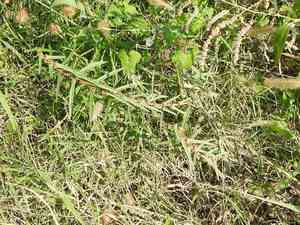
Valley redstem (Ammannia coccinea)
Also known as: Pink redstem, Purple redstem, Scarlet toothcup
The valley redstem (Ammannia coccinea) is named for its characteristic red stems, leaves, and fruit that turn vibrant red in the fall. It thrives along lake and river banks and in mudflats. This plant has a prolonged blooming period, often showcasing flowers and fruit simultaneously. Additionally, it serves as a food source for the common teal.
In This Article
Attributes of Valley redstem
Lifespan
Annual
Plant Type
Herb
Plant Height
20 cm to 61 cm
Spread
30 cm
Leaf Color
Green to reddish-green
Flower Size
6 mm
Flower Color
Pink Purple
Images of Valley redstem
Quickly Identify Valley redstem
1
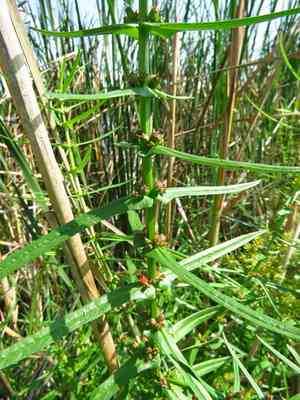
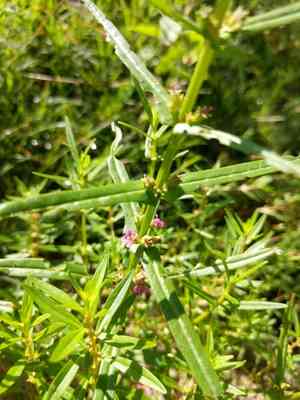
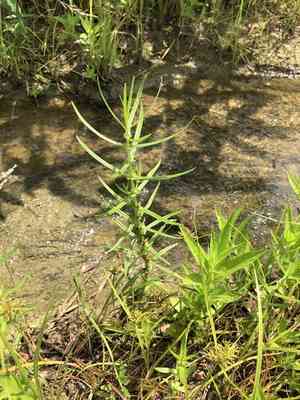
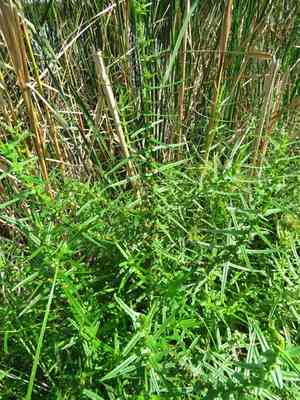
Look for a reddish stem with opposite lanceolate leaves that are often tinged with red. The plant produces small, pink, four-petaled flowers in clusters. It typically grows in wet, marshy environments.
Scientific Classification of Valley redstem
Phylum
Vascular plants
Class
Dicotyledons
Order
Myrtales
Family
Loosestrife
Genus
Redstems
Species
Valley redstem
Planting and Growing of Valley redstem
Care Difficulty
Moderate
Watering Schedule
Every 8 days
Sunlight Requirements
Full sun
Sunshine Duration
6-10 hours
Ideal Temperature
70-86℉
Soil Type
Potting Mix, Peat Mix
Soil pH
6.5-7.5
Fertilizer Type
Balanced
Pruning Season
Spring, Summer
Pruning Area
Branches, Leaves
Pruning Frequency
2 times a year
Repotting Season
Spring
Pot Type
Plastic, Ceramic
 How to Water Valley redstem?
Ammannia coccinea prefers consistently moist soil but not waterlogged. Ensure you provide enough water to moisten the soil thoroughly, usually around 250 milliliters per session, allowing for proper drainage.
What are the symptoms of an underwatered Valley redstem?
›
What should I do if my Valley redstem is not getting enough water?
›
What are the symptoms of an overwatered Valley redstem?
›
How to save an overwatered Valley redstem?
›
 What Are the Sunlight Requirements for Valley redstem?
Ammannia coccinea thrives under partial to full sun, requiring 6 to 8 hours of exposure. Ideal lighting encourages robust foliage and vibrant blooms, enhancing its aesthetic appeal while promoting vigorous growth.
What is the best exposure for Ammannia coccinea?
›
How can one ensure Ammannia coccinea receives optimal light?
›
What are the benefits of ideal lighting for Ammannia coccinea?
›
 What Is the Ideal Temperature Range for Valley redstem?
For optimal growth, Ammannia coccinea thrives best in a warm environment ranging from 70°F to 86°F. This range ensures that the plant's metabolic processes function efficiently, promoting healthy growth and vibrant coloration. Temperatures within this range mimic the plant's natural habitats, allowing it to flourish.
 What Soil is Best for Valley redstem?
Ammannia coccinea thrives in well-drained soil that prevents waterlogging, which can lead to root rot. This ensures the roots have access to oxygen and beneficial microorganisms, contributing to healthier plant growth. Rich, fertile soil is vital for this plant, providing essential nutrients that promote robust growth, vibrant foliage, and plentiful blooms. A nutrient-rich environment is crucial for sustaining its lush appearance. While good drainage is vital, the soil should retain enough moisture to keep the plant hydrated between waterings. This balance supports steady growth without the stress of drought conditions.
 How to Fertilize Valley redstem?
Ammannia coccinea thrives with a balanced approach to fertilization. Use 1/4 strength liquid fertilizer diluted in water, applying it evenly around the base. This ensures the nutrients reach the roots without overwhelming the plant.
 How to Prune Valley redstem?
Begin by inspecting the plant for any dead or diseased branches. Use a pair of clean, sharp pruning shears to cut these unwanted branches back to where healthy wood begins. It's essential to make clean cuts to avoid damaging the plant. Always aim for a 45-degree angle when cutting, which facilitates healing and rain runoff. To shape the Ammannia coccinea, focus on removing excess growth from the top and sides for a uniform appearance. This not only maintains its aesthetic appeal but also prevents the lower part of the plant from being overshadowed, which can lead to poor health and uneven growth.
More About Pruning Techniques→
 How to Propagate Valley redstem plant?
1
Collect seeds from mature Ammannia coccinea plants by allowing the seed pods to dry on the plant. Once dry, gently remove the seeds and store them in a cool, dry place.
2
Choose healthy, disease-free stems. Make a clean cut just below a node to maximize root growth potential. Remove any lower leaves to reduce moisture loss.
3
Place the seeds on the surface of a well-draining soil mix and lightly cover with soil. For cuttings, insert the cutting into moist soil, ensuring that at least one node is below the soil surface.
 How to Repot Valley redstem plant?
1
Ammannia coccinea should be repotted when you notice its roots circling the pot or peeking out from the drainage holes, a clear indication of root-bound conditions. Another sign is when the plant's growth noticeably slows down despite favorable conditions, signaling it lacks sufficient space for root expansion. Spring or early summer is the best time to repot, as the plant is in its most active growth phase, making it more resilient to transplant shock.
2
For Ammannia coccinea, a pot that's one size larger than its current container usually suffices. Ensure it has ample drainage holes to prevent water logging, which can harm the roots. Opting for a terracotta or ceramic pot over plastic can help with moisture regulation, as these materials allow for better evaporation, reducing the risk of overwatering.
3
A rich, loamy soil mix is ideal for Ammannia coccinea, as it provides both the nutrients and drainage needed for healthy growth. This type of soil retains moisture efficiently while preventing the roots from sitting in water. Additionally, it supports healthy microbial activity, which is beneficial for root development and overall plant health.



