How to Transplant Monarch redstem?
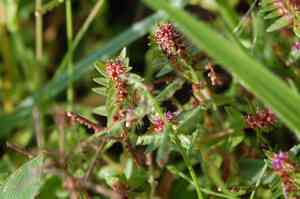
Relocate monarch redstem during its peak growth period, from the end of spring to the beginning of summer, to ensure vigorous establishment. Select sunny, adequately draining locations to support monarch redstem's vitality. A helpful tip: Gradually introduce monarch redstem to external environments to build its hardiness.
What Preparations are Needed Before Transplanting Monarch Redstem?
What is the Ideal Time for Transplanting Monarch Redstem?
The optimal period for moving monarch redstem occurs from the mild warmth of late spring into early summer. This timeframe is characterized by consistent weather, offering stable conditions favorable for root development prior to the peak heat of summer. Relocating monarch redstem then leverages the season's increasing daylight and moderate climate, promoting vigorous growth and ensuring young plants establish well. This timing allows monarch redstem to maximize the upcoming growing season, benefiting from gentle temperatures while avoiding extreme weather challenges like frost or intense heat.
How Much Space Should You Leave Between Monarch Redstem Plants?
When preparing to rehome monarch redstem, ensure each plant has ample room to thrive. Aim for a separation of approximately 6-8 inches (15-20 cm) from adjacent plants. This spacing will provide your monarch redstem sufficient area for robust growth and development!
What is the Best Soil Mix for Monarch Redstem Transplanting?
For a flourishing monarch redstem, prepare a fertile, well-draining soil blend. Consider it a comfortable foundation! Incorporating a balanced, slow-release fertilizer will give them an excellent start. Seek out a product with equal proportions of nitrogen, phosphorus, and potassium.
Where Should You Relocate Your Monarch Redstem?
Your monarch redstem thrives in sunlight! When selecting a site, choose a bright location where gentle morning rays can awaken them. A bit of afternoon shade is acceptable, offering protection from the day's most intense heat.
What Equipments Should You Prepare Before Transplantation Monarch Redstem?
Gardening Gloves
To safeguard your hands while handling soil and plants.
Shovel or Spade
For excavating the plant and the new planting site.
Watering Can or Hose
To hydrate the monarch redstem before and after relocation.
Pruning Shears
To trim any damaged roots or excessive foliage prior to transplanting.
Wheelbarrow or Garden Cart
For moving the monarch redstem from its original spot to the new location.
Measuring Tape
To gauge the root ball's size and the new hole's depth.
Garden Trowel
To assist in refining the hole or extracting the monarch redstem from its container.
Mulch
To apply around the base of monarch redstem after transplanting to retain moisture.
How Do You Remove Monarch Redstem from the Soil?
How Do You Remove Monarch Redstem from the Soil?
From Ground: First, moisten the monarch redstem plant's soil to make it more pliable. Carefully dig a wide circle around the plant with a shovel or spade to avoid cutting into the root system. Once sufficient space is created, slide the tool beneath the root ball and lift the monarch redstem from the ground.From Pot: Ensure the soil is damp before beginning. Turn the pot on its side, support the monarch redstem with one hand, and gently tap the pot's edges or bottom to loosen the plant. Tilt the plant and slide it out while preserving the root ball's integrity.From Seedling Tray: Water the seedlings thoroughly before transplanting. Use a garden trowel or similar implement to carefully extract the monarch redstem from the tray, ensuring the delicate root system remains intact.
Step-by-Step Guide for Transplanting Monarch Redstem
Preparation
Ensure the monarch redstem is adequately watered before starting the transplant process to minimize plant stress and prevent root damage during removal.
Plant Removal
Follow the specific removal procedure, whether 'From Ground', 'From Pot', or 'From Seedling Tray', to safely extract your monarch redstem.
Transplant Hole
Excavate a hole in the new site that is twice as wide and the same depth as the monarch redstem's root ball. Loosen the soil at the bottom of the hole to facilitate easier root spread.
Placing monarch redstem
Position the monarch redstem into the new hole. The top of the root ball should be level with the surrounding soil surface. Make any necessary adjustments to ensure it's seated at the correct depth.
Refill Hole
Carefully backfill the hole with soil around the root ball, gently firming it to eliminate air pockets. Avoid over-compacting the soil, as it needs to remain loose enough for roots to penetrate.
Watering
Thoroughly water the monarch redstem after planting to help settle the soil around the roots and provide essential hydration for recovery.
Mulching
Apply a layer of mulch around the base of the monarch redstem to help retain moisture, maintain consistent soil temperatures, and reduce weed competition.
Observation
Closely monitor your monarch redstem over the subsequent weeks, looking for signs of stress or failure to establish, and address them promptly.
How Do You Care For Monarch Redstem After Transplanting?
Immediate Watering
Right after transplanting, provide your monarch redstem with a deep and thorough watering to help lessen transplant shock and settle any air pockets around the roots.
Regular Monitoring
Check your monarch redstem frequently to ensure it is adapting to its new environment. Watch for any wilting, which could indicate either too much or too little water, or leaf scorch, potentially from excessive direct sun or wind.
Mulching
Maintain a layer of mulch around the monarch redstem, but avoid piling it against the stem or leaves to prevent rot and undesirable pests.
Pruning
Prune only the necessary parts of monarch redstem, removing any dead or damaged branches to encourage healthy new growth.
Troubleshooting Common Issues with Monarch Redstem Transplantation.
Why is my monarch redstem wilting after transplanting?
Wilting may stem from transplant shock. Ensure gentle handling, adequate watering, and minimal root disturbance.
What's the ideal spacing for monarch redstem when transplanting?
Space plants approximately 6-8 inches (15-20 cm) apart for optimal growth and air circulation.
When's the best time to transplant monarch redstem?
For success, transplant during late spring to early summer, avoiding hot or frosty days.
How deep should I plant monarch redstem during transplantation?
Plant monarch redstem at the same depth it was in its previous container, typically not exceeding 2 inches (5 cm) into the soil.
Should I prune monarch redstem before or after transplanting?
Prune dead or damaged sections before transplanting to direct the plant's energy towards root establishment.
How much should I water monarch redstem post-transplant?
Water generously immediately after transplanting and then maintain consistent moisture without overwatering.
Can monarch redstem be transplanted under full sun?
Transplant monarch redstem in a location with partial shade to initially shield it from intense sunlight.
Whatâs the recommended soil for transplanting monarch redstem?
Utilize well-draining soil rich in organic matter to promote robust root development.
How do I know if monarch redstem has transplant shock?
Indicators include wilting, yellowing leaves, and stunted growth. Provide tender loving care and avoid further stressing the plant.
Can I use fertilizer immediately after transplanting monarch redstem?
Wait a few weeks before applying fertilizer to prevent burning delicate, newly forming roots.



