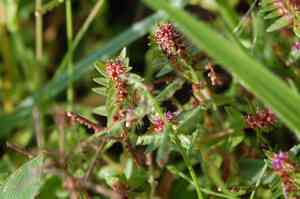
Monarch redstem (Ammannia baccifera)
Also known as: Monk's Pepper, Red Willow
The **Monarch Redstem** is a tropical plant species that thrives in wet soils across Africa, Asia, and the Americas. Its leaves contain a highly acrid substance capable of causing blisters. Rice farmers frequently regard Monarch Redstem as a troublesome weed.
In This Article
Attributes of Monarch redstem
Lifespan
Annual, Perennial
Plant Type
Herb
Plant Height
10 cm to 50 cm
Spread
15-30 cm
Leaf Color
Green
Flower Size
1 mm
Flower Color
Red
Images of Monarch redstem
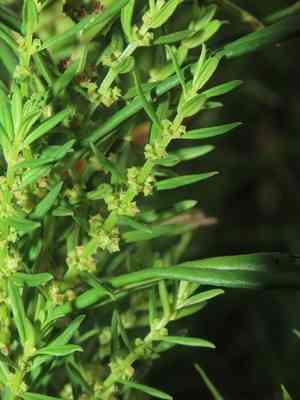
Quickly Identify Monarch redstem
1
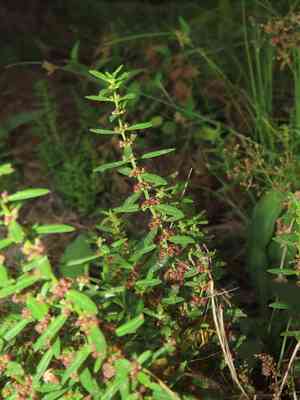
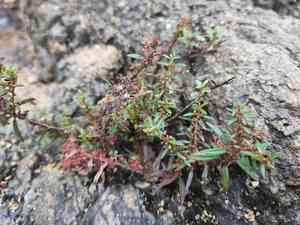
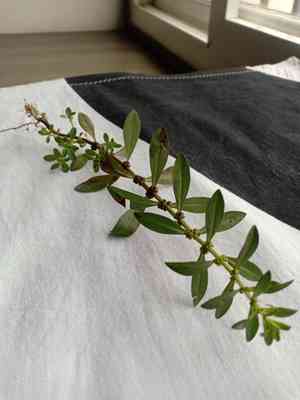
Ammannia baccifera can be identified by its erect stem, opposite leaves, and bright red or pinkish flowers which appear in clusters. The leaves are linear to lanceolate, and the stems are often reddish in color. The fruit is a small, berry-like capsule.
Scientific Classification of Monarch redstem
Phylum
Vascular plants
Class
Dicotyledons
Order
Myrtales
Family
Loosestrife
Genus
Redstems
Species
Monarch redstem
Planting and Growing of Monarch redstem
Care Difficulty
Easy
Watering Schedule
Every 4 days
Sunlight Requirements
Partial sun
Sunshine Duration
4-8 hours
Ideal Temperature
70-80℉
Soil Type
Potting Mix, Peat Mix
Soil pH
6.5-7.5
Fertilizer Type
Balanced
Pruning Season
Spring, Summer
Pruning Area
Branches, Leaves
Pruning Frequency
2 times a year
Repotting Season
Spring
Pot Type
Plastic, Ceramic
 How to Water Monarch redstem?
For Ammannia baccifera, the watering should be plentiful but not excessive; it needs about 250 ml per session. Make sure the water reaches the roots fully, and the soil is moist yet not waterlogged.
What are the symptoms of an underwatered Monarch redstem?
›
What should I do if my Monarch redstem is not getting enough water?
›
What are the symptoms of an overwatered Monarch redstem?
›
How to save an overwatered Monarch redstem?
›
 What Are the Sunlight Requirements for Monarch redstem?
Ammannia baccifera thrives in partial sun, benefiting from balanced sunlight exposure. This ensures healthy photosynthesis, robust leaf color, and optimal plant health.
How much light does Ammannia baccifera need?
›
What is the best environment for its light needs?
›
Why is proper lighting crucial for Ammannia baccifera?
›
 What Is the Ideal Temperature Range for Monarch redstem?
For Ammannia baccifera to thrive, it is ideal to maintain the temperature range between 70°F to 80°F. This range provides an optimal balance for metabolic and photosynthetic activities, ensuring healthy growth and vibrant foliage. Keeping falls and peaks within this range helps the plant to maintain its physiological processes smoothly.
 What Soil is Best for Monarch redstem?
Ammannia baccifera thrives in moist environments, and soil that retains moisture well is crucial. This helps the plant to maintain its lush foliage and vibrant growth by ensuring a consistent water supply without becoming waterlogged. The plant benefits greatly from soil rich in organic matter. A nutrient-dense substrate supports healthy root development and provides essential nutrients that foster vigorous growth and dynamic flowering. While Ammannia baccifera enjoys moist conditions, good drainage is equally important to prevent root rot. Soil with a balanced drainage system ensures the roots remain healthy and free from water-related diseases.
 How to Fertilize Monarch redstem?
When fertilizing Ammannia baccifera, it's important to ensure the nutrient levels are balanced. Use approximately 1 teaspoon of liquid fertilizer per gallon of water. Make sure to apply the fertilizer evenly across the plant's root zone for optimal uptake.
 How to Prune Monarch redstem?
Begin by identifying any dead or damaged stems on your Ammannia baccifera. Use sharp pruning shears to make clean cuts just above a healthy node. Ensure that you remove any stems that are smaller, spindly, or crossing over each other to improve air circulation. Focus on encouraging a bushier, more compact growth by trimming back overgrown stems. This will help maintain its aesthetic appeal and ensure better access to sunlight.
More About Pruning Techniques→
 How to Propagate Monarch redstem plant?
1
Collect seeds from matured Ammannia baccifera pods. Soak them in water for 24 hours to soften the seed coat and improve germination rates before planting them in a seed-starting medium.
2
Select healthy, non-flowering stems, cut them around 4-6 inches long. Dip the cut end in rooting hormone before planting in a sterile rooting medium.
3
Once seedlings have developed a couple of sets of true leaves, gently transplant them to larger pots, taking care to avoid damaging the delicate roots.
 How to Repot Monarch redstem plant?
1
Repotting Ammannia baccifera is ideally done during spring or summer. Indications for repotting include visible roots through drainage holes, stunted growth, or soil that dries out quicker than usual. Observing these signs ensures the plant has adequate space and nutrients to thrive.
2
Choose a pot that is only slightly larger than the current one, preferably with drainage holes. A pot too big can retain excess moisture, leading to root rot. Terracotta pots work well as they allow moisture to evaporate quickly, maintaining optimum soil conditions.
3
Opt for a well-draining sandy loam soil to maintain balance between moisture retention and drainage, essential for Ammannia baccifera. Incorporating perlite or coarse sand ensures that water does not stagnate, reducing chances of soil compaction and ensuring healthy root development.
Toxicity
Ingestion
WARNING
The judgment on toxicity and danger is for reference only. We DO NOT GUARANTEE any accuracy of such judgment. Therefore, you SHALL NOT rely on such judgment. It is IMPORTANT TO SEEK PROFESSIONAL ADVICE in advance when necessary.



