How to Prune Monarch redstem?
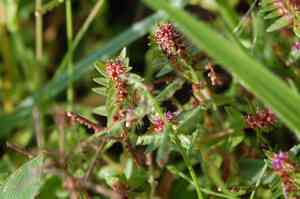
For monarch redstem, a resilient herbaceous perennial known for its vivid stalks, regular trimming improves development and structure. Remove lifeless or frail stems in early spring to stimulate fresh growth. Throughout the summer, moderate pruning preserves the preferred shape and encourages denser foliage. In autumn, cut back to the soil surface, preparing monarch redstem for its dormant phase. Appropriate pruning guarantees strong vitality and visual attractiveness, with well-timed cuts aligning with growth patterns, preventing strain during the cold winter period.
What Are the Benefits of Pruning Monarch Redstem?
What Are the Benefits of Pruning Monarch Redstem?
Trimming monarch redstem promotes robust development and assists in maintaining a desired form. Removing overgrown branches improves air circulation, light penetration, and can boost the plant's overall health and visual appeal.
What Is the Best Time for Pruning Monarch Redstem?
What Is the Best Time for Pruning Monarch Redstem?
Pruning monarch redstem in the Spring is beneficial as it coincides with the start of the plant's active growth phase. This timing allows monarch redstem to quickly recover from cuts and channel energy into producing new growth. Pruning at this time also aids in shaping the plant and fostering a strong structure. Conversely, pruning monarch redstem in the Fall is suitable for upkeep. It involves removing dead or diseased stems, which is crucial for preventing disease spread and pest infestations during the plant's winter dormancy. Fall pruning also prepares monarch redstem for vigorous growth when the growing season resumes. Summer is excluded from optimal pruning seasons because monarch redstem may be under stress due to higher temperatures and is likely focused on flowering or fruiting, which could be negatively impacted by pruning.
What Tools Do I Need to Prune Monarch Redstem?
Bypass Pruners
Perfect for making precise cuts on monarch redstem stems and smaller branches. Their blades glide past each other like scissors, minimizing the chance of crushing delicate stems. Suitable for stems up to 3/4 inch in diameter.
Sharp Scissors
For delicate trimming of monarch redstem when only a small amount of plant material needs to be removed.
Pruning Shears
These are ideal for more accurate shaping of monarch redstem, enabling the gardener to snip away smaller growths with greater control.
Garden Gloves
Protects the gardener's hands from thorns and sap while trimming monarch redstem.
Disinfectant
To prevent the spread of diseases, a disinfectant should be used to clean the tools before and after pruning monarch redstem. This step ensures that the cuts are healthy for the plant.
How to Prune Monarch Redstem
Clean tools
Before trimming monarch redstem, ensure that pruning tools are clean and sharp to prevent disease transmission and to make cleaner cuts.
Identify
Thoroughly inspect monarch redstem to locate all withered leaves that require removal.
Cut
Use precise pruning shears to snip withered leaves at the stem's base, taking care not to harm new growth or healthy tissue.
Dispose
Carefully gather and discard all removed withered leaves from monarch redstem to prevent any potential spread of pests or diseases.
Monitor
After pruning, regularly check monarch redstem for signs of new withered leaves and repeat the process as needed for maintenance.
Common Pruning Mistakes with Monarch Redstem
Overpruning
Cutting back monarch redstem too much can stress the plant, hindering its growth and ability to flower. It is a common mistake to remove more than a third of the plant's foliage at one time.
Dull tools
Using dull pruning shears can damage the stems of monarch redstem, leading to jagged cuts that are susceptible to disease and pests.
Inadequate disinfection
Failing to disinfect pruning tools before use on monarch redstem can introduce pathogens, potentially spreading disease to healthy parts of the plant or other plants in the garden.
Improper cut location
Cutting too far from a bud or node can leave a stub that won't heal properly and increases the risk of disease. Conversely, cutting too close can damage the bud or node itself.
Neglecting dead material
Neglecting to remove dead or dying stems from monarch redstem can restrict future growth and does not allow room for new, healthy growth to emerge.
Common Pruning Tips for Monarch Redstem
Clean cuts
Make sure to use clean, sharp pruning shears to create clean cuts on monarch redstem, which help prevent damage and encourage quick healing of the wounds.
Angled cuts
When pruning monarch redstem, make angled cuts above nodes or buds to ensure water runs off the cut surface, reducing the risk of disease.
Disinfection
Disinfect the pruning tools before and after use on monarch redstem to prevent the spread of diseases between plants.
Selective pruning
Carefully select which stems to prune from monarch redstem, focusing on removing only the dead, damaged, or diseased material to maintain the plant's shape and promote healthy growth.
Encouraging new growth
Prune just above where you want new growth to emerge on monarch redstem. This helps direct the plant's energy to the desired growth points for a full and vibrant plant.



