How to Transplant Oblongfruit serviceberry?
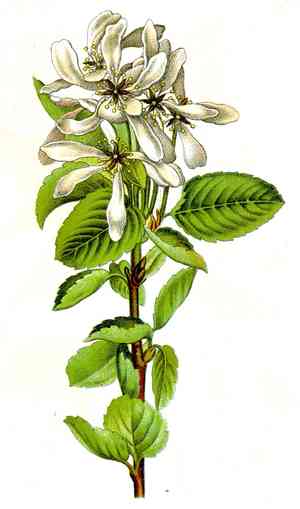
Oblongfruit serviceberry ought to be relocated during the lively period of early to mid-spring while the specimen remains inactive. Confirm a site receiving full sun to partial shade, featuring soil that drains effectively. Proper attention at this stage establishes the basis for robust development.
What Preparations are Needed Before Transplanting Oblongfruit Serviceberry?
What is the Ideal Time for Transplanting Oblongfruit Serviceberry?
The most favorable period for relocating oblongfruit serviceberry, a perennial, is early to mid-spring. During this time, the ground is unfrozen, and soil moisture is plentiful, promoting strong root growth. Transplanting in early to mid-spring allows oblongfruit serviceberry a full growing season to establish itself before the challenging winter months, ensuring a healthier and more robust plant.
How Much Space Should You Leave Between Oblongfruit Serviceberry Plants?
When relocating oblongfruit serviceberry, ensure each plant is positioned 10-15 feet (3-4.5 meters) apart. This distance provides ample room for development and proper air circulation, which helps prevent disease and encourages healthy growth. Spacing is vital for the plant's overall health.
What is the Best Soil Mix for Oblongfruit Serviceberry Transplanting?
Prepare the soil for oblongfruit serviceberry by ensuring it drains well and is rich in organic material. A slightly acidic to neutral pH (5.5-7.0) is optimal. Incorporate compost or a balanced base fertilizer to supply essential nutrients. This foundation will support vigorous root growth and flowering.
Where Should You Relocate Your Oblongfruit Serviceberry?
Oblongfruit serviceberry thrives best in a location with full sun to partial shade. Ideally, select a spot that receives at least 6 hours of sunlight daily. This ensures the plant gets sufficient light for photosynthesis, leading to strong growth and vibrant foliage.
What Equipments Should You Prepare Before Transplantation Oblongfruit Serviceberry?
Gardening Gloves
To safeguard your hands while handling soil and plants.
Shovel or Spade
For excavating the planting hole and extracting the plant from its original spot.
Garden Fork
Helps to loosen the soil around the root ball without causing root damage.
Watering Can or Hose
For hydrating the plant before and after its relocation.
Mulch
To aid in moisture retention and regulate soil temperature post-transplanting.
Wheelbarrow
For moving the plant if it is large or heavy.
Pruners
To trim any damaged roots or branches during the transplanting process.
Measuring Tape
To ensure correct spacing in the new location.
How Do You Remove Oblongfruit Serviceberry from the Soil?
How Do You Remove Oblongfruit Serviceberry from the Soil?
From Ground: First, hydrate the oblongfruit serviceberry plant to moisten the soil. Then, excavate a wide trench around the plant using a shovel or spade, ensuring the plant's root ball remains intact. Carefully work the spade beneath the root ball to lift the plant from its initial position.From Pot: Water the oblongfruit serviceberry plant thoroughly to make the soil easier to manage. Gently tilt the pot on its side and tap the bottom to help dislodge the plant. Support the plant's base and slide it out of the pot, taking care to keep the root ball whole. If the plant is root-bound, use a garden fork to gently loosen some roots.From Seedling Tray: Water the oblongfruit serviceberry seedling gently and allow a few minutes for the water to absorb. Use a small trowel or your fingers to carefully lift each seedling from the tray, ensuring the entire root system is included. Handle seedlings by their leaves, not stems, to prevent harm.
Step-by-Step Guide for Transplanting Oblongfruit Serviceberry
Preparation
Before moving the plant, prepare the new planting site by digging a hole that is twice as wide and equally as deep as the root ball of the oblongfruit serviceberry. Ensure the soil at the bottom is loose to help roots establish easily.
Plant Removal
Follow the appropriate removal procedure for your oblongfruit serviceberry's source (ground, pot, or seedling tray) as previously discussed.
Planting the oblongfruit serviceberry
Place the plant in the new hole at the same depth it was in its original spot. Fill the hole halfway with the excavated soil and water thoroughly to eliminate air pockets. Then fill the remainder of the hole and gently press down the soil around the plant.
Mulching
After planting, apply a 2-3 inch layer of mulch around the base of the oblongfruit serviceberry to help retain moisture and suppress weed growth. Keep mulch a few inches away from the stem to prevent rot.
How Do You Care For Oblongfruit Serviceberry After Transplanting?
Watering
Keep the soil around the oblongfruit serviceberry consistently damp, but not waterlogged, for the initial weeks after transplanting to aid in establishing strong roots.
Pruning
If necessary, trim any damaged or dead branches to help the plant direct its energy towards new growth.
Monitoring
Regularly inspect the oblongfruit serviceberry plant for any indications of transplant shock, such as wilting or yellowing leaves, and adjust watering as needed.
Troubleshooting Common Issues with Oblongfruit Serviceberry Transplantation.
When is the best time to transplant oblongfruit serviceberry?
The ideal period to relocate oblongfruit serviceberry is from early spring to mid-spring for optimal outcomes.
How far apart should I space oblongfruit serviceberry plants?
Position oblongfruit serviceberry plants 10-15 feet (3-4.5 meters) apart to ensure healthy development.
How deep should the hole be for transplanting oblongfruit serviceberry?
Excavate a hole twice the width of the root ball and as deep as the root system.
What type of soil is best for oblongfruit serviceberry?
Well-drained, loamy soil rich in organic matter is perfect for relocating oblongfruit serviceberry.
Should I water oblongfruit serviceberry after transplanting?
Yes, thoroughly water oblongfruit serviceberry after transplanting to help settle the soil around its roots.
How can I reduce transplant shock for oblongfruit serviceberry?
Maintain adequate soil moisture and avoid disturbing the roots to minimize transplant stress.
What is a key sign of transplant shock in oblongfruit serviceberry?
Wilting or yellowing leaves can indicate transplant shock in oblongfruit serviceberry.
Can I use fertilizer when transplanting oblongfruit serviceberry?
Apply a balanced, slow-release fertilizer to support root development without overwhelming the plant.
What mulching materials work well with oblongfruit serviceberry?
Use organic mulch, such as bark or wood chips, to retain moisture and regulate soil temperature.
How much sunlight does oblongfruit serviceberry need after transplanting?
Ensure oblongfruit serviceberry receives full sun to partial shade for optimal growth after relocation.



