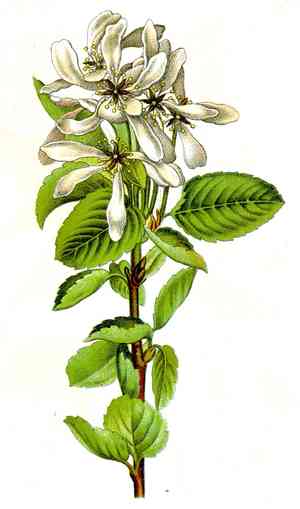
Oblongfruit serviceberry (Amelanchier bartramiana)
Also known as: Mountain serviceberry, Oblongfruit serviceberry
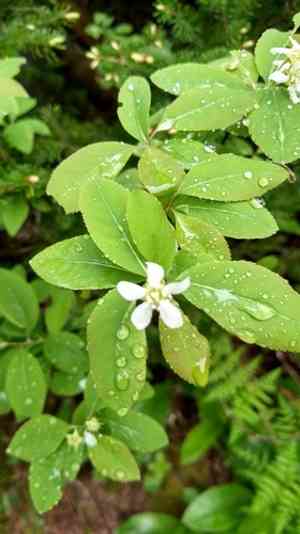
Certainly! The fruit has between 6 to 12 teeth along its edges, with 10 to 16 pairs of lateral veins. The petioles measure 2 to 10 mm in length, and the leaves are either ovate or elliptic in shape. The flowers, which have five white petals, can be found either alone or in groups of up to four. The fruit itself is red initially, maturing to a dark purple and has a pear-like shape. It is edible and can be enjoyed either raw or cooked.
In This Article
Attributes of Oblongfruit serviceberry
Lifespan
Perennial
Plant Type
Tree, Shrub
Plant Height
1.5 m to 1.8 m
Spread
1.5 to 2.5 meters
Leaf Color
Green
Flower Size
2 to 3 centimeters
Flower Color
White
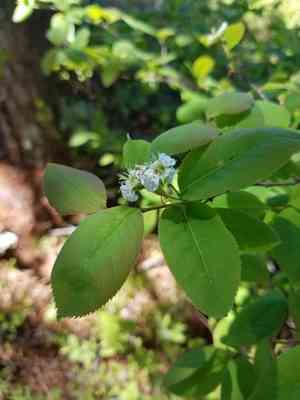
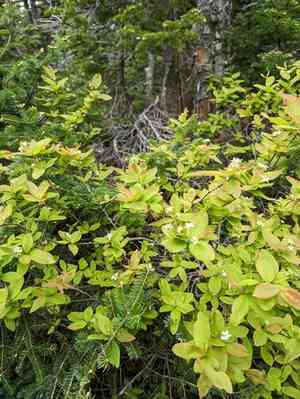
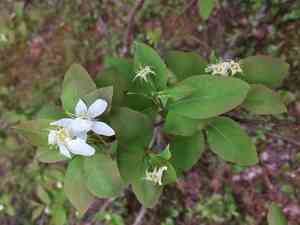
Images of Oblongfruit serviceberry
Quickly Identify Oblongfruit serviceberry
1
The plant can be identified by its oblong to round leaves with finely serrated edges, white flowers with five distinct petals, and small, dark purple berries.
Scientific Classification of Oblongfruit serviceberry
Phylum
Vascular plants
Class
Dicotyledons
Order
Rosales
Family
Rose
Genus
Shadbushes
Species
Oblongfruit serviceberry
Planting and Growing of Oblongfruit serviceberry
Care Difficulty
Easy
Watering Schedule
Every 3 days
Sunlight Requirements
Full sun
Sunshine Duration
6-8 hours
Ideal Temperature
55-75℉
Soil Type
Potting Mix, Peat Mix
Soil pH
6.5-7.5
Fertilizer Type
Balanced
Pruning Season
Spring, Summer
Pruning Area
Branches, Leaves
Pruning Frequency
2 times a year
Repotting Season
Spring
Pot Type
Plastic, Ceramic
 How to Water Oblongfruit serviceberry?
Amelanchier bartramiana requires a well-considered amount of water, with roughly 500 milliliters once per watering session. The principle is to soak the soil thoroughly but allow it to dry out somewhat between watering to mimic its natural habitat. This helps ensure the roots are neither starved of moisture nor suffocated by excess.
What are the symptoms of an underwatered Oblongfruit serviceberry?
›
What should I do if my Oblongfruit serviceberry is not getting enough water?
›
What are the symptoms of an overwatered Oblongfruit serviceberry?
›
How to save an overwatered Oblongfruit serviceberry?
›
 What Are the Sunlight Requirements for Oblongfruit serviceberry?
Amelanchier bartramiana prefers areas with full sun to partial shade, aligning with its natural habitat. Sufficient light intake enhances chlorophyll synthesis, ensuring healthy foliage, strong branching, and flourishing blossoms.
What is the best light exposure for Amelanchier bartramiana?
›
How can I achieve ideal lighting for Amelanchier bartramiana?
›
What benefits does ideal lighting offer to Amelanchier bartramiana?
›
 What Is the Ideal Temperature Range for Oblongfruit serviceberry?
For Amelanchier bartramiana, the ideal temperature range is between 55°F and 75°F. This range allows the plant to photosynthesize effectively, ensuring optimal growth and development. Temperatures within this range help the plant maintain robust leaf and flower development, vital for its overall health.
 What Soil is Best for Oblongfruit serviceberry?
Amelanchier bartramiana thrives best in well-drained soils, as poor drainage can lead to root rot and other problems. A soil with good drainage ensures that the roots receive adequate oxygen, enhancing the plant's overall health and vitality. This plant prefers soils that retain some moisture without becoming waterlogged. The ability to maintain consistent moisture levels supports steady growth and healthy foliage, which is critical for ornamental appearance and fruit production. Adding organic matter such as compost or leaf mould to the soil can significantly benefit Amelanchier bartramiana. The organic material improves soil fertility, provides necessary nutrients, and enhances soil structure, contributing to robust plant growth.
 How to Fertilize Oblongfruit serviceberry?
Amelanchier bartramiana, commonly known as the Bartram's serviceberry, benefits from moderate fertilization. For liquid fertilizer, use approximately 1/4 cup per foot of plant height for each application. For slow-release fertilizers, apply about 1/2 cup per foot of plant height annually during spring.
 How to Prune Oblongfruit serviceberry?
Prune Amelanchier bartramiana in the early spring just before new growth starts. Avoid pruning in late summer or fall to prevent new growth that could be damaged by winter cold. Focus on thinning out the interior to increase light penetration and air circulation. Also, prune to maintain a balanced shape, reducing overcrowded branches. After pruning, apply a balanced fertilizer to support new growth. Water the plant well, especially if the weather is dry, to help it recover.
More About Pruning Techniques→
 How to Propagate Oblongfruit serviceberry plant?
1
Collect seeds from matured fruits of Amelanchier bartramiana in late spring. Ensure that the fruits are fully ripe before extraction. Clean and dry the seeds thoroughly to prevent mold before planting.
2
Use sharp pruning shears to cut semi-hardwood stems from the parent plant. Make sure each cutting is about 4-6 inches long, with two or three nodes, for optimal rooting potential.
3
Fill a seed tray with a well-draining soil mix, planting the seeds at a depth of about 1/4 inch. Water thoroughly and cover the tray with a plastic dome to maintain humidity and warmth, promoting germination.
 How to Repot Oblongfruit serviceberry plant?
1
Watch for signs such as roots growing out of the drainage holes, water taking longer to drain, or the plant looking top-heavy and needing support. These are indicators that it's time to consider repotting. Amelanchier bartramiana typically benefits from being repotted during its active growth phases in spring or early summer, which allows it to recover from the root disturbance more effectively.
2
Select a pot that is one size larger than the current one, ensuring there is adequate room for root expansion. The pot should have sufficient drainage holes to prevent waterlogging, which can harm the plant. Using a slightly larger pot helps the roots spread and establish more robustly, ultimately leading to a healthier plant.
3
Opt for a well-drained, sandy loam soil which allows excess water to escape while retaining enough moisture to support healthy plant growth. This soil mix is ideal for Amelanchier bartramiana, as it mimics the plant's natural habitat conditions, ensuring the roots stay healthy and robust.



