How to Prune Oblongfruit serviceberry?
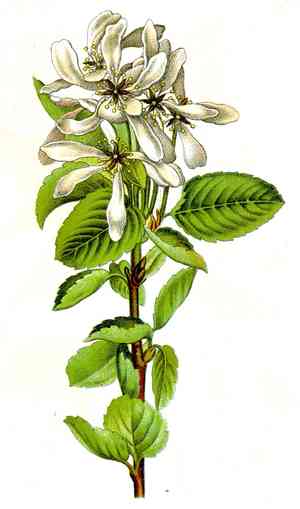
This leafy shrub, recognized by its tiny white blossoms and extended fruit, greatly benefits from trimming. For oblongfruit serviceberry, the ideal time for pruning is from late winter to early spring, right before new shoots emerge. Pruning efforts should concentrate on eliminating dead or ailing wood, reducing older limbs to improve light access and air circulation, and preserving its structure. Consistent pruning boosts fruit yield and the plant's general well-being, ensuring a dense and appealing appearance.
Advantages of Trimming Oblongfruit Serviceberry
Advantages of Trimming Oblongfruit Serviceberry
Trimming oblongfruit serviceberry promotes robust development and maintains its desired form. Regular cutting fosters a strong framework, aids in producing healthy foliage, and keeps the plant compact, enhancing its decorative appeal.
Optimal Period for Trimming Oblongfruit Serviceberry
Optimal Period for Trimming Oblongfruit Serviceberry
Trimming oblongfruit serviceberry in late winter or early spring, prior to new growth, is ideal. This timing allows for a clear view of the plant's structure without leaves, aiding in better shaping decisions. Additionally, pruning before the spring growth spurt ensures quick wound healing, minimizing stress. This season also precedes flowering, preventing negative impacts on blossoms and subsequent fruiting, vital for oblongfruit serviceberry's aesthetic and ecological value.
Required Tools for Trimming Oblongfruit Serviceberry
Hand Pruners
Perfect for precise cuts on oblongfruit serviceberry's thinner branches, typically under 1/2 inch in diameter. These ensure clean cuts that encourage healthy regrowth.
Lopping Shears
Best for cutting oblongfruit serviceberry's branches up to 1 1/2 inches thick. Their long handles provide the necessary leverage for thicker branches, ensuring a clean cut without harming the plant.
Pruning Saw
Essential for removing oblongfruit serviceberry's branches exceeding 1 1/2 inches in thickness. A pruning saw helps manage larger branches that hand pruners and loppers cannot handle, enabling clean and efficient cuts that support the plant's natural growth.
Hedge Shears
Useful for shaping oblongfruit serviceberry as needed, especially to maintain its aesthetic look. These are ideal for trimming and shaping hedges or dense branch clusters, ensuring even and attractive growth.
How to Trim Oblongfruit Serviceberry
Identify
Locate and mark all dead and diseased branches on oblongfruit serviceberry. Look for branches that appear dry, brittle, or show signs of fungal growth or pest infestation.
Sanitize
Disinfect your pruning tools with a solution of 1 part bleach to 9 parts water to prevent disease spread when cutting oblongfruit serviceberry.
Cut
Using sharp, clean pruning shears, cut dead and diseased branches at their origin or back to healthy wood. Make cuts just above a bud or lateral branch to encourage new growth.
Dispose
Remove and properly discard all cut branches to prevent any potential disease spread. Do not compost diseased material.
Inspect
After pruning, examine oblongfruit serviceberry for any remaining signs of disease or pests, and monitor regularly to ensure the plant’s health and vitality.
Common Trimming Errors with Oblongfruit Serviceberry
Excessive Pruning
Many gardeners may mistakenly remove too much growth from oblongfruit serviceberry in one session, which can stress the plant and lead to sparse growth or reduced flowering.
Incorrect Cut Placement
Improperly placed cuts can lead to undesirable branch growth and potential plant harm. It's vital to avoid cutting too close to the main stem or too far from a bud, as this can impede the plant’s natural shape and health.
Neglecting Diseased or Damaged Branches
Failure to promptly remove diseased, damaged, or dead branches can allow issues to spread, impacting the overall health and appearance of oblongfruit serviceberry.
General Trimming Advice for Oblongfruit Serviceberry
Selective Thinning
Focus on selective thinning to open up oblongfruit serviceberry's structure, allowing light and air to penetrate the canopy, which is crucial for reducing disease risk and promoting healthy growth.
Prune for Shape
Oblongfruit serviceberry greatly benefits from shaping. Maintain its natural form by pruning away awkward branches and those that cross over others, which can cause damage and create entry points for disease.
Encourage Flowering
To promote optimal flowering, concentrate on removing only the oldest branches and any twiggy growth that might not support the weight of the flowers. This helps direct energy towards developing robust and healthy blooms.



