How to Transplant Common burrobrush?
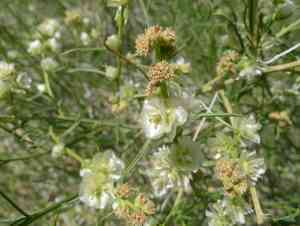
The optimal period for relocating common burrobrush is from late spring through the initial weeks of summer. Choose a location that receives ample sunlight and possesses soil with good drainage. To facilitate a smooth transfer, minimize disruption to the roots and provide sufficient hydration.
What Preparations are Needed Before Transplanting Common Burrobrush?
What is the Ideal Time for Transplanting Common Burrobrush?
Relocating common burrobrush between late spring and early summer offers the best chance for success. This 'prime transplanting period' with its moderate weather aids root development. Moving common burrobrush at this time utilizes longer daylight hours and mild temperatures, perfect for recovery and growth. It's the optimal moment when common burrobrush benefits from post-frost warmth and pre-summer coolness, creating ideal soil conditions for root establishment. This approach aligns with its natural growth cycle, boosting common burrobrush's ability to flourish.
How Much Space Should You Leave Between Common Burrobrush Plants?
When moving common burrobrush, gently position them approximately 12-18 inches apart (30-46 cm). This provides ample room for each plant to expand and grow without excessive competition from nearby plants. Happy planting!
What is the Best Soil Mix for Common Burrobrush Transplanting?
For common burrobrush, prepare the ground by incorporating well-draining, sandy loam enriched with a slow-release, balanced fertilizer. A thriving common burrobrush begins with a strong foundation!
Where Should You Relocate Your Common Burrobrush?
Select a sunny location for your common burrobrush! These plants enjoy soaking up full sunlight, so choose a spot where they can receive direct rays for most of the day. Shine on, little common burrobrush!
What Equipments Should You Prepare Before Transplantation Common Burrobrush?
Gardening Gloves
To shield your hands while handling soil and plants.
Shovel or Spade
For digging around and under the plant for removal and to excavate the new hole.
Garden Fork or Soil Knife
To gently loosen the soil around the plant without harming its root system.
Wheelbarrow or Garden Cart
To move the plant from its original spot to the new site.
Watering Can or Hose
To hydrate the plant before and after relocation to minimize transplant shock.
Pruning Shears
To trim any damaged roots or foliage prior to transplanting.
How Do You Remove Common Burrobrush from the Soil?
How Do You Remove Common Burrobrush from the Soil?
From Ground: Hydrate the common burrobrush plant to moisten the soil, making it easier to manage. Use a shovel or spade to dig a wide trench around the plant, then gradually deepen it to slide beneath the root ball. Carefully lift the plant, keeping the root ball and surrounding soil intact.From Pot: Start by watering the soil in the container to help the roots stay together during the transition. Tilt the pot sideways and gently tap or squeeze the sides to loosen the plant. Hold the base of the common burrobrush plant and carefully ease it out of the pot, supporting the root ball.From Seedling Tray: Water the seedling to ensure the soil adheres to the roots. Use a garden fork or soil knife to carefully lift the common burrobrush plant from its cell, making sure to retain as much soil around the roots as possible.
Step-by-Step Guide for Transplanting Common Burrobrush
Preparation
Thoroughly water the common burrobrush a day before moving it to prepare it for the relocation.
Removing the Plant
Follow the appropriate removal method depending on whether the common burrobrush is being taken from the ground, a pot, or a seedling tray.
Transportation
Use a wheelbarrow or garden cart to carefully move the plant to its new location.
Preparing the New Site
Dig a hole considerably wider and slightly deeper than the common burrobrush's root ball to provide ample room for root expansion.
Planting
Position the common burrobrush centrally in the new hole. The top of the root ball should be level with or slightly above the ground to prevent water from accumulating around the stem.
Backfilling
Carefully refill the hole with soil, gently firming it around the root ball to eliminate air pockets.
Watering
Water the plant thoroughly after transplanting to help settle the soil and ensure good root-to-soil contact.
How Do You Care For Common Burrobrush After Transplanting?
Initial Watering
Keep the soil consistently moist for several days after transplanting to help reduce shock and allow the common burrobrush to adapt to its new environment.
Mulching
Apply mulch around the common burrobrush to retain soil moisture and stabilize soil temperature, but ensure the mulch does not touch the plant stem to prevent rot.
Monitoring
Observe the common burrobrush for indications of stress, such as wilting or leaf discoloration, and take corrective actions, like providing shade or increasing irrigation.
Pruning
Remove any damaged or dead branches to direct the common burrobrush's energy towards root establishment and new growth.
Troubleshooting Common Issues with Common Burrobrush Transplantation.
When is the best time to transplant common burrobrush?
The ideal period for relocating common burrobrush is during the milder days of late spring to early summer.
How far apart should I space common burrobrush when transplanting?
For optimal development, place common burrobrush with a distance of 12-18 inches (30-45 cm) between them.
What should I do if common burrobrush's leaves wilt after transplanting?
Ensure common burrobrush receives adequate water and is shielded from intense sunlight. The plant may need time to establish itself.
How deep should the hole be for transplanting common burrobrush?
Excavate a hole as deep as the root ball and twice as wide to give common burrobrush a strong start.
Can common burrobrush be transplanted in full sun?
Common burrobrush thrives in sunny locations, but gradually acclimate it to full sun after transplanting to prevent shock.
What kind of soil is best for transplanting common burrobrush?
Common burrobrush prefers well-draining soil. Amend with compost if needed to enhance soil structure.
Should I prune common burrobrush before transplanting?
Minimal pruning encourages healthier transplanting. Only remove damaged or diseased parts before relocating common burrobrush.
How much water does common burrobrush need after transplanting?
Water common burrobrush generously immediately after transplanting, and regularly until it is well established, avoiding waterlogged conditions.
Why does common burrobrush look droopy even after watering?
Temporary drooping is normal. Keep the soil consistently moist, and it should recover as its roots take hold.
How can I protect newly transplanted common burrobrush from pests?
Maintain good air circulation and use appropriate barriers or organic pest control methods to deter pests.



