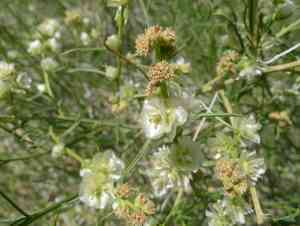
Common burrobrush (Ambrosia salsola)
Also known as: Burrobush, Cheesebush
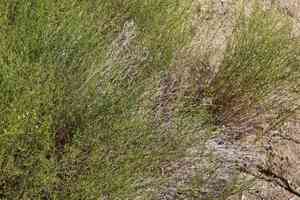
The common burrobrush, a scraggly shrub native to the deserts of the United States and Mexico, releases a strong, unpleasant odor reminiscent of cheese when crushed. This plant also features small, cup-shaped flowers.
In This Article
Attributes of Common burrobrush
Lifespan
Perennial
Plant Type
Shrub
Plant Height
61 cm to 91 cm
Spread
60 cm to 90 cm
Leaf Color
Gray-green
Flower Size
2.5 cm
Flower Color
White Yellow Green
Images of Common burrobrush
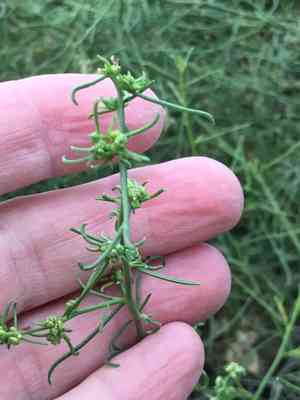
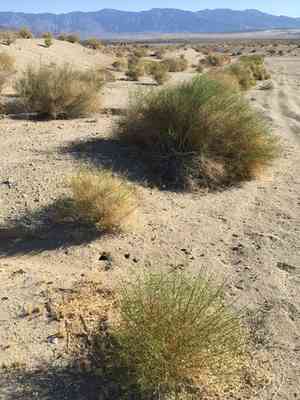
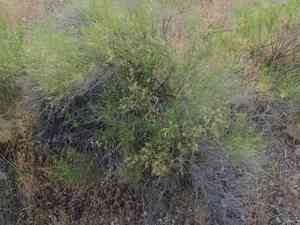
Quickly Identify Common burrobrush
1
Ambrosia salsola can be identified by its finely divided, gray-green leaves and its small, inconspicuous yellow flowers. The plant often grows in open, dry areas and has a scruffy, bushy appearance.
Scientific Classification of Common burrobrush
Phylum
Vascular plants
Class
Dicotyledons
Order
Asterales
Family
Daisy
Genus
ragweed
Species
Common burrobrush
Planting and Growing of Common burrobrush
Care Difficulty
Easy
Watering Schedule
Every 2 days
Sunlight Requirements
Full sun
Sunshine Duration
4-8 hours
Ideal Temperature
68-77℉
Soil Type
Potting Mix, Peat Mix
Soil pH
6.5-7.5
Fertilizer Type
Balanced
Pruning Season
Spring, Summer
Pruning Area
Branches, Leaves
Pruning Frequency
2 times a year
Repotting Season
Spring
Pot Type
Plastic, Ceramic
 How to Water Common burrobrush?
For Ambrosia salsola, it's crucial to water enough to moisten the soil without creating sogginess. Aim for about 500 ml each time, ensuring the soil is damp but not waterlogged, as excess water could cause root rot.
What are the symptoms of an underwatered Common burrobrush?
›
What should I do if my Common burrobrush is not getting enough water?
›
What are the symptoms of an overwatered Common burrobrush?
›
How to save an overwatered Common burrobrush?
›
 What Are the Sunlight Requirements for Common burrobrush?
Ambrosia salsola ideally requires a full sun to partial sun environment, benefiting significantly from consistent light exposure. Adequate sunlight results in dense foliage, vigorous growth, and resilient plant structure, enhancing its overall appeal and health.
More About Sunlight Requirements Techniques→
How much sun does Ambrosia salsola need?
›
What happens in ideal sunlight?
›
How can you ensure optimal light conditions?
›
 What Is the Ideal Temperature Range for Common burrobrush?
For Ambrosia salsola, the ideal temperature range is between 68°F and 77°F. This range ensures optimal growth and health for the plant. Proper temperature management within this range can enhance photosynthesis, nutrient uptake, and general resilience to environmental stresses.
 What Soil is Best for Common burrobrush?
Ambrosia salsola thrives in well-drained soils that prevent waterlogging, which can lead to root rot. Ensuring good drainage helps maintain root health and promotes vigorous growth. This plant prefers poor, unfertilized soil environments where it can avoid competition with other plants. By mimicking its natural habitat, you can ensure it doesn't get outcompeted for nutrients. While it prefers dry conditions, Ambrosia salsola requires occasional watering in prolonged dry spells to maintain moisture levels, preventing wilting and ensuring sustained growth.
 How to Fertilize Common burrobrush?
For Ambrosia salsola, the recommended fertilizer amount depends on the plant's growth stage. Generally, apply a quarter strength of balanced liquid fertilizer, such as 20-20-20, every two weeks during the growing season. Ensure the soil is slightly moist before application to prevent root burn.
 How to Prune Common burrobrush?
Begin by assessing the overall shape and growth pattern of Ambrosia salsola. Identify any dead, damaged, or crossing branches that need removal to facilitate healthier growth. Carefully trim away any unwanted branches, focusing on the outermost tips to refine the shape. Aim for a balanced look that encourages air circulation and sunlight penetration. Prune the plant during its active growth seasons of spring and summer to promote vigorous new growth. Trim just above a node to stimulate new branches while maintaining an aesthetically pleasing form. After pruning, clear away any fallen leaves or branches to maintain a tidy garden area. Monitor the plant for a few days to ensure it is adjusting well to the pruning.
More About Pruning Techniques→
 How to Propagate Common burrobrush plant?
1
Fill a sterilized seed tray with nutrient-rich potting mix. Ensure the soil is well-drained as Ambrosia salsola prefers slightly dry conditions. Moisten the soil lightly before planting the seeds.
2
Scatter Ambrosia salsola seeds thinly over the prepared soil surface. Lightly press them into the soil without covering them completely as they require light for germination. Maintain adequate spacing to prevent overcrowding.
3
Place the seed tray in a location with bright, indirect sunlight. Maintain a consistent temperature around 18-22°C. Regularly mist the soil to keep it moist but not waterlogged, crucial for successful germination.
 How to Repot Common burrobrush plant?
1
Ambrosia salsola benefits from repotting when its roots start crowding against the pot boundaries or if you notice a significant decrease in growth. Spring or early Summer is optimal, as this is when the plant is naturally inclined to grow, allowing it to establish itself comfortably in its new environment. Look for signs like roots emerging from drainage holes or the soil drying out rapidly.
2
Selecting a pot with adequate drainage is crucial for Ambrosia salsola. A pot that is 2-3 inches wider in diameter than the current one is ideal. This gives room for growth while preventing excessive moisture accumulation, thus reducing the risk of root rot. Terra cotta pots are highly recommended as they absorb excess moisture, helping maintain balanced soil hydration.
3
Opt for a sandy, well-draining potting mix to mimic Ambrosia salsola's native habitat. This kind of soil prevents water from pooling around the roots, which can lead to rot, and ensures that the roots receive just enough moisture and nutrients to thrive. Mix in some perlite or small gravel for enhanced drainage.
Toxicity
Ingestion, contact with skin
WARNING
The judgment on toxicity and danger is for reference only. We DO NOT GUARANTEE any accuracy of such judgment. Therefore, you SHALL NOT rely on such judgment. It is IMPORTANT TO SEEK PROFESSIONAL ADVICE in advance when necessary.



