How to Prune Common burrobrush?
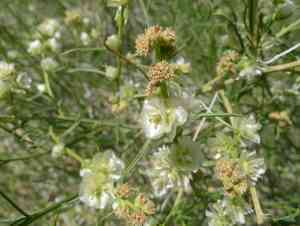
A robust, versatile shrub, common burrobrush flourishes in dry environments, characterized by its thick leaves and bright yellow blooms. Perform pruning in late winter or early spring prior to the emergence of new shoots. Shape the plant by trimming, concentrating on removing deceased or compromised branches to preserve its well-being and form. Severing older stalks stimulates renewed vitality. Appropriate trimming improves air circulation, diminishes problems with pests, and fosters abundant flowering during its inherent blooming period.
Advantages of Trimming Common Burrobrush
Advantages of Trimming Common Burrobrush
Trimming common burrobrush is crucial for encouraging robust development and preserving an attractive form. By carefully removing excess growth, gardeners ensure common burrobrush directs energy into developing strong, healthy structures.
Optimal Time for Trimming Common Burrobrush
Optimal Time for Trimming Common Burrobrush
Late winter and early spring are considered the best periods to prune or trim common burrobrush due to several key factors related to its growth cycle and seasonal behavior. During late winter, the plant is typically dormant. Pruning at this time tends to stimulate vigorous growth as temperatures begin to rise, which aligns well with the start of the spring growing season. By trimming common burrobrush before spring growth commences, the plant can channel its energy towards developing new, healthy shoots, which is vital for its overall health and vitality. Furthermore, pruning before the spring growth flush ensures the plant's shape is maintained and that any overwintering pests or diseases lingering on neglected branches are removed, thus preventing potential spread. Additionally, by pruning at the end of winter, gardeners can easily view common burrobrush's structure without leaves, allowing for more precise cuts. Another benefit of pruning during this period is minimizing stress on common burrobrush, as the plant is not actively photosynthesizing and thus loses less energy during recovery. This timing also avoids cutting off emerging flowers or new fruits, which might occur if pruning is done later in the growing season. Following these guidelines ensures common burrobrush will flourish and produce abundant foliage or flowers in its natural cycle.
Tools Required for Pruning Common Burrobrush
Hand Pruners
Hand pruners are perfect for cutting through stems and small branches of common burrobrush, which typically has fine twigs. They enable precise cuts that help maintain the plant's shape.
Lopping Shears
For thicker branches that hand pruners cannot easily cut, lopping shears provide the necessary leverage. Their long handles and larger blades can handle the more substantial growth of common burrobrush.
Pruning Saw
If common burrobrush has developed branches thicker than 1.5 inches, a pruning saw is the preferred tool. It can manage large, woody stems without harming surrounding plant tissue.
Hedge Clippers
If shaping is needed for aesthetic reasons, or if a larger surface area of common burrobrush needs trimming, hedge clippers allow for quick and even cutting of multiple stems simultaneously.
How to Prune Common Burrobrush
Identify
Thoroughly inspect common burrobrush to pinpoint all diseased leaves, withered leaves, dead branches, and diseased branches that need removal.
Sanitize
Before beginning the pruning process, disinfect your pruning tools with isopropyl alcohol or a bleach solution to prevent disease transmission to healthy parts of common burrobrush.
Trim leaves
Carefully remove diseased or withered leaves from common burrobrush by snipping them off at the base of the leaf stem using sharp, sanitized pruning shears. Avoid tearing leaves, as this can create open wounds susceptible to infections.
Remove branches
Cut dead and diseased branches of common burrobrush back to their origin point or to the nearest healthy intersection. Make clean, angled cuts to promote healing and deter water accumulation, which can lead to rot.
Cleanup
Gather and discard all trimmings from common burrobrush to reduce disease spread risk, and clean your tools again afterward to maintain their condition and effectiveness for future use.
Common Pruning Errors with Common Burrobrush
Over-pruning
Removing too much foliage from common burrobrush at once can cause stress and shock. This can weaken the plant and reduce its vigor long-term.
Incorrect cut placement
Making cuts too far from a bud or branch can result in stubs that die back, potentially inviting disease and pest infestation. Conversely, cutting too close can damage the bud or branch's growth potential.
Dull pruning tools
Using dull tools can create jagged cuts that heal slowly, increasing the chance of infection and disease in common burrobrush.
Tearing limbs
Forcefully removing branches without proper cutting can cause tears that extend beyond the intended pruning cut, creating larger wounds that take longer to heal.
Neglecting cleanliness
Failing to clean pruning tools between uses can spread disease from infected plants to healthy ones.
Flush cutting
Pruning branches flush against the trunk can remove the branch collar, causing wounds that common burrobrush may struggle to heal, leading to disease and decomposition.
General Pruning Advice for Common Burrobrush
Selective pruning
Only remove dead, diseased, or crossing branches to maintain common burrobrush's natural shape and encourage healthy growth.
Sharp tools
Always use sharp, sterilized pruning tools to make clean, precise cuts that heal quickly and minimize disease risk.
Angled cuts
Make angled cuts above buds or branching points to allow water to drain off the cut surface, reducing the risk of rot and disease.
Incremental pruning
Prune gradually, especially when shaping common burrobrush, to avoid over-pruning and to observe the plant's response before continuing.
Tool selection
Choose the correct tool for the branch size — hand pruners for small branches, loppers for medium ones, and a saw for larger limbs — to prevent damage to common burrobrush.
Cutting technique
When removing larger branches, use a three-cut method to prevent bark tearing: first undercut the branch, then cut from the top a few inches out from the undercut, and finally remove the stub.



