How to Transplant Dwarf coastweed?
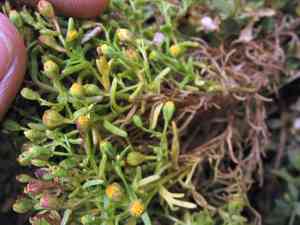
The optimal period for relocating dwarf coastweed spans from early spring through late spring, fostering vigorous development. Select a location bathed in sunlight featuring soil that drains effectively. Undertake transplantation solely when plants become too dense or to revitalize their growth.
Essential Preparations Before Relocating Dwarf Coastweed
Optimal Period for Transplanting Dwarf Coastweed
The perfect time to move dwarf coastweed is from the start of spring until early summer. This period aligns with dwarf coastweed's natural growth cycle, promoting successful establishment and vigor. Relocating dwarf coastweed when the ground is thawed and days are lengthening encourages strong root development, ensuring a healthy beginning. Mild weather conditions facilitate stress-free adjustment, boosting the success of your gardening efforts.
Recommended Spacing Between Dwarf Coastweed Plants
Before introducing dwarf coastweed to your garden, ensure adequate room for these small plants! Aim for a comfortable distance of 4-6 inches (10-15 cm) between them. This provides ample space for them to flourish without becoming overcrowded.
Ideal Soil Mixture for Dwarf Coastweed Transplantation
To prepare the ground for dwarf coastweed, incorporate organic compost into well-draining soil. This creates their preferred environment! A light application of a balanced, slow-release fertilizer will offer them a warm, nutrient-rich welcome.
Selecting a New Location for Your Dwarf Coastweed
Choose a sunny spot where dwarf coastweed can enjoy full sunlight. They are sun-loving plants! Ensuring at least 6 hours of direct sunlight will keep them vibrant and healthy.
Tools Required Before Transplanting Dwarf Coastweed
Gardening Gloves
To safeguard your hands while handling soil and plants.
Garden Trowel
For digging and moving the dwarf coastweed.
Watering Can
To hydrate the plant before and after its relocation.
Spade or Shovel
To carefully excavate the plant if it's being removed from the ground.
Garden Fork
To loosen the soil around the plant's root system during removal.
Measuring Tape
To assist in accurately spacing the new planting locations.
Method for Extracting Dwarf Coastweed from the Soil
Method for Extracting Dwarf Coastweed from the Soil?
From Ground: First, water the dwarf coastweed to soften the surrounding earth. Next, using a spade or shovel, create a sufficiently wide perimeter around the plant, being careful not to harm the roots. Gently pry underneath to maintain the root ball's integrity, and carefully lift the dwarf coastweed from the ground.From Pot: Water the dwarf coastweed to moisten the soil, making it easier to remove. Turn the pot on its side, hold the plant by its base, and tap the bottom to loosen it. Carefully pull the plant out, supporting the root ball with your other hand.From Seedling Tray: Water the dwarf coastweed to facilitate easy root extraction. Use a garden trowel or your fingers to create a small indentation around the seedling. Lift it gently, ensuring the soil and roots remain as intact as possible.
Detailed Procedure for Transplanting Dwarf Coastweed
Prepare The New Site
Excavate a hole in the ground that is twice the width and equal to the depth of the dwarf coastweed's root ball.
Inspect The Root Ball
Examine the roots post-removal. Untangle any circling roots to encourage outward growth after planting.
Position The Plant
Place the dwarf coastweed in the center of the new hole with the top of the root ball flush with the soil surface.
Refill The Hole
Gently backfill the hole with soil. Lightly press down the soil to eliminate air pockets without excessive compaction.
Water Thoroughly
Saturate the soil around the dwarf coastweed to settle the roots and soil. Water should penetrate deeply to promote downward root development.
Post-Transplantation Care for Dwarf Coastweed
Monitoring Growth
Regularly check the dwarf coastweed for indications of growth or stress. New growth is a positive sign, while wilting or yellowing may suggest an issue.
Watering Requirements
Maintain consistent moisture in the soil surrounding the dwarf coastweed, particularly during the initial weeks, to aid root establishment.
Support Structures
If needed, provide support for the dwarf coastweed using stakes or trellises to encourage upright growth, depending on its natural habit.
Protection From Pests
Watch for pests and treat them appropriately with organic or recommended pest control solutions.
Resolving Common Issues with Dwarf Coastweed Transplantation
When is the best time to move dwarf coastweed outdoors?
Relocate dwarf coastweed during early to late spring when the soil is workable and warm.
What spacing should I use for dwarf coastweed when transplanting?
Space them approximately a hand's width apart, ideally 4-6 inches (10-15 cm), to allow each plant to flourish.
What if dwarf coastweed's roots are tangled before transplanting?
Gently separate them. If too dense, trim a small portion from the bottom to stimulate new growth.
Can I transplant dwarf coastweed on a hot, sunny day?
No, select a cooler, overcast day to prevent transplant shock. Mild weather will ease dwarf coastweed's transition.
How do I prepare the soil for transplanting dwarf coastweed?
Enrich the soil with compost or well-rotted manure, ensuring it is loose and drains effectively.
What is the correct depth for transplanting dwarf coastweed?
Dig a hole as deep as the root ball but twice as wide, allowing roots to spread comfortably.
How often should I water dwarf coastweed after transplanting?
Keep the soil consistently moist for the first few weeks until new growth appears, indicating establishment.
Should I apply fertilizer after transplanting dwarf coastweed?
Wait 3-4 weeks before applying a balanced fertilizer to avoid damaging fresh roots.
What if dwarf coastweed's leaves wilt after transplanting?
Ensure adequate watering and initially provide shade from intense sun. They should recover within a few days.
How do I know if the chosen spot for transplanting dwarf coastweed is suitable?
Observe the location's sunlight, confirm it meets dwarf coastweed's preference for full sun, and verify that the soil drains well.



