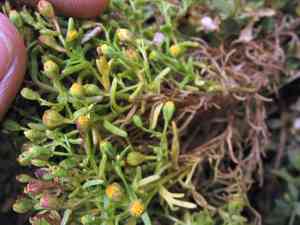
Dwarf coastweed (Amblyopappus pusillus)
Also known as: Dwarf Coastal Ragleaf
Dwarf coastweed (Asteriscus maritimus) stands out in gardens with its brilliant yellow, daisy-like blooms that bring a splash of cheerful color. Unlike many other plants, it boasts a compact and sturdy growth habit, making it perfect for rock gardens or coastal landscapes. Its evergreen foliage ensures year-round greenery, and its drought tolerance means it requires minimal care. Additionally, dwarf coastweed is a magnet for pollinators such as bees and butterflies, helping to support local biodiversity. This hardy plant is a delightful and practical choice for gardeners seeking both beauty and ecological benefits.
In This Article
Attributes of Dwarf coastweed
Lifespan
Annual
Plant Type
Herb
Plant Height
5-15 cm
Spread
10-30 cm
Leaf Color
Green
Flower Size
1-2 cm
Flower Color
Yellow
Images of Dwarf coastweed
Quickly Identify Dwarf coastweed
1
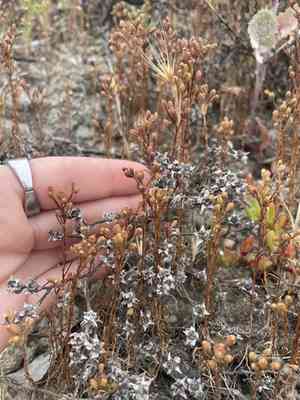
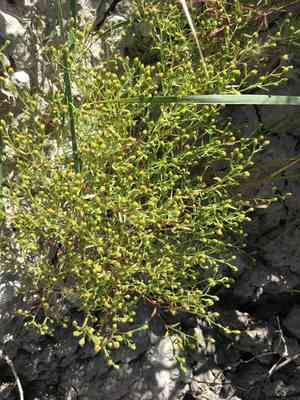
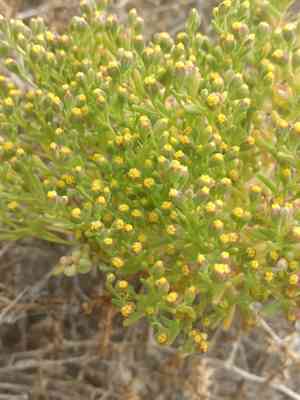
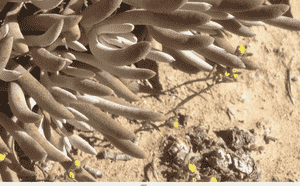
Amblyopappus pusillus can be identified by its small, yellow, daisy-like flowers that typically grow in clusters. The leaves are green, narrow, and alternate with slightly toothed edges. The plant remains relatively small and close to the ground.
Scientific Classification of Dwarf coastweed
Phylum
Vascular plants
Class
Dicotyledons
Order
Asterales
Family
Daisy
Genus
Amblyopappus
Species
Dwarf coastweed
Planting and Growing of Dwarf coastweed
Care Difficulty
Easy
Watering Schedule
Every 2 days
Sunlight Requirements
Partial sun
Sunshine Duration
4-8 hours
Ideal Temperature
65-75℉
Soil Type
Potting Mix, Peat Mix
Soil pH
6.5-7.5
Fertilizer Type
Balanced
Pruning Season
Spring, Summer
Pruning Area
Branches, Leaves
Pruning Frequency
2 times a year
Repotting Season
Spring
Pot Type
Plastic, Ceramic
 How to Water Dwarf coastweed?
Amblyopappus pusillus, a resilient species, requires moderate yet consistent moisture levels. It's essential to water just enough to dampen the soil, providing about 100 ml each time. The key is to ensure the root zone receives moisture without causing oversaturation, maintaining a well-aerated and balanced environment.
What are the symptoms of an underwatered Dwarf coastweed?
›
What should I do if my Dwarf coastweed is not getting enough water?
›
What are the symptoms of an overwatered Dwarf coastweed?
›
How to save an overwatered Dwarf coastweed?
›
 What Are the Sunlight Requirements for Dwarf coastweed?
Partial sun exposure benefits Amblyopappus pusillus, balancing energy needs without risking damage. Ideal light ensures robust growth and prevents stress-related issues due to improper lighting.
Question 1: How much light does Amblyopappus pusillus need?
›
Question 2: What are the solutions for achieving ideal lighting?
›
Question 3: What are the benefits of ideal lighting conditions?
›
 What Is the Ideal Temperature Range for Dwarf coastweed?
The ideal temperature range for Amblyopappus pusillus is between 65°F and 75°F. Within this range, the plant is able to thrive as its physiological processes function optimally. Ensuring the temperature remains within this zone promotes healthy growth and development.
 What Soil is Best for Dwarf coastweed?
Amblyopappus pusillus thrives in well-drained soil, which prevents waterlogging and ensures the roots get adequate oxygen. This condition helps prevent root rot and supports healthy growth. This plant prefers soil with moderate nutrient content. While it doesn't demand highly fertile soil, a balanced supply of essential nutrients supports its growth and flowering. Amblyopappus pusillus is adapted to tolerate dry soil conditions, making it ideal for regions with low rainfall or for those seeking low-maintenance planting options.
 How to Fertilize Dwarf coastweed?
For Amblyopappus pusillus, the ideal fertilizer amount is a diluted solution. When using liquid fertilizers, mix 1 tablespoon per gallon of water to avoid overwhelming the plant. For slow-release fertilizers, apply no more than 2 teaspoons around the base of the plant to ensure steady growth without risk of burning the roots.
 How to Prune Dwarf coastweed?
Start by removing any dead, damaged, or diseased branches. Cutting these away will improve air circulation and help prevent the spread of disease. Cut back to healthy tissue and angle the cut slightly to allow moisture to run off rather than settle, reducing rot risk. To maintain the desired shape of your Amblyopappus pusillus, make clean cuts just above a leaf node or bud pointing in the direction you want the new growth to face. This promotes a fuller, bushier appearance and encourages new growth in the desired areas.
More About Pruning Techniques→
 How to Propagate Dwarf coastweed plant?
1
Choose mature, healthy seeds from Amblyopappus pusillus. Ensure the seeds are free from damage or disease. Clean any debris from the seeds before starting the propagation process.
2
Fill the seed tray with a well-draining potting mix. Moisten the soil slightly to create an optimal environment for seed germination. Avoid using overly wet soil to prevent mold growth.
3
Sow the seeds in the tray, covering them lightly with soil. Be sure to space them adequately to allow room for growth. Place the tray in a location with consistent warmth and light for better germination.
 How to Repot Dwarf coastweed plant?
1
Amblyopappus pusillus shows it's time for a new pot when you notice roots emerging from the drainage holes, the plant has outgrown its current container, or it's been two years since the last repotting. These indicators suggest that the roots need more room to grow and the soil may be depleted of nutrients, necessitating fresh soil for optimal growth.
2
Opt for a pot that is one size larger than the current one to give Amblyopappus pusillus plenty of room to grow. Ensure the pot has efficient drainage holes to prevent waterlogging, which can lead to root rot. A slightly larger pot prevents stress on the roots and provides space for expansion, promoting a healthier plant.
3
Select a light and well-draining potting mix, preferably a combination of organic matter like peat and perlite. This mix provides sufficient aeration and prevents water stagnation, crucial for Amblyopappus pusillus. Good drainage ensures roots stay healthy and absorb the necessary nutrients efficiently.



