How to Prune Dwarf coastweed?
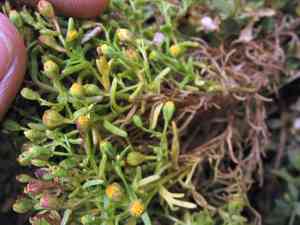
This enduring groundcover flourishes with little upkeep. Essential trimming methods for dwarf coastweed include the careful elimination of faded blooms and deceased leaves to stimulate fresh development. The most suitable times for pruning extend from late spring to autumn, though it should be refrained from during the height of blooming to sustain the plant's dense structure. Trimming fosters proper air movement and can avert excessive density, which is crucial for dwarf coastweed's vitality and blossom presentation.
What Are the Benefits of Pruning Dwarf Coastweed?
What Are the Benefits of Pruning Dwarf Coastweed?
Trimming dwarf coastweed promotes robust development and maintains its shape, enhancing its visual appeal. It ensures dense, vibrant foliage and may boost its resistance to environmental stressors.
What Is the Best Time for Pruning Dwarf Coastweed?
What Is the Best Time for Pruning Dwarf Coastweed?
Trimming dwarf coastweed in Spring is optimal as it coincides with the start of the plant's active growth phase, allowing for strong recovery and vigorous new development. Late Summer pruning helps shape the plant and remove any spent flowers or seed heads that could deplete dwarf coastweed's energy. Early Fall pruning is also suitable as it prepares dwarf coastweed for dormancy, eliminating any dead or diseased foliage that could harbor pests or disease over winter, while still allowing time for wound healing before cold weather arrives. These seasons ensure that dwarf coastweed maintains health, vigor, and an attractive form without hindering its flowering or fruiting cycles.
What Tools Do I Need to Prune Dwarf Coastweed?
Bypass Pruners
Perfect for making clean cuts on the small, delicate stems of dwarf coastweed, bypass pruners minimize damage and support healthy regrowth.
Garden Scissors
These are appropriate for precise trimming of dwarf coastweed without causing undue stress on the plantâs small structure.
Hand Gloves
Though not a cutting tool, hand gloves protect the gardener's hands during pruning and are considered essential when handling dwarf coastweed.
Pruning Shears
For any slightly thicker or woodier stems that dwarf coastweed may possess, pruning shears can provide the necessary force without harming the plant.
How to Prune Dwarf Coastweed
Prepare tools
Ready clean, sharp scissors or pruners, ensuring they are sterilized to prevent the spread of disease to dwarf coastweed.
Identify target
Examine dwarf coastweed closely to pinpoint withered or dead leaves that might be draining resources from the healthy parts.
Cut leaves
Carefully snip away the withered leaves at their base, making clean cuts to avoid causing unnecessary stress or damage to dwarf coastweed.
Dispose waste
Remove the trimmed material from the vicinity of dwarf coastweed to prevent potential pest infestations and diseases.
Monitor plant
Observe dwarf coastweed after trimming to ensure it recovers well and to determine if further pruning is needed.
Common Pruning Mistakes with Dwarf Coastweed
Over-pruning
Removing too much foliage from dwarf coastweed can stress the plant, hindering its growth and reducing its ability to photosynthesize.
Blunt or dirty tools
Using dull, uncleaned pruning tools can create jagged cuts that are more susceptible to infection, harming dwarf coastweed's overall health.
Improper cut location
Making cuts too close to the main stem may damage dwarf coastweed's central structure, while cutting too far from it can leave unsightly stubs that don't heal well.
Unnecessary pruning
Trimming dwarf coastweed when it lacks overgrown or dead material can lead to a waste of energy for the plant that could have been used for growth.
Neglecting disease check
Failing to inspect dwarf coastweed for signs of disease before pruning can result in the spread of pathogens to healthy parts of the plant or to other plants.
Ignoring plant shape
Randomly cutting branches without considering the natural shape of dwarf coastweed can result in an unbalanced appearance and may harm the plant's structure.
Common Pruning Tips for Dwarf Coastweed
Sharp clean tools
Utilize sharp, disinfected tools to make clean cuts on dwarf coastweed that heal more quickly, lowering the risk of disease.
Angle cuts away
Angle cuts away from the main stem to prevent water from accumulating at the cut site, which could encourage rot in dwarf coastweed.
Remove only necessary
Prune only dead or overgrown parts to maintain dwarf coastweed's health and vitality without causing undue stress to the plant.
Visual inspection pre-pruning
Conduct a thorough visual inspection of dwarf coastweed for any signs of disease or pests before beginning to prune, and sterilize tools between cuts if pathogens are present.
Consider plant structure
Follow the natural form of dwarf coastweed when pruning to ensure that the growth is proportional and supports the plant's structure.
Encourage air flow
Thin out crowded areas judiciously to promote good air circulation, which helps reduce the risk of fungal infections in dwarf coastweed.



