How to Transplant Tumbleweed?
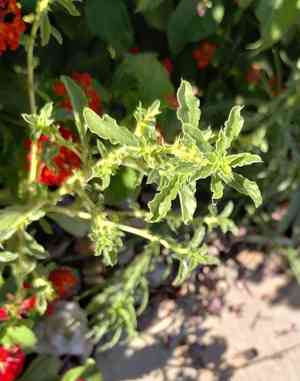
The ideal time to relocate tumbleweed is in mid-spring, during its active growth phase. Select a bright spot with soil that drains effectively for optimal results. A helpful tip: tumbleweed adapts more readily if root disruption is kept to a minimum.
What Preparations are Needed Before Transplanting Tumbleweed?
What is the Ideal Time for Transplanting Tumbleweed?
The optimal period to move tumbleweed to your garden is during the mild warmth of mid to late spring. Relocating tumbleweed at this time maximizes root establishment prior to summer. Ensuring tumbleweed is replanted within this window promotes vigorous growth, as soil temperature and moisture are perfect, giving tumbleweed a strong start in its new spot. Trust in the season's embrace for tumbleweed's flourishing!
How Much Space Should You Leave Between Tumbleweed Plants?
For your tumbleweed, make sure to space each one approximately 1-2 feet (30-60 cm) apart from the next. This will provide ample room for them to develop and thrive without mutual interference. Happy Planting!
What is the Best Soil Mix for Tumbleweed Transplanting?
The tumbleweed prefers soil that drains well. For a foundational fertilizer, you can use a simple compost. This not only enriches the soil but also aids in moisture retention, which is crucial for your plant's health. Be sure to mix it thoroughly!
Where Should You Relocate Your Tumbleweed?
When seeking the perfect location for your tumbleweed, select a spot that receives abundant sunlight throughout the day. These plants adore the sun's bright rays and will flourish in its warmth. Good Luck!
What Equipments Should You Prepare Before Transplantation Tumbleweed?
Gardening Gloves
To protect your hands while caring for the tumbleweed plant.
Shovel or Spade
To carefully extract the tumbleweed from its initial position, preserving the root system.
Wheelbarrow or Garden Cart
To transport the excavated tumbleweed plant to its new site.
Watering Can or Hose
To hydrate the soil in both the original and final locations of the tumbleweed.
Mulch
To assist in maintaining soil moisture after relocation.
Plant Stake and Tie
For supporting the tumbleweed as it grows and establishes itself.
How Do You Remove Tumbleweed from the Soil?
How Do You Remove Tumbleweed from the Soil?
From Ground: First, water the tumbleweed plant to soften the soil. Then, using a shovel, dig a wide trench around the plant, ensuring the root ball remains intact. Carefully slide the spade beneath the root ball to lift the plant from its original spot.From Pot: If the tumbleweed plant is in a pot, water it thoroughly first. Gently tip the pot sideways then tap the rim on a firm but cushioned surface to release the plant. If it's stuck, slide a knife around the pot's interior to dislodge it. Minimize disturbance to the root system.From Seedling Tray: Water the seedlings, then, with care, loosen the soil around the roots. Gently pull the tumbleweed seedling from the tray, holding it by its leaves and not the stem to prevent damage.
Step-by-Step Guide for Transplanting Tumbleweed
Digging the Hole
Clear the chosen area of any rocks or debris. Using a shovel, dig a hole that is twice as wide and the same depth as the tumbleweed's root ball. The top of the root ball should be at ground level when placed in the hole.
Positioning the Plant
Place tumbleweed in the center of the hole. Ensure it stands upright. Begin filling the hole with soil, firming around the base to eliminate air pockets.
Watering
Once tumbleweed is situated, water it thoroughly. This helps the soil settle around the roots.
Mulching
After the water has been absorbed, apply a layer of mulch around the plant. This helps keep the soil moist and prevents weed growth.
Staking
If the tumbleweed plant is tall, stake it to provide support and prevent it from bending under its own weight.
How Do You Care For Tumbleweed After Transplanting?
Watering
After transplanting, ensure the soil around the tumbleweed plant stays consistently moist, but be careful not to overwater. Adjust watering frequency based on weather conditions.
Weed Control
Regularly remove weeds from the area around tumbleweed to prevent competing plants from consuming nutrients. Be careful not to excessively disturb the soil while weeding, as the roots of tumbleweed could be harmed.
Protection
If the local climate is prone to strong winds or heavy rains, consider erecting a temporary protective barrier around tumbleweed. This can be removed once the plant is well-established and sufficiently sturdy.
Monitoring
Periodically inspect tumbleweed for any indications of diseases or pests. If detected, treat the plant as soon as possible.
Troubleshooting Common Issues with Tumbleweed Transplantation.
What's the ideal time to transplant tumbleweed?
Transplant tumbleweed during its mid-to-late growth phase (S2-S3), when stems and leaves are developing.
How can I prep the soil for tumbleweed transplantation?
Aerate at least 12 inches (30 cm) of soil and blend it with compost. Adjust pH levels to slightly acidic or neutral for tumbleweed.
What's the appropriate spacing while transplanting tumbleweed?
Ensure each tumbleweed is spaced approximately 1-2 feet (30-60 cm) apart. This aids in sunlight penetration and nutrient distribution.
What's the best way to remove tumbleweed from its previous pot?
Gently separate the roots of tumbleweed from the original pot, taking care to avoid any root damage that could hinder growth.
Why is the tumbleweed wilted after transplanting?
Transplant shock can cause wilting in tumbleweed. Keeping it adequately watered and in partial shade can help the plant recover.
How to identify if the tumbleweed has been positioned correctly in the new location?
Ensure tumbleweed's roots are spread out in the hole, and the root ball top aligns with the soil surface. This promotes healthy growth.
What care does tumbleweed need after transplanting?
Tumbleweed needs consistent watering and mulching to conserve moisture immediately after transplanting. A balanced fertilizer may also be beneficial.
What are the signs that tumbleweed is rejecting the transplantation?
Tumbleweed may exhibit stress signs like wilting, browning leaves, or a slower growth rate. Keep it well-watered and consider a plant stress reliever.
Should I prune tumbleweed before transplanting?
Pruning isn't necessary, but do check for any diseased or damaged parts. Remove them to encourage healthier growth post-transplantation.
Why is tumbleweed not developing after transplanting?
Tumbleweed might be in shock, or the new site could be deficient in nutrients. Check soil pH and nutrient levels, and maintain consistent watering.



