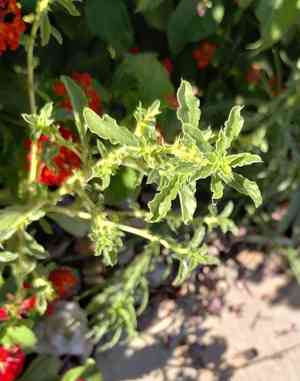
Tumbleweed (Amaranthus albus)
Also known as: White pigweed, Pigweed amaranth, White amaranth
Common ragweed (Ambrosia artemisiifolia) is a rapidly growing annual plant often seen in fields, pastures, and along roadsides. The plant is notorious for causing seasonal allergies due to its pollen. The term "ragweed" comes from its ragged-looking leaves.
In This Article
Attributes of Tumbleweed
Lifespan
Annual
Plant Type
Herb
Plant Height
10 cm to 1.02 m
Spread
1 m
Leaf Color
Green
Flower Size
1.3 mm
Flower Color
White Green
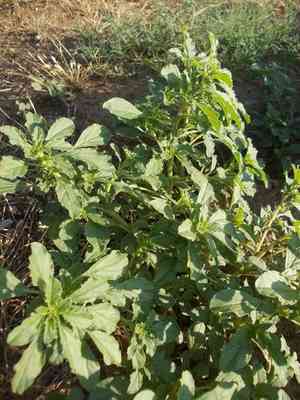
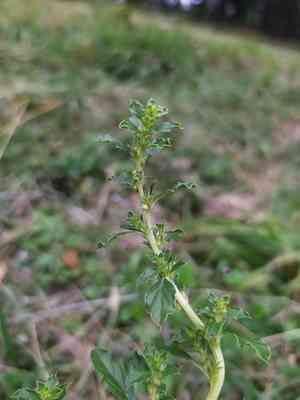
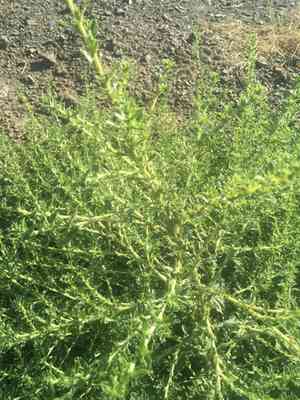
Images of Tumbleweed
Quickly Identify Tumbleweed
1
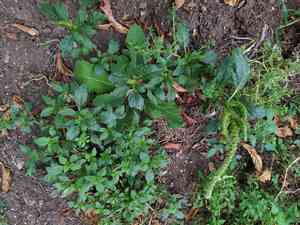
Amaranthus albus can be identified by its low-growing, prostrate habit, small ovate leaves with smooth margins, and greenish-white flowers that form dense clusters. The stems are often reddish and the plant tends to form mats on the ground.
Scientific Classification of Tumbleweed
Phylum
Vascular plants
Class
Dicotyledons
Order
Caryophyllales
Family
Amaranth
Genus
Amaranths
Species
Tumbleweed
Planting and Growing of Tumbleweed
Care Difficulty
Easy
Watering Schedule
Every 3 days
Sunlight Requirements
Full sun
Sunshine Duration
6-10 hours
Ideal Temperature
60-85℉
Soil Type
Potting Mix, Peat Mix
Soil pH
6.5-7.5
Fertilizer Type
Balanced
Pruning Season
Spring, Summer
Pruning Area
Branches, Leaves
Pruning Frequency
2 times a year
Repotting Season
Spring
Pot Type
Plastic, Ceramic
 How to Water Tumbleweed?
Amaranthus albus prefers to have its soil kept moderately moist. Providing 250 milliliters of water should be enough to reach the root zone but avoid waterlogging. The soil should not be waterlogged, and it is important to allow the top inch of soil to dry out between waterings.
What are the symptoms of an underwatered Tumbleweed?
›
What should I do if my Tumbleweed is not getting enough water?
›
What are the symptoms of an overwatered Tumbleweed?
›
How to save an overwatered Tumbleweed?
›
 What Are the Sunlight Requirements for Tumbleweed?
Amaranthus albus flourishes in environments with full to partial sunlight. Adequate light ensures vigorous growth, enhances flowering, and builds resistance against pests and diseases.
What is the ideal light intensity for Amaranthus albus?
›
How can I ensure the plant gets enough sunlight?
›
What benefits does ideal lighting offer to Amaranthus albus?
›
 What Is the Ideal Temperature Range for Tumbleweed?
The ideal temperature range for Amaranthus albus is between 60°F and 85°F. This range facilitates optimal growth and development. The moderate warmth supports the plant’s physiological processes, enhancing its ability to photosynthesize and uptake nutrients efficiently.
 What Soil is Best for Tumbleweed?
Amaranthus albus thrives in well-drained soil, which prevents waterlogging that can lead to root rot. Good drainage ensures that the soil remains aerated, allowing roots to absorb necessary nutrients effectively. This plant prefers soil with moderate fertility levels, which means it does not require high nutrient concentrations. A balanced soil supports healthy growth by providing essential nutrients without causing the plant to become overly lush and weak. Amaranthus albus can tolerate soils with low organic matter, making it suitable for less fertile areas. This attribute is beneficial for environments that don't receive frequent organic amendments or composting.
 How to Fertilize Tumbleweed?
Amaranthus albus, known commonly as white amaranth, grows well in nutrient-poor soils but benefits from moderate fertilization. When applying liquid fertilizer, a dilution ratio of 1:10 (fertilizer to water) is ideal. For solid fertilizers, use around 20 grams per square meter to support healthy growth without overwhelming the plants.
 How to Prune Tumbleweed?
Begin by removing any dead, damaged, or diseased stems and leaves. Cutting these away helps prevent the spread of pathogens and directs the plant's energy to healthier growth. Trim the plant to maintain a desirable shape and control height. Regular pruning promotes denser growth, ensuring a full and lush appearance throughout its growing season.
 How to Propagate Tumbleweed plant?
1
Begin by filling your seed trays with a sterile potting mix. Sow Amaranthus albus seeds evenly on the surface of the soil. Lightly cover them with a thin layer of the potting mix and mist gently with water.
2
Place the seed trays in a warm location with indirect sunlight. Maintaining a temperature of around 70°F (21°C) will encourage germination. Covering the trays with a clear plastic cover can help retain moisture and warmth.
3
Once seedlings have developed their first set of true leaves, they can be transplanted into individual pots. Handle the seedlings with care to avoid damage to their delicate roots and stems.
 How to Repot Tumbleweed plant?
1
Amaranthus albus requires repotting when its growth becomes stunted, or roots emerge from drainage holes, indicating they need more space. It's best to repot during spring or summer, as the plant is actively growing during these seasons, helping it to adapt more easily to the new environment.
2
Select a pot that's 2 inches larger in diameter than the current one. This provides adequate space for root growth, preventing it from becoming pot-bound too quickly. Ensure the pot has sufficient drainage holes to avoid waterlogging, which can lead to root rot.
3
Choose a well-draining loamy soil mix to ensure proper aeration and water retention. This type of soil supports healthy root development and minimizes the risk of waterlogging and nutrient deficiency, providing a balanced medium for Amaranthus albus to thrive.
Toxicity
Ingestion
WARNING
The judgment on toxicity and danger is for reference only. We DO NOT GUARANTEE any accuracy of such judgment. Therefore, you SHALL NOT rely on such judgment. It is IMPORTANT TO SEEK PROFESSIONAL ADVICE in advance when necessary.



