How to Transplant Alyce clover?
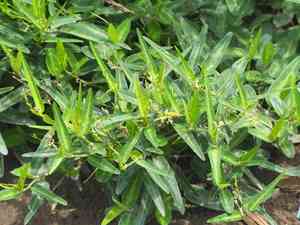
Alyce clover flourishes when relocated in the lively period of early to mid-spring. Opt for brightly lit areas with soil that drains effectively to guarantee robust development. Bear in mind, disruption ought to be kept at a minimum to enable the root system to anchor securely and thrive.
What Preparations are Needed Before Transplanting Alyce Clover?
What is the Ideal Time for Transplanting Alyce Clover?
Alyce clover should ideally be moved in early to mid-spring when ground temperatures begin to rise. This timing allows roots to establish well before summer's heat. Transplanting at this time ensures robust growth, minimizes transplant shock, and maximizes flowering potential by aligning with the plant's natural growth cycle.
How Much Space Should You Leave Between Alyce Clover Plants?
When relocating alyce clover, ensure each plant is spaced 12-18 inches (30-45 cm) apart. This provides ample room for development and promotes good air circulation to prevent diseases. Happy planting!
What is the Best Soil Mix for Alyce Clover Transplanting?
For alyce clover, prepare well-draining soil abundant in organic matter. Loamy soil is optimal. Before transplanting, incorporate a balanced fertilizer, such as a 10-10-10 formula, into the soil to give your plants a nourishing start. Youâre doing great!
Where Should You Relocate Your Alyce Clover?
Select a sunny location for alyce clover where it can receive at least 6-8 hours of direct sunlight daily. This will help your plants to flourish and produce beautiful blooms. Keep up the good work!
What Equipments Should You Prepare Before Transplantation Alyce Clover?
Gardening Gloves
To safeguard your hands while handling soil and plants.
Shovel or Spade
To excavate and lift the plant from its original spot.
Trowel
To assist with smaller plants or when greater precision is required.
Pruning Shears
To trim any dead or damaged roots prior to transplanting.
Watering Can or Hose
To hydrate the plants before and after relocation.
Bucket or Container
To transport the plant if moving it from a pot or seedling tray.
How Do You Remove Alyce Clover from the Soil?
How Do You Remove Alyce Clover from the Soil?
From Ground: First, water the alyce clover plant to moisten the soil. Then, dig a wide trench around the plant using a shovel or spade, ensuring the plant's root ball remains intact. Carefully work the spade beneath the root ball to lift the plant from its original location.From Pot: Gently water the alyce clover plant to loosen the soil. Invert the pot and tap the bottom to dislodge the root ball. Carefully slide the root ball out from the pot, making sure to support it with your hand to avoid damaging the roots.From Seedling Tray: Water the seedlings to make the soil damp and easy to work with. Use a trowel to gently lift the seedlings, ensuring you keep as much of the root ball intact as possible. Handle them by the leaves or stems, not the roots, to avoid causing damage.
Step-by-Step Guide for Transplanting Alyce Clover
Prep the New Location
Before moving your alyce clover, ensure the new planting site is prepared. Dig a hole that is wide and deep enough to comfortably accommodate the root ball.
Amend the Soil
Incorporate any necessary amendments to enhance soil structure and fertility based on your previous soil analyses.
Remove the Plant
Refer to the removal process above to safely extract the plant from its original location.
Place the Plant
Position the alyce clover in the new hole at the same depth it was growing previously. Ensure that the root ball is level with the surrounding soil surface.
Backfill the Hole
Fill in the hole with soil, gently firming it around the root ball to eliminate air pockets. Be careful not to compact the soil too much.
Water Thoroughly
Water the transplanted alyce clover generously to help the soil settle around the roots and reduce transplant shock.
Install Supports
If necessary, add any supports such as stakes or cages to help the plant stay upright and secure in its new location.
How Do You Care For Alyce Clover After Transplanting?
Watering
Keep the soil around the alyce clover consistently moist, but not waterlogged, for the first few weeks after transplanting to help establish strong roots.
Mulching
Apply a layer of mulch around the base of the plant to conserve moisture, regulate soil temperature, and reduce weed competition.
Monitoring
Keep an eye on the alyce clover for signs of transplant shock (wilting, yellowing leaves) and adjust care as needed. Provide extra shade or water if necessary.
Fertilizing (if needed)
Follow any specific fertilizer recommendations once the plant shows new growth. Avoid over-fertilizing as it can cause more stress to the plant.
Troubleshooting Common Issues with Alyce Clover Transplantation.
What's the best time to transplant alyce clover?
The optimal time for relocating alyce clover is in early to mid-spring for best results.
How should I space the alyce clover plants?
Space the plants 12-18 inches (30-45 cm) apart for healthy growth.
What should I do if the leaves turn yellow?
Ensure the plant is not overwatered and check for proper drainage to remedy yellow leaves.
How deep should I plant alyce clover seedlings?
Plant the seedlings at the same depth they were growing in their previous container.
What type of soil is suitable for alyce clover?
Use well-draining soil rich in organic matter to ensure healthy alyce clover growth.
How do I harden off alyce clover seedlings?
Gradually expose the seedlings to outdoor conditions over 7-10 days before transplanting.
How to protect alyce clover from transplant shock?
Water thoroughly after transplanting and provide temporary shade for the first few days.
How much water does alyce clover need after transplanting?
Keep the soil consistently moist but not waterlogged, especially in the initial weeks.
Can I transplant alyce clover in summer?
Relocating in summer is risky due to heat stress; early to mid-spring is preferable.
What should I do if alyce clover wilts after transplanting?
Ensure proper watering and consider reducing sun exposure until the plant recovers.



