How to Prune Alyce clover?
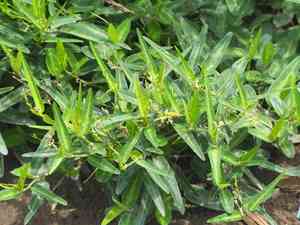
Alyce clover is a adaptable leguminous plant recognized for its thick, elliptical leaves and vivid blossoms. Essential trimming methods involve eliminating faded flowers, reducing congested sections, and cutting back surplus development. The most favorable periods for pruning are spring, summer, and autumn, coinciding with the plant's vigorous growth periods. Pruning stimulates robust growth, boosts air movement, and amplifies flowering. Always use disinfected implements to avert illness. Consistent upkeep contributes to strong plant maturation and extended life.
What Are the Benefits of Pruning Alyce Clover?
What Are the Benefits of Pruning Alyce Clover?
Trimming alyce clover encourages robust development and maintains its form. It fosters healthy growth, boosts blooming, manages size, improves look, and increases resistance to pests and diseases, ensuring a strong and appealing plant.
What Is the Best Time for Pruning Alyce Clover?
What Is the Best Time for Pruning Alyce Clover?
Trimming or cutting back alyce clover in Spring, Summer, and Fall ensures the plant's well-being and optimal development. In Spring, the plant awakens from dormancy, allowing it to recover and produce vigorous new growth. Summer pruning helps control the plant's dimensions and shape without significantly impacting its vitality, as alyce clover is actively growing. Fall pruning prepares the plant for the dormant winter period, reducing disease risk and promoting a strong start in the subsequent growing season. Pruning during these periods aligns with alyce clover's growth cycle and maximizes flowering or fruiting while preserving the plant's overall health.
What Tools Do I Need to Prune Alyce Clover?
Hand pruners
Perfect for snipping small stems and removing spent flowers, ensuring precise cuts without harming the plant.
Bypass pruners
Useful for making clean cuts on living branches, preventing crushing or tearing which can damage alyce clover's delicate stems.
Lopping shears
Essential for cutting thicker and harder-to-reach branches, enabling effective trimming of overgrown areas.
Pruning saw
Necessary for removing any larger, dead, or overgrown branches, ensuring a clean cut and encouraging healthy regrowth.
Gloves
Protect your hands from potential thorns or rough stems while trimming alyce clover.
How to Prune Alyce Clover
Identify
Carefully inspect alyce clover to locate all shriveled leaves that require removal. Shriveled leaves appear dry, discolored, or are visibly damaged.
Tools
Gather the necessary tools for trimming: sharp pruning shears or scissors. Ensuring your tools are clean and sharp will simplify the process and prevent damage to healthy plant parts.
Cut
Starting from the base of the shriveled leaves, make a clean cut at the point where the leaf connects to the stem. Avoid cutting too close to healthy leaves to minimize potential harm.
Dispose
Properly discard all removed shriveled leaves. This helps prevent any potential spread of disease or pests that could affect alyce clover.
Check
After trimming, examine alyce clover for any missed shriveled leaves or damaged parts that might need attention. Ensure the plant appears healthy and well-maintained.
Common Pruning Mistakes with Alyce Clover
Incorrect technique
Using improper cutting tools or methods can harm plant tissues, leading to poor regrowth or increased susceptibility to diseases.
Over-pruning
Removing too much foliage at once can stress alyce clover, weakening its overall health and hindering its ability to properly photosynthesize.
Timing
Trimming at the wrong time can disrupt alyce clover's growth cycle and reduce flowering. While the best season is not discussed here, avoiding the peak blooming stage is crucial.
Unsanitized tools
Using dirty or dull pruning tools can introduce pathogens to alyce clover, leading to infections or disease.
Ignoring plant structure
Failing to understand the natural growth habit of alyce clover can result in an unbalanced or unattractive shape, which can negatively impact its development.
Common Pruning Tips for Alyce Clover
Use clean tools
Always sanitize your trimming tools before and after use to prevent the spread of diseases. Sharp tools make cleaner cuts and help alyce clover heal faster.
Follow the 1/3 rule
Never remove more than one-third of the plant's foliage at a time. This ensures that alyce clover remains healthy and capable of sustaining its growth.
Cut just above nodes
Make cuts slightly above a node (where leaves attach to the stem), as this promotes new growth and helps maintain alyce clover's natural shape.
Remove dead or diseased parts
Promptly trim away any dead, damaged, or diseased sections to maintain the overall health and appearance of alyce clover.
Understand growth habit
Familiarize yourself with the natural growth pattern of alyce clover to make more informed decisions about where and how to trim, maintaining a balanced structure.



