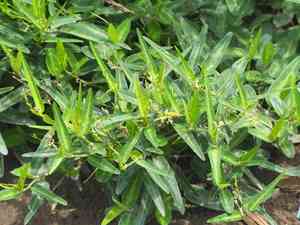
Alyce clover (Alysicarpus ovalifolius)
Also known as: Oneleaf clover
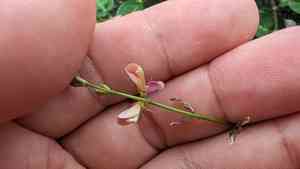
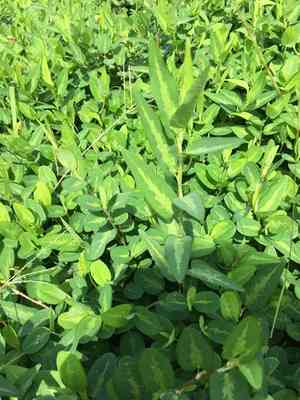
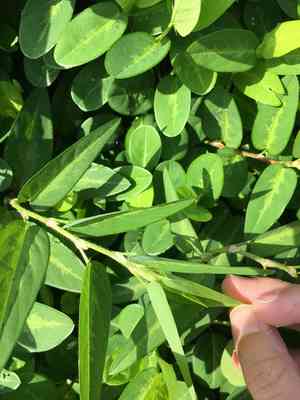
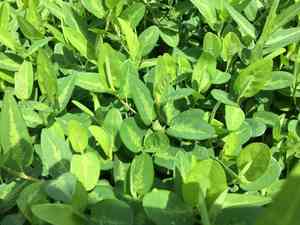
Alyce clover (Alysicarpus vaginalis) features trifoliate leaves that are small and oval to oblong in shape, closely hugging the stems. This warm-season annual legume is commonly found in sunny, open grasslands and thrives in sandy or loamy soils. Its growth habit is upright but can also exhibit a vining nature, allowing it to spread across the ground with resilient, slender stems. The plant is adorned with charming, pink to purple flowers that form in cylindrical clusters, adding a delicate touch to its natural habitat in tropical and subtropical regions.
In This Article
Attributes of Alyce clover
Lifespan
Annual
Plant Type
Herb
Plant Height
35 cm
Spread
Not typically measured due to sprawling growth
Leaf Color
Green
Flower Size
5 cm to 10 cm
Flower Color
Yellow Red Purple Orange Pink
Images of Alyce clover
Quickly Identify Alyce clover
1
Look for a sprawling habit, small oval leaves, and tiny pink or purple flowers. The stems are often hairy and may root at the nodes.
Scientific Classification of Alyce clover
Phylum
Vascular plants
Class
Dicotyledons
Order
Fabales
Family
Legume
Genus
Moneyworts
Species
Alyce clover
Planting and Growing of Alyce clover
Care Difficulty
Moderate
Watering Schedule
Every 3 days
Sunlight Requirements
Full sun
Sunshine Duration
6-10 hours
Ideal Temperature
70-85℉
Soil Type
Potting Mix, Peat Mix
Soil pH
6.5-7.5
Fertilizer Type
Balanced
Pruning Season
Spring, Summer
Pruning Area
Branches, Leaves
Pruning Frequency
2 times a year
Repotting Season
Spring
Pot Type
Plastic, Terracotta
 How to Water Alyce clover?
For Alysicarpus ovalifolius, watering should ensure the soil remains consistently moist but not waterlogged. Use about 250 ml to achieve sufficient saturation without causing root rot. Water until excess flows out of the drainage holes.
What are the symptoms of an underwatered Alyce clover?
›
What should I do if my Alyce clover is not getting enough water?
›
What are the symptoms of an overwatered Alyce clover?
›
How to save an overwatered Alyce clover?
›
 What Are the Sunlight Requirements for Alyce clover?
Alysicarpus ovalifolius flourishes under full sun to partial sun conditions. Ideal lighting supports its growth, encourages flowering, and bolsters overall vigor, enabling lush, resilient plant health.
What's the best light condition for Alysicarpus ovalifolius?
›
How can I achieve ideal lighting for Alysicarpus ovalifolius?
›
What benefits can Alysicarpus ovalifolius expect from optimal lighting?
›
 What Is the Ideal Temperature Range for Alyce clover?
For optimal growth, Alysicarpus ovalifolius thrives in temperatures ranging from 70°F to 85°F. This range supports healthy physiological processes and promotes vibrant foliage and flowering. Maintaining this temperature range ensures the plant's metabolic activities are functioning at their best.
 What Soil is Best for Alyce clover?
Alysicarpus ovalifolius thrives in well-drained soil because it prevents waterlogging, which can damage root systems and hinder growth. The plant benefits from aerated soil that allows for efficient gas exchange. The plant requires moderate nutrient levels in the soil to support its growth and flowering. Loamy soil naturally balances organic matter, making nutrients readily available for Alysicarpus ovalifolius. While good drainage is critical, the soil should also retain adequate moisture. This balance helps the plant maintain hydration without drowning the roots, which can be effectively achieved with sandy loam.
 How to Fertilize Alyce clover?
Alysicarpus ovalifolius benefits from a balanced fertilizer approach. For liquid fertilizer, use a diluted solution of 50% the recommended strength for general plants; apply about 100ml per plant. Solid fertilizers can be used in small quantities—1 to 2 tablespoons per application.
 How to Prune Alyce clover?
Start by using a pair of clean, sharp scissors or pruning shears. Identify the overgrown or damaged stems, and make a 45-degree cut just above a leaf node. This encourages new growth to sprout from the cutting point. Don't shy away from trimming the plant to the desired shape, but ensure that you do not remove more than one-third of the total plant to avoid stress. To maintain a specific shape or form, visualize the desired outline of the plant. Methodically snip away the shoots that stray from this shape, allowing the plant to develop a denser structure. This not only improves the aesthetic appeal but also strengthens the plant against strong winds and possible structural damage.
More About Pruning Techniques→
 How to Propagate Alyce clover plant?
1
Collect mature seeds from healthy plants. Ensure the seeds are fully developed and dry them out properly to prevent mold and improve germination rates.
2
Select a healthy stem section and use pruning shears to make a clean cut. Remove any excess leaves to reduce water loss and dip the cut end in rooting hormone.
3
For seeds, sow them in a seed tray with a proper soil mix. For cuttings, plant them in pots with a well-draining substrate. Ensure regular watering and maintain humidity.
 How to Repot Alyce clover plant?
1
Repot Alysicarpus ovalifolius when you notice roots are growing out of the drainage holes or when the growth appears stunted. Another good indicator is if water runs straight through the pot, suggesting compacted soil. The best time to undertake this process is during spring or summer, allowing the plant to establish before its active growth period.
2
Select a pot that is 1-2 inches larger in diameter than the current one. Ensure it has adequate drainage holes to prevent water-logging, which can lead to root rot. The material of the pot can be terracotta or plastic, providing either breathability or moisture retention based on your watering habits and environment.
3
Opt for a well-draining potting mix which is crucial for preventing root rot. Add perlite or sand to enhance drainage. This mixture mimics the plant's natural habitat and ensures that it receives enough moisture while preventing excess water from stagnating around the roots.



