How to Transplant Creeping meadow foxtail?
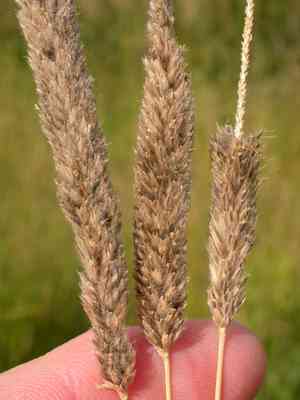
Relocate creeping meadow foxtail from late spring to early summer, utilizing this timeframe's ideal environment for root development. Select a site that receives abundant sunlight and possesses soil with good drainage. To achieve optimal outcomes, verify the soil is damp and creeping meadow foxtail receives thorough watering after being moved.
What Preparations are Needed Before Transplanting Creeping Meadow Foxtail?
What is the Ideal Time for Transplanting Creeping Meadow Foxtail?
The perfect period for moving creeping meadow foxtail is during the mild warmth of late spring or the onset of early summer. This timing offers prime conditions for root establishment prior to autumn, fostering strong development. Relocating creeping meadow foxtail in this season allows plants to benefit from increased daylight and moderate temperatures, vital for developing robust roots, ensuring your creeping meadow foxtail flourishes. A helpful tip: guarantee a smooth transition by preparing the soil beforehand and watering sufficiently after transplant.
How Much Space Should You Leave Between Creeping Meadow Foxtail Plants?
When selecting a comfortable spot for your creeping meadow foxtail, aim for ample room! Position them approximately 15-18 inches (38-46 cm) apart. This will provide each plant with the individual space it requires to thrive and expand its foliage.
What is the Best Soil Mix for Creeping Meadow Foxtail Transplanting?
For thriving creeping meadow foxtail roots, blend your garden soil with some organic compost. A pH from neutral to slightly acidic is optimal. Before transplanting, enrich the soil with a starter fertilizer, such as a balanced 10-10-10 mix, to encourage growth from below!
Where Should You Relocate Your Creeping Meadow Foxtail?
Sunshine makes creeping meadow foxtail happy! Select a location that receives full sun to partial shade. This means about 6 hours of sunlight daily. Finding a sufficiently sunny spot can significantly benefit these green beauties.
What Equipments Should You Prepare Before Transplantation Creeping Meadow Foxtail?
Gardening Gloves
To safeguard your hands while handling soil and creeping meadow foxtail.
Spade or Shovel
To excavate around and beneath the creeping meadow foxtail for removal and to prepare the new planting site.
Garden Fork
To loosen the soil if necessary, without harming the roots.
Watering Can or Hose
To hydrate the creeping meadow foxtail before and after relocation.
Garden Trowel
To adjust soil in the new planting area and help secure the plant.
Wheelbarrow or Tarp
To transport the creeping meadow foxtail from its original spot to the new location.
Pruning Shears
To trim any damaged roots or leaves prior to transplanting.
How Do You Remove Creeping Meadow Foxtail from the Soil?
How Do You Remove Creeping Meadow Foxtail from the Soil?
From Ground: First, irrigate the creeping meadow foxtail to moisten the soil, making it easier to work with. Dig a wide circle around the plant with a spade or shovel, then carefully insert the shovel beneath the plant to lift out the root ball with minimal disruption.From Pot: Start by watering the creeping meadow foxtail to ensure the roots are hydrated. Turn the pot on its side, gently tap the sides and bottom, and carefully slide the plant out while supporting the root ball.From Seedling Tray: Water the tray to prevent root damage. Use a garden trowel or your fingers to gently lift the creeping meadow foxtail from its cell, supporting the root ball and being careful not to pull on the stems.
Step-by-Step Guide for Transplanting Creeping Meadow Foxtail
Prepare the New Site
Dig a hole twice as wide and equally deep as the creeping meadow foxtail's root ball.
Remove the Plant
Follow the removal procedure specific to its initial location, whether from the ground, a pot, or a seedling tray.
Place the creeping meadow foxtail
Position the creeping meadow foxtail in the center of the new hole, gently spreading out the roots if they are pot-bound.
Fill the Hole
Refill the hole with soil, gently firming it around the root ball to eliminate air pockets.
Water Thoroughly
Provide ample water to settle the soil around the roots.
Mulch
Apply a layer of organic mulch around the base of the creeping meadow foxtail, avoiding direct contact with the stems to maintain moisture and temperature levels.
How Do You Care For Creeping Meadow Foxtail After Transplanting?
Watering
Ensure consistent moisture in the soil surrounding the creeping meadow foxtail, especially during the initial weeks to establish strong roots.
Mulching
Maintain the mulch layer to help retain soil moisture and suppress weeds.
Monitoring
Regularly inspect the creeping meadow foxtail for signs of stress or pest issues and address them as needed.
Pruning
Trim any dead or damaged foliage to encourage new growth.
Support
Provide temporary support if the creeping meadow foxtail shows signs of instability in its new location.
Troubleshooting Common Issues with Creeping Meadow Foxtail Transplantation.
What's the best time to transplant creeping meadow foxtail?
Transplant creeping meadow foxtail during the optimal period of the year, typically from mid-spring to early summer, for best outcomes.
How far apart should I space creeping meadow foxtail plants?
For ideal growth, allow creeping meadow foxtail ample room to thrive by spacing them 15-18 inches (38-46 cm) apart.
Why is my creeping meadow foxtail not thriving after transplant?
Ensure creeping meadow foxtail was planted at the same soil depth as before and that the soil is well-drained and fertile. Consistent watering and sunlight are crucial!
How much should I water creeping meadow foxtail after transplanting?
Water creeping meadow foxtail generously immediately after transplanting to settle the soil, then maintain moderate but regular watering to keep the soil moist.
Can I transplant creeping meadow foxtail in full sun?
Absolutely! Creeping meadow foxtail flourishes in full sun to partial shade. Just ensure it receives sufficient light for vigorous growth.
Should I fertilize creeping meadow foxtail when I transplant?
It's best to enrich the soil with compost or a balanced, slow-release fertilizer to give creeping meadow foxtail a healthy start.
How do I prepare the soil for transplanting creeping meadow foxtail?
Cultivate the soil, incorporate organic matter, and ensure it has good drainage. This will create an ideal environment for creeping meadow foxtail.
Is it necessary to prune creeping meadow foxtail before transplanting?
Trimming back long or damaged roots promotes healthier growth. A light trim to the foliage can also reduce transplant shock.
My creeping meadow foxtail looks wilted post-transplant, what should I do?
Wilting is common. Keep the soil consistently moist and provide shade if extreme heat follows transplanting. It should recover!
What signs indicate creeping meadow foxtail is ready for transplant?
Signs that creeping meadow foxtail requires more space include overcrowding, visible roots at the surface, or simply outgrowing its current location.



