How to Prune Creeping meadow foxtail?
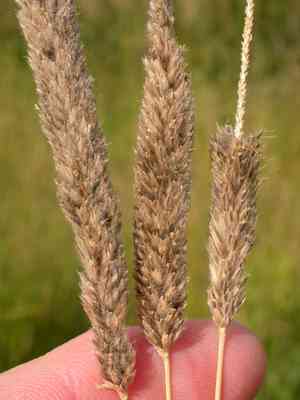
Known for its swift expansion, creeping meadow foxtail flourishes when adequately cared for. Trimming should begin in early spring or throughout its winter resting period. Cut away any lifeless or excessively long stems to foster robust development and avert congestion. Reducing the density of thick areas enhances air movement, thereby lowering the likelihood of illness. Removing spent blooms can also stimulate vegetative strength. Consistent trimming results in a more controllable and visually appealing clump, while preserving its inherent sturdy form.
Advantages of Trimming Creeping Meadow Foxtail
Advantages of Trimming Creeping Meadow Foxtail
Trimming creeping meadow foxtail promotes robust development and helps preserve its desired shape. Regular cutting back can stimulate new, healthy shoots, ensuring the plant remains strong and well-formed.
Optimal Time for Trimming Creeping Meadow Foxtail
Optimal Time for Trimming Creeping Meadow Foxtail
Trimming creeping meadow foxtail in early spring is ideal as it's typically a period of vigorous growth, allowing the plant to recover quickly from pruning stress. This timing also precedes the main growing season, enabling creeping meadow foxtail to direct energy into new, healthy growth without affecting its ability to flower or fruit later in the year. Pruning during winter, when creeping meadow foxtail is dormant, is also beneficial. At this time, the plant's energy is stored in the roots, making it less vulnerable to pruning stress. Furthermore, the absence of leaves in winter provides a clearer view of the plant's structure, allowing for more precise cuts and better shaping of creeping meadow foxtail. Both seasons also reduce the risk of disease transmission, as many pathogens are less active or prevalent during these periods.
Tools Required for Trimming Creeping Meadow Foxtail
Hand Pruners
Perfect for cutting through the slender stems of creeping meadow foxtail. They should be sharp and clean to prevent damage and disease spread.
Grass Shears
Suitable for precise shaping and trimming of creeping meadow foxtail, especially for cutting in confined spaces or for detailed work.
String Trimmer
Effective for managing larger areas where creeping meadow foxtail is growing. This power tool can quickly trim and shape the grass.
Scythe or Sickle
These can be used for cutting larger swaths of creeping meadow foxtail efficiently, which is helpful for managing growth in meadows or rural gardens.
Lawn Mower
Appropriate for maintaining a uniform height of creeping meadow foxtail over a larger landscape area, facilitating healthy growth and keeping the garden tidy.
How to Trim Creeping Meadow Foxtail
Identify
Identify and assess all diseased and withered leaves on creeping meadow foxtail, as these are the parts that need to be removed to maintain the plant's health.
Sanitize
Before beginning the trimming process, sanitize your pruning shears with isopropyl alcohol to prevent the spread of any diseases during the trimming of creeping meadow foxtail.
Trim
Carefully trim away the diseased and withered leaves from creeping meadow foxtail, cutting at the base where the leaf stem meets the main plant, taking care not to damage adjacent healthy tissues.
Dispose
Dispose of the removed leaves properly by placing them in a bag and not in the compost to avoid spreading any potential diseases that may affect creeping meadow foxtail or other plants.
Inspect
After trimming, inspect creeping meadow foxtail for any signs of additional stress or disease and repeat the pruning process if necessary, ensuring the plant maintains a healthy appearance.
Common Trimming Errors with Creeping Meadow Foxtail
Excessive Trimming
A common error is removing too much foliage from creeping meadow foxtail, which can stress the plant and impede its growth. It's important to trim sparingly and carefully to avoid damaging the plant.
Incorrect Technique
Using dull or dirty pruning tools can damage creeping meadow foxtail's stems, leading to ragged cuts that make the plant more susceptible to pests and diseases. Always use sharp, clean tools for clean cuts.
Trimming New Growth
Cutting the fresh green shoots of creeping meadow foxtail can be tempting, but it is a mistake as these are essential for photosynthesis and helps the plant thrive.
Ignoring Plant Shape
Disregarding the natural form of creeping meadow foxtail when trimming can lead to an unnatural appearance and potential damage to the plant's structure. It is essential to follow its natural growth habit.
General Trimming Advice for Creeping Meadow Foxtail
Selective Cutting
For creeping meadow foxtail, it's recommended to selectively cut back old and dead foliage, which encourages new growth and maintains the plant's vitality. Focusing on dead or diseased materials will improve the plant's overall health.
Thinning Out
Instead of shearing, thin out creeping meadow foxtail's growth to increase light penetration and air circulation. This helps prevent diseases and encourages more robust growth.
Post-Flowering Pruning
After creeping meadow foxtail has flowered, cutting back the flowered stems can encourage a second bloom and help maintain an attractive appearance.
Seasonal Awareness
While avoiding specifics about season, being conscious of the plant's growth cycle will guide you as to when it’s appropriate to prune for shaping or rejuvenating the plant. This knowledge is vital for keeping creeping meadow foxtail healthy.



