How to Transplant Short-awn foxtail?
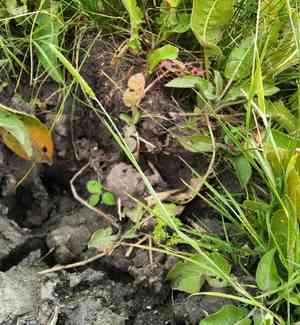
Short-awn foxtail thrives most effectively when relocated from late winter to early spring, allowing for vigorous development. Choose a site that receives full sun to partial shade and has damp earth. Careful handling during the transplanting process guarantees this resilient grass establishes itself successfully.
Preparations for Transplanting Short-awn Foxtail
Optimal Transplanting Period for Short-awn Foxtail
The prime period for moving short-awn foxtail spans from the onset of early spring warmth through to the peak of spring. Relocating short-awn foxtail at this time allows it to develop strong roots before summer's heat intensifies. This timing aligns with the plant's natural growth cycle, ensuring a smooth transition and vigorous development. By transplanting short-awn foxtail during this interval, you provide it with milder temperatures and ample spring moisture, facilitating its adjustment and promoting lush growth.
Required Spacing Between Short-awn Foxtail Plants
Hello, gardener! Before settling your short-awn foxtail into its new spot, ensure a spacing of approximately 6-8 inches (15-20 cm) between them. This provides each plant sufficient room to thrive without overcrowding its neighbors.
Ideal Soil Mixture for Short-awn Foxtail Transplanting
For your short-awn foxtail, prepare a welcoming bed by selecting fertile, well-draining soil. Incorporating compost as a base fertilizer is an excellent start to nourish the plants. You'll observe their gratitude through robust growth!
Optimal Location for Relocating Your Short-awn Foxtail
Your short-awn foxtail will flourish in a sunny location with some partial shade during the day. Aim for a spot that receives at least 4-6 hours of daily sunlight. This pleasant combination of sun and shade will keep your short-awn foxtail vibrant throughout the season!
Equipment Needed Before Transplanting Short-awn Foxtail
Gardening Gloves
To safeguard your hands while handling soil and plants.
Shovel or Spade
For excavating the plant and preparing the new planting site.
Hand Fork
To gently loosen the soil surrounding the plant's roots.
Pruners
For trimming any dead or excessively long roots.
Wheelbarrow or Garden Cart
For moving the plant and soil.
Watering Can or Hose
To hydrate the short-awn foxtail before and after transplantation.
Measuring Tape
To ensure recommended spacing between transplants.
How to Extract Short-awn Foxtail from the Soil
How to Extract Short-awn Foxtail from the Soil
From Ground: First, water the short-awn foxtail to moisten the soil around its root zone. Carefully dig a wide circle around the plant using a shovel or spade, taking care not to harm the root ball. Pry the spade beneath the root ball to lift the plant from the ground.From Pot: Water the short-awn foxtail and allow it to sit for a few minutes. Grasp the plant's base and gently tip the pot sideways. Tap the pot's edges or squeeze its sides if it's a flexible container to loosen the soil, easing the plant out without pulling on the stems.From Seedling Tray: Dampen the soil in the tray to facilitate transplanting. Use a hand fork or similar tool to carefully lift individual short-awn foxtail seedlings by their leaves, not their delicate stems, ensuring a good amount of soil remains with the roots.
Step-by-Step Guide for Transplanting Short-awn Foxtail
Prepare the New Location
Before transplanting, prepare the new site by digging a hole that is twice the width of the short-awn foxtail's root ball and as deep as its previous planting depth.
Careful Extraction
When removing the short-awn foxtail from its original spot, handle it gently to minimize root disturbance and damage. Keep as much soil around the roots as possible.
Positioning in the Hole
Place the short-awn foxtail in the center of the new hole at the same depth it was growing before. Gently spread out the roots if they are pot-bound or compacted.
Backfill and Water
Backfill the hole with soil, lightly firming it down to remove air pockets. Water the short-awn foxtail thoroughly to settle the soil around the roots and help reduce transplant shock.
Stabilize the Plant
If the short-awn foxtail is tall or top-heavy, you may need to stake it for support until it can establish its roots in the new location.
Post-Transplanting Care for Short-awn Foxtail
Initial Watering
Keep the soil around short-awn foxtail consistently moist for the first few weeks, allowing the soil surface to just begin drying out between waterings to encourage deeper root growth.
Mulching
Apply a layer of organic mulch around the base of short-awn foxtail to retain moisture, regulate soil temperature, and suppress weeds. Keep the mulch a few inches away from the plant stem to prevent rot.
Monitoring & Protection
Regularly inspect the short-awn foxtail for signs of stress, pests, or disease. Shield it from strong winds and provide stakes if necessary until its root system is robust.
Avoid Fertilization
Refrain from fertilizing short-awn foxtail immediately after transplanting, as its roots are sensitive and can be damaged by fertilizer. Wait until the plant shows signs of new growth.
Troubleshooting Common Short-awn Foxtail Transplantation Issues
When is the best time to transplant short-awn foxtail?
Transplant short-awn foxtail during the optimal period of the year, typically early to late spring, once the ground thaws.
What spacing should I use for short-awn foxtail when transplanting?
Allow short-awn foxtail ample space to thrive by planting them approximately 6-8 inches (15-20 cm) apart during transplantation.
Why are my transplanted short-awn foxtail wilting?
Wilting after transplanting short-awn foxtail could be due to stress. Ensure the soil is moist and initially protect them from intense sunlight.
How deep should I plant short-awn foxtail?
Dig a hole for short-awn foxtail just deep enough to cover the root ball, no deeper, to promote proper growth.
Can I transplant short-awn foxtail during summer?
It's feasible, but not ideal. Choose a cooler period in the warm months and maintain consistent soil moisture.
How much should I water short-awn foxtail after transplanting?
Water short-awn foxtail generously immediately after transplanting and maintain consistent soil moisture for the initial couple of weeks.
Should I fertilize short-awn foxtail after transplanting?
Allow short-awn foxtail a few weeks to settle before fertilizing. Afterward, a balanced fertilizer can aid in promoting new growth.
What soil type is best for transplanting short-awn foxtail?
Prepare the ground for short-awn foxtail with well-draining soil rich in organic matter to keep its roots content.
How do I know when short-awn foxtail has rooted well after transplanting?
Give short-awn foxtail time; stability and new growth typically indicate successful rooting, usually a few weeks post-transplant.
Can I transplant short-awn foxtail when it's cloudy?
Cloudy, mild days are perfect for transplanting short-awn foxtail, reducing shock and assisting acclimatization to the new location.



