
Short-awn foxtail (Alopecurus aequalis)
Also known as: Dent foxtail, Sonoma alopecurus
Short-awn foxtail typically thrives in moist environments like wet meadows, marshlands, and streambanks. As a cool-season bunchgrass, it serves as forage for wildlife, although its nutritional value is modest and it is most palatable when young.
In This Article
Attributes of Short-awn foxtail
Lifespan
Perennial, Annual
Plant Type
Grass
Plant Height
10 cm to 70 cm
Spread
N/A (grass species)
Leaf Color
Green
Flower Size
3 mm to 6 mm
Flower Color
White Yellow Green Orange
Images of Short-awn foxtail

Quickly Identify Short-awn foxtail
1
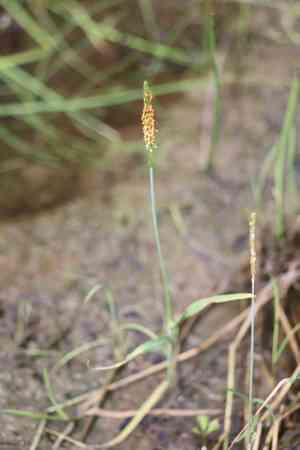
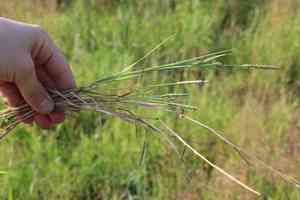
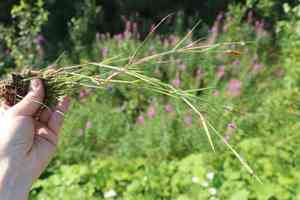
This plant can be identified by its erect stems, dense cylindrical inflorescences, and short awns less than 2 mm. The ligule is membranous and up to 3 mm in length.
Scientific Classification of Short-awn foxtail
Phylum
Vascular plants
Class
Monocotyledons
Order
Poales
Family
Grass
Genus
foxtail grass
Species
Short-awn foxtail
Planting and Growing of Short-awn foxtail
Care Difficulty
Easy
Watering Schedule
Every 3 days
Sunlight Requirements
Partial sun
Sunshine Duration
4-8 hours
Ideal Temperature
60-77℉
Soil Type
Potting Mix, Peat Mix
Soil pH
6.5-7.5
Fertilizer Type
Balanced
Pruning Season
Spring, Summer
Pruning Area
Branches, Leaves
Pruning Frequency
2 times a year
Repotting Season
Spring
Pot Type
Plastic, Ceramic
 How to Water Short-awn foxtail?
Alopecurus aequalis prefers moist soil but does not thrive in standing water. You should ensure that its soil is drenched but not waterlogged. A good rule of thumb is to allow the top 1–2 centimeters of soil to dry out slightly before watering again.
What are the symptoms of an underwatered Short-awn foxtail?
›
What should I do if my Short-awn foxtail is not getting enough water?
›
What are the symptoms of an overwatered Short-awn foxtail?
›
How to save an overwatered Short-awn foxtail?
›
 What Are the Sunlight Requirements for Short-awn foxtail?
Partial sun exposure is ideal for Alopecurus aequalis, allowing the plant to thrive with adequate energy for photosynthesis. This range supports robust growth and enhances its adaptability to varying environmental conditions.
More About Sunlight Requirements Techniques→
What is the best time to expose Alopecurus aequalis to sunlight?
›
How can I ensure Alopecurus aequalis gets optimal lighting conditions indoors?
›
Why is it beneficial for Alopecurus aequalis to receive ideal lighting?
›
 What Is the Ideal Temperature Range for Short-awn foxtail?
Alopecurus aequalis thrives in temperatures ranging from 60°F to 77°F. This range ensures optimal physiological processes, leading to healthy growth and development. Consistent exposure to this temperate environment enables the plant to efficiently photosynthesize, absorb nutrients, and maintain cellular functions essential for its vigorous growth.
 What Soil is Best for Short-awn foxtail?
Alopecurus aequalis thrives in well-drained soil which helps prevent root rot and ensures healthy root development. Proper drainage increases oxygen access to the roots, thus enhancing nutrient absorption. The plant grows optimally in soils rich in organic matter. The presence of nutrients supports lush growth and vibrant foliage. Composted materials and natural fertilizers are ideal for boosting soil fertility. This grass prefers soil that retains adequate moisture without becoming waterlogged. Sufficient moisture levels support sustained growth, especially during dry spells, keeping the plant's leaves green and healthy.
 How to Fertilize Short-awn foxtail?
For Alopecurus aequalis, fertilization can be calibrated to its growth spectrum. Light applications are preferred. For liquid fertilizers, using a dilution appropriate for foliar feeding is optimal, typically around a quarter of the recommended concentration to avoid nutrient burn. For granular fertilizers, light scatter atop the soil can yield results without overwhelming the root zone.
 How to Prune Short-awn foxtail?
Begin by identifying dead or damaged stems and leaves during the active growing seasons. Use sharp, sterilized scissors to cut off debris and unproductive parts. Trim back approximately a third of the plant, focusing on reshaping it to improve air circulation and sunlight penetration, which enhances overall vitality and appearance.
More About Pruning Techniques→
 How to Propagate Short-awn foxtail plant?
1
Begin by filling the seed tray with a fine soil mix. Ensure the soil is evenly distributed and lightly firmed down to remove large air pockets. Moisten the soil appropriately without waterlogging it.
2
Sow the seeds evenly across the soil surface, maintaining adequate spacing between each seed. Gently press the seeds into the soil and cover them lightly with a thin layer of soil or vermiculite.
3
After sowing, lightly water the seeds to settle them in and encourage germination. Place the tray in a warm location with indirect sunlight. Ensure the environment remains humid and consistent in temperature.
 How to Repot Short-awn foxtail plant?
1
Alopecurus aequalis signals its need for repotting when its roots start to circle the pot's bottom, or when the plant begins to outgrow its current pot, appearing overly crowdy. It’s best to repot during its active growing seasons in spring and summer for optimal adaptation.
2
Select a pot that is just one size larger than the current one, with ample drainage holes. This will prevent waterlogging and promote healthy drainage. A ceramic or terracotta pot can help regulate the soil's moisture better than plastic.
3
Opt for a loamy soil mix that retains moisture while allowing water to drain smoothly. Such a soil ensures the roots receive necessary hydration without risk of root rot, promoting a healthy root environment essential for Alopecurus aequalis.



