How to Prune Short-awn foxtail?
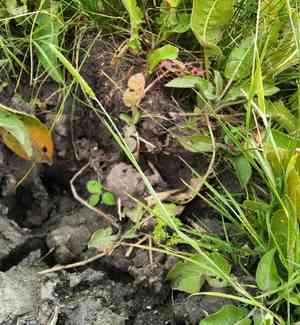
This enduring grass, identifiable by its brief bristles, flourishes in moist environments. For short-awn foxtail, trimming is generally not essential given its natural development. Nevertheless, should it be needed to manage its dimensions or eliminate deceased leaves, cutting back in early spring or winter coincides with its inactive phases and fosters vigorous development. Judicious trimming can deter unwanted expansion and encourage a neater look. Always employ sharp, sanitized cutting tools to prevent harm and safeguard the well-being of short-awn foxtail.
What Are the Benefits of Pruning Short-awn Foxtail?
What Are the Benefits of Pruning Short-awn Foxtail?
Trimming short-awn foxtail promotes robust development and maintains a tidy, dense shape. It eliminates dead or weak stalks, fostering a healthier plant structure while reducing disease risk.
What Is the Best Time for Pruning Short-awn Foxtail?
What Is the Best Time for Pruning Short-awn Foxtail?
Trimming or cutting short-awn foxtail in early spring is optimal, just before its active growth period begins. This timing allows for shaping and removal of dead or damaged foliage without stressing the plant, ensuring its energy goes into producing new, healthy growth. Winter is also suitable for pruning, as short-awn foxtail is typically dormant then, especially in colder regions. Winter pruning minimizes disease transmission and avoids disrupting the plant's summer flowering cycle. Additionally, the plant's structure is clearer in winter without leaves, aiding precise cuts. These seasonal considerations aim for robust health, vigorous growth, and abundant blooms in subsequent seasons.
What Tools Do I Need to Prune Short-awn Foxtail?
Garden Scissors or Snips
For precise cutting and trimming of short-awn foxtail's foliage, garden scissors or snips are effective due to their sharp blades that easily cut through the grass-like texture of short-awn foxtail.
Long-Handled Grass Shears
When short-awn foxtail needs shaping or thinning in denser areas, long-handled grass shears are ideal, offering extended reach, leverage, and reducing the need to bend, especially useful for ground cover plants like short-awn foxtail.
Hand Pruners
Hand pruners are suitable for selectively removing dead or damaged leaves or culms of short-awn foxtail. Their precise and sharp blades facilitate pruning without harming healthy parts.
Manual Weed Puller
If short-awn foxtail is unwanted in specific areas, a manual weed puller can help remove individual plants from the soil, effectively reducing the population without chemical intervention.
How to Prune Short-awn Foxtail
Clean
Sanitize your pruning tools to prevent disease spread. Use a solution of one part bleach to nine parts water, or alcohol wipes, to thoroughly clean shear or scissor blades before pruning short-awn foxtail.
Identify
Examine short-awn foxtail closely to pinpoint diseased or withered leaves. These may show discoloration, spots, or be completely dried and brown.
Cut
Using sanitized tools, carefully trim away diseased or withered leaves of short-awn foxtail. Cut at the leaf base where it joins the stem or at the next healthy node, avoiding damage to healthy tissue.
Dispose
Remove trimmed material from the area and dispose of it properly to prevent disease spread to healthy parts of short-awn foxtail or other plants. Do not compost diseased plant material.
Clean up
After pruning short-awn foxtail, clean your tools again using the same sterilization method as step one. Also, clear the area of any fallen debris to maintain hygiene and deter pests.
Common Pruning Mistakes with Short-awn Foxtail
Over-pruning
Removing too much foliage from short-awn foxtail at once can stress the plant, impeding its growth and vigor.
Tool blunt
Using dull or dirty tools can result in jagged cuts prone to infection, potentially harming short-awn foxtail.
Pruning healthy tissue
Indiscriminate pruning that includes healthy leaves and stems can diminish the hardiness and aesthetic appeal of short-awn foxtail.
Ignoring dead material
Failing to remove dead or diseased tissue can attract pests and diseases, which is detrimental to the health of short-awn foxtail.
Inadequate cleanup
Not clearing fallen debris after pruning short-awn foxtail may encourage fungal growth or pests around the plant's base.
Common Pruning Tips for Short-awn Foxtail
Selective pruning
Carefully target dead or weak stems for removal to ensure short-awn foxtail receives adequate air circulation and light penetration.
Sharp clean tools
Always use sharp, sterilized pruning shears to make clean cuts, which helps short-awn foxtail recover faster and prevents disease spread.
Gradual pruning
Prune short-awn foxtail little by little, especially if reshaping is needed, to avoid severe pruning shock and to observe the plant's reaction.
Post-prune care
After pruning, provide short-awn foxtail with proper aftercare, such as watering and mulching, to support recovery and growth.
Safety first
Wear gloves and protective clothing when pruning short-awn foxtail to avoid skin irritation from plant parts and to protect against sharp tools.



