How to Transplant Bitter aloe?
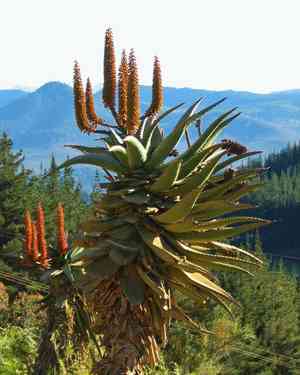
For the resilient bitter aloe, the ideal time for transplanting is at the onset of its growth resurgence, usually from early to mid-spring. Select a location that receives ample sunlight and drains effectively, and always handle its durable yet delicate roots with care.
Necessary Preparations Before Relocating Bitter Aloe?
Optimal Timing for Bitter Aloe Relocation?
The best time to move bitter aloe is at the start of spring, specifically early to mid-spring. This timing allows the plant to develop roots in mild conditions, aiding its recovery and promoting strong growth. Spring's gentle weather creates an ideal setting for bitter aloe to adjust to its new spot, making it a strategic moment for the transplant. By moving bitter aloe then, you ensure it gets the perfect mix of cooler nights and increasingly warm days, crucial for healthy post-transition development.
Required Spacing Between Bitter Aloe Plants?
When arranging bitter aloe, aim for a separation of roughly 3-4 feet (0.9-1.2 meters) between each specimen. This provides ample room for unrestricted growth and supports a robust root system. A simple method is to use a long stick for measurement.
Ideal Soil Blend for Bitter Aloe Transplanting?
To prepare the soil for bitter aloe, begin with a well-draining mix, as bitter aloe dislikes overly moist conditions. Then, incorporate some slow-release granular fertilizer as a base. Generally, a combination of sandy soil and a small amount of compost works best for bitter aloe.
Where to Replant Your Bitter Aloe?
When deciding where to move bitter aloe, select a location that receives abundant sunlight, as bitter aloe thrives in bright conditions. A South or West-facing spot is perfect. However, ensure the site isn't excessively exposed to harsh afternoon sun, which could lead to scorching.
Equipment Needed Before Transplanting Bitter Aloe?
Gardening gloves
These will safeguard your hands when handling soil and the plant.
Shovel or Spade
For digging the new planting hole and extracting the bitter aloe from its original spot.
Trowel
Used for more delicate excavation around the plant's root system.
Pruning Shears
To trim any damaged roots or leaves.
Watering Can & Water
Essential for moistening the soil before and after transplanting.
Wheelbarrow or Garden Cart
For moving the plant and soil.
How to Extract Bitter Aloe from the Soil?
How to Extract Bitter Aloe from the Soil?
From Ground: Begin by watering the bitter aloe plant to soften the surrounding soil. This will facilitate root extraction without causing harm. Using a shovel or spade, dig a wide trench around the plant's base, ensuring you don't cut through the root ball. Lift the plant from its base and carefully work the spade or shovel beneath it, then gently lift it up. From Pot: If the bitter aloe is currently in a container, water the plant first to moisten the soil. Then, tilt the pot on its side and gently pull out the plant, supporting the base and being careful with the roots. If the plant seems stuck, lightly tap the pot's sides to loosen the soil. From Seedling Tray: Due to the smaller size and delicate nature of seedlings, use a trowel or even a spoon to gently dig around and under the seedling. Be sure to keep as much soil with the roots as possible for transplanting with the seedling.
Step-by-Step Guide for Transplanting Bitter Aloe
Root Trimming
Use the shears to cut back any damaged or overly long roots. This will encourage new root growth.
Hole Preparation
Dig a hole in your chosen spot using the shovel, ensuring it's deep and wide enough to comfortably accommodate the bitter aloe's root ball.
Plant Placement
Position the plant in the hole, making sure the top of the root ball is level with the ground surface. Backfill the hole halfway with the excavated soil.
Water
Water the plant once the hole is half-filled. This will help settle the soil around the root ball.
Finish Planting
Continue backfilling the hole with the remaining soil and water generously.
Post-Transplant Care for Bitter Aloe?
Watering
Water the bitter aloe consistently during the initial weeks after transplanting, being careful not to overwater.
Pruning
Any damaged or diseased leaves should be removed after transplant to allow the plant more energy for root development.
Monitoring
Keep a close watch on your bitter aloe after the transplant. If leaves yellow or wilt, it could signal transplant shock â address issues promptly to ensure your plant's successful transition.
Troubleshooting Common Issues with Bitter Aloe Transplantation.
When is the optimal period to transplant the bitter aloe?
The perfect time to move your bitter aloe is during the 'S1-S2' period, giving it the best chance to establish.
What distance should be maintained between bitter aloe during transplantation?
For proper growth, bitter aloe should be planted with significant spacing, typically 3-4 feet (90-120 cm).
Does the bitter aloe need a specific kind of soil for transplantation?
The bitter aloe isn't overly particular about soil types but prefers well-draining soil to prevent root rot.
Should I use any special fertilizer when transplanting bitter aloe?
While bitter aloe appreciates light feeding, avoid excessive fertilization. A balanced slow-release fertilizer can be used during transplanting.
How deep should I plant the bitter aloe?
In the transplantation hole, the bitter aloe should be placed at the same depth as in its original location.
What amount of water does the bitter aloe require after being transplanted?
Bitter aloe thrives with infrequent watering. After transplantation, wait for the soil to completely dry out before watering again.
Can I transplant the bitter aloe in a container?
Absolutely! Ensure you use a pot at least 12 inches (30 cm) deep with adequate drainage holes.
How to ensure the bitter aloe doesn't get shocked during transplantation?
Avoid transplanting during extreme temperatures. Watering the bitter aloe a day prior can also reduce transplant shock.
Can I prune the bitter aloe after transplanting?
Pruning isn't necessary immediately after transplantation. Delay any pruning until the bitter aloe begins to establish itself.
What are the signs that the bitter aloe has been transplanted successfully?
The first indication of successful transplantation is new growth. This, along with healthy color, signifies a thriving bitter aloe.



