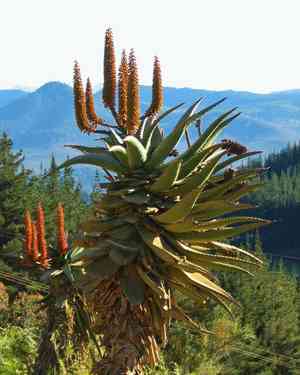
Bitter aloe (Aloe ferox)
Also known as: Red aloe, Ferocious aloe, South African aloe
Cape Aloe, or Aloe ferox, is a well-known medicinal plant in Southern Africa. Its striking orange flowers are also a magnet for birds in gardens.
In This Article
Attributes of Bitter aloe
Lifespan
Perennial
Plant Type
Succulent
Plant Height
3 m
Spread
75 cm
Leaf Color
Green Blue
Flower Size
2.5 cm to 5 cm
Flower Color
Orange Red
Images of Bitter aloe
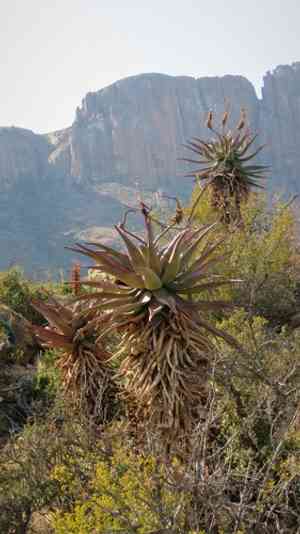
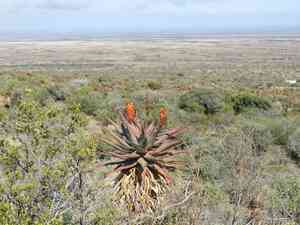
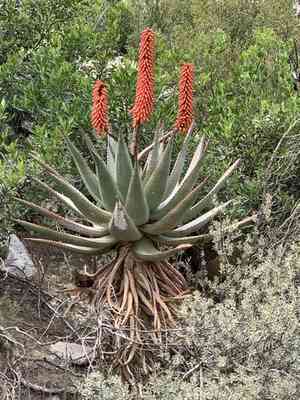
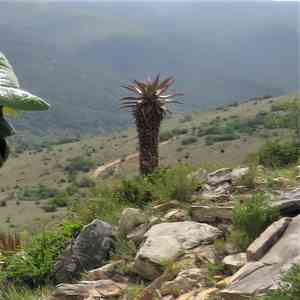
Quickly Identify Bitter aloe
1
Tall single stem reaching 6-9+ feet (1.8-2.7+ meters).
2
Rosette of blue-green leaves, 2-3 feet (60-90 cm) long with reddish spines along margins.
3
Distinctive 'petticoat' formed by desiccated older leaves around the stem.
4
Dark orange flowers with inner white petals on large branched inflorescence.
5
Thrives in full sunlight, tolerates very dry conditions with minimal to regular watering.
Scientific Classification of Bitter aloe
Phylum
Vascular plants
Class
Monocotyledons
Order
Asparagales
Family
Asphodel
Genus
Aloe
Species
Bitter aloe
Planting and Growing of Bitter aloe
Care Difficulty
Easy
Watering Schedule
Every day
Sunlight Requirements
Full sun
Sunshine Duration
6-10 hours
Ideal Temperature
60-75℉
Soil Type
Potting Mix, Peat Mix
Soil pH
6.5-7.5
Fertilizer Type
Balanced
Pruning Season
Spring, Summer
Pruning Area
Branches, Leaves
Pruning Frequency
2 times a year
Repotting Season
Spring
Pot Type
Plastic, Ceramic
 How to Water Bitter aloe?
Aloe ferox, also known as Cape Aloe, requires minimal watering due to its succulent nature. It is essential to let the soil dry out completely between waterings. When the top 2 inches of soil are dry, water the plant with approximately 300 ml of water, ensuring that it reaches the root zone without soaking the soil excessively.
What are the symptoms of an underwatered Bitter aloe?
›
What should I do if my Bitter aloe is not getting enough water?
›
What are the symptoms of an overwatered Bitter aloe?
›
How to save an overwatered Bitter aloe?
›
 What Are the Sunlight Requirements for Bitter aloe?
Aloe ferox ideally needs six to eight hours of sunlight daily, thriving in conditions that allow consistent full or partially filtered sun exposure. This facilitates optimal photosynthesis and helps sustain healthy foliage.
More About Sunlight Requirements Techniques→
What is the ideal location for Aloe ferox?
›
Why is light important for Aloe ferox?
›
How can I adjust light for growing Aloe ferox indoors?
›
 What Is the Ideal Temperature Range for Bitter aloe?
Aloe ferox thrives best in temperatures ranging from 60°F to 75°F. This range provides the warmth necessary for its growth while preventing stress from excessive heat. Maintaining these temperatures ensures that the plant utilizes water and nutrients efficiently, supporting healthy leaf growth and a robust structure.
 What Soil is Best for Bitter aloe?
Aloe ferox thrives in well-drained soil, which prevents root rot by allowing excess water to escape easily. This is crucial because the plant is drought-tolerant, and waterlogged conditions are detrimental. While Aloe ferox is not overly demanding when it comes to nutrients, a nutrient-rich medium supports optimal growth. Incorporating organic matter or a balanced fertilizer can provide essential nutrients for vibrant foliage. The plant prefers moderately dry soil and should be watered sparingly. This soil requirement mimics its natural arid environment, ensuring that it retains its robust and resilient qualities.
 How to Fertilize Bitter aloe?
For Aloe ferox, applying a balanced 10-10-10 liquid fertilizer at half strength every month during the growing season is ideal. Adjust quantity based on plant size, ensuring not to oversaturate the soil to prevent root damage.
 How to Prune Bitter aloe?
Before you start pruning Aloe ferox, ensure you have a sharp knife or pruning shears. Sanitizing the tools prevents the spread of diseases. Wear gloves to protect your hands from the plant's spiky edges, and have a container ready for disposing cut leaves. Begin by inspecting the plant for any dead, yellowing, or damaged leaves. These are the primary targets for pruning as removing them will redirect the plant’s energy to healthier leaves and new growth. Carefully cut the undesirable leaves close to the base of the plant. Aim for a clean cut to minimize damage. Be cautious not to cut into the stem, as this can harm the plant. Remove any flower stalks post-bloom to prevent seed formation.
 How to Propagate Bitter aloe plant?
1
Choose a healthy Aloe ferox plant with no signs of disease or pests. A strong parent plant will ensure better success in propagation, whether by seeds or cuttings.
2
Use a well-draining potting mix suitable for succulents. A mix of coarse sand and perlite or a commercial cactus mix works well. This provides the necessary drainage that Aloe ferox requires.
3
Use a sterile knife to take a cutting from a mature Aloe ferox plant. Make sure to select a healthy leaf without any blemishes. Allow the cutting to dry for a few days before planting to heal and callus over the wound.
 How to Repot Bitter aloe plant?
1
Aloe ferox needs repotting when its roots outgrow the current pot or the plant becomes top-heavy. Early spring or summer is the ideal time to repot, as this coincides with the plant's growth periods, allowing it to recover swiftly.
2
Select a pot with drainage holes to prevent waterlogging, which can lead to root rot. The pot should be slightly larger than the current one to give roots space to grow, but not too large as to retain excess moisture. Clay pots are preferable as they allow for better evaporation of water.
3
Opt for a well-draining, gritty cactus mix to mimic the plant's natural habitat and prevent root rot. Adding perlite or sand can improve aeration and ensure excess water drains away efficiently.
Toxicity
Ingestion
WARNING
The judgment on toxicity and danger is for reference only. We DO NOT GUARANTEE any accuracy of such judgment. Therefore, you SHALL NOT rely on such judgment. It is IMPORTANT TO SEEK PROFESSIONAL ADVICE in advance when necessary.



