How Much Sunlight Do Bitter aloe Need?
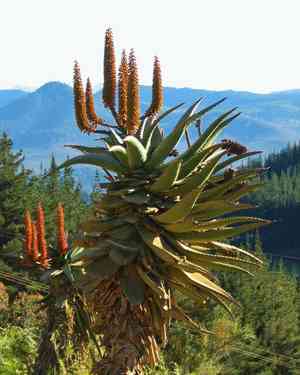
1
Bitter aloe flourishes in locations receiving a minimum of 6 hours of direct sun daily.
2
Positioning Bitter aloe near south or southwest-facing indoor windows can provide adequate illumination.
3
During summer, modify your Bitter aloe's placement to prevent scorching, particularly during the strongest sunlight.
The Importance of Sunlight for Bitter Aloe
Photosynthesis and Development
For Bitter aloe, solar energy is crucial for photosynthesis, the process converting light into the energy required for plant growth. Without adequate illumination, the plant's photosynthetic activity diminishes, impeding its overall development and vitality. Optimal light conditions foster robust, thick leaves and a strong overall appearance in Bitter aloe.
Vitamin D and Nutrient Uptake
Sunlight aids in the creation of Vitamin D, which is essential for the absorption of vital nutrients in Bitter aloe. Proper sun exposure ensures the plant can efficiently take up nutrients like phosphorus and nitrogen from the soil, playing a key role in maintaining its vigor.
Bitter Aloe's Sunlight Requirements
Direct vs. Indirect Illumination
Bitter aloe thrives best with direct sunlight, meaning it flourishes in a spot where it receives unfiltered solar rays. While it can endure partial sun, where it gets light from an indirect source or some shading, full sun exposure, which means over 6 hours of daily sunlight, is ideal for peak growth.
Optimal Daily Sun Exposure
Ensuring your Bitter aloe receives at least 6 to 8 hours of direct sunlight daily is optimal. The plant can manage with slightly less, but anything under 4 hours may result in slower growth and weaker foliage. In areas with intense sun, morning light followed by afternoon shade can prevent potential scorching.
Prime Locations for Sun Exposure
Indoors: Best Window Placements
Inside homes, the ideal spot for Bitter aloe is near south or southwest-facing windows. These windows receive the most consistent sunlight throughout the day. Position the plant close enough to the window to benefit but not so near that it experiences extreme temperature shifts.
Outdoors: Perfect Garden Spots
When planting Bitter aloe outside, select a garden area that gets full sun for most of the day. A location with some afternoon shade can shield your plant from the most intense sun rays. Ensure good air circulation and well-draining soil to prevent any potential issues.
Identifying Sunlight Deficiency in Bitter Aloe
Signs of Insufficient Light
If your Bitter aloe isn't getting enough light, you might observe the leaves becoming soft and elongated as the plant stretches towards the light. The color may also fade, and growth can become sparse. These indicators all suggest your plant is not receiving its necessary amount of sunlight.
Remedial Actions
To correct light deficiency, gradually move your Bitter aloe to a brighter location. For indoor plants, start by placing them closer to a light source and ensure they get over 6 hours of good light exposure. Outdoors, reposition your plant to a sunnier spot, and consider trimming overhanging branches that might be blocking sunlight.
Protecting Bitter Aloe from Excessive Sun
Recognizing Sunburn in Bitter Aloe
Although Bitter aloe loves sunlight, too much can lead to sunburn. Signs of sunburn on your plant include brown or white patches on the leaves. These patches indicate cell damage from excessive sunlight, often occurring during the peak hours of a scorching day.
Preventative Strategies
To prevent sunburn, avoid exposing your Bitter aloe to intense midday sun, especially in summer. If your region experiences very hot summers, provide some light shade using a sheer curtain, or move the plant to a location where it will receive morning sun and afternoon shade. Gradually acclimate your plant to outdoor sun if it has been growing indoors.
Seasonal Sunlight Changes
Summer Sunlight Requirements
In the summer, the extended daylight hours can be both an advantage and a risk. Ensure your Bitter aloe gets ample morning light but shield it from the more intense afternoon sun to prevent overheating and sunburn.
Winter Sunlight Requirements
During winter, sunlight intensity decreases, and days are shorter. Ensure your Bitter aloe still receives adequate light by placing it in the brightest available spot. If your indoor lighting is insufficient, consider using grow lights to supplement the lack of natural sunlight, ensuring your plant remains healthy through the darker months.



